Bedford-Stuyvesant
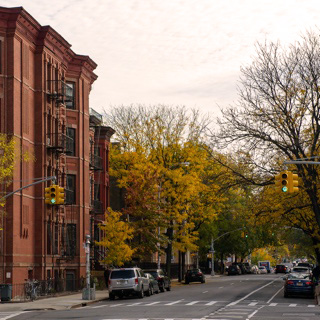
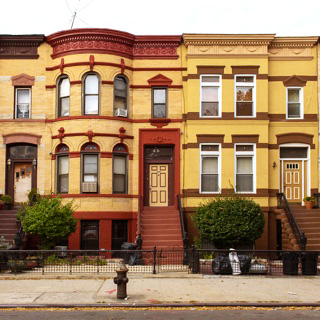
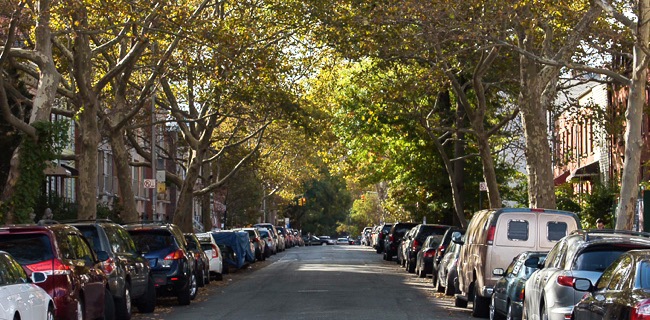
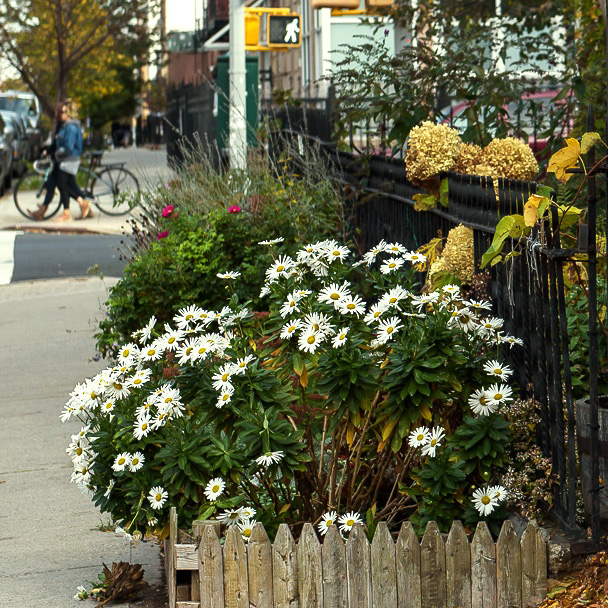
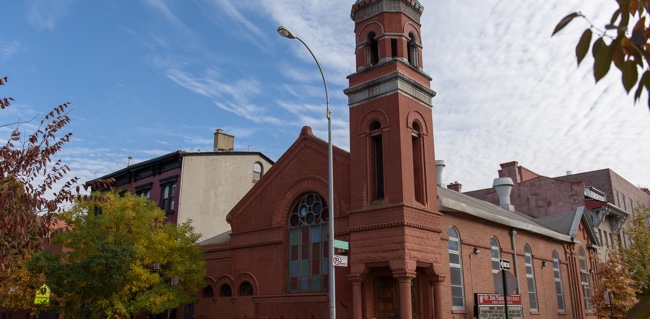
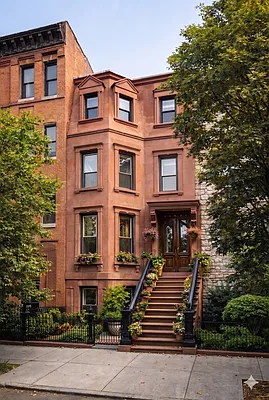
Home to elegant brownstones and a longstanding residential community, Bed-Stuy is a neighborhood rich in culture, pride, and history.





Prices shown are base rent only and don't include any fees. Visit each listing to see a complete cost breakdown.
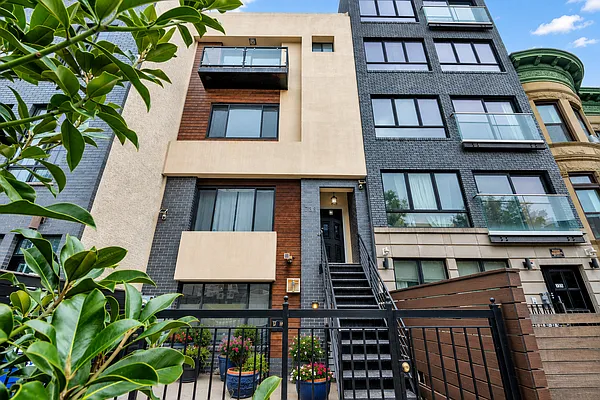
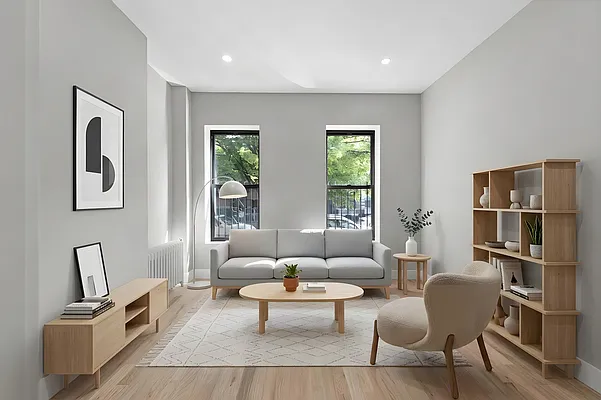
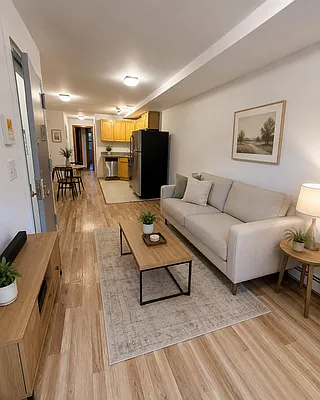
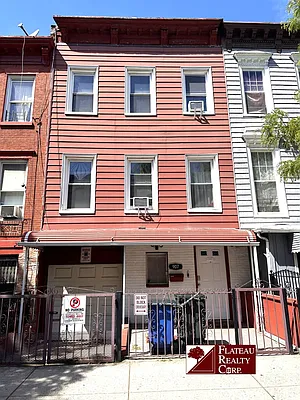
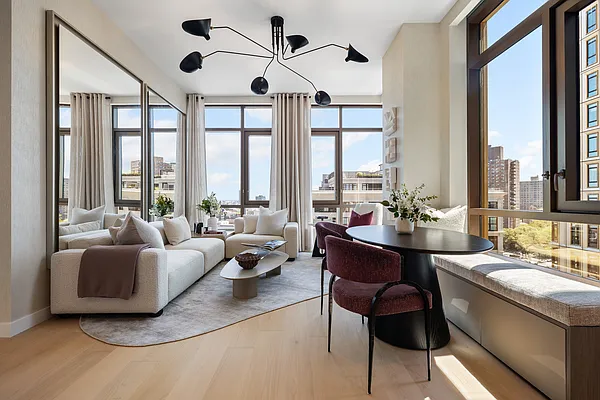
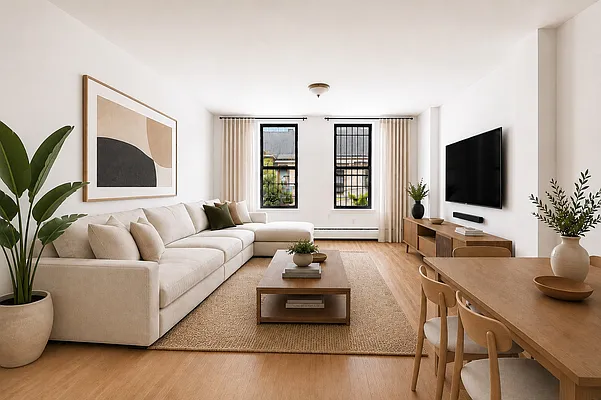
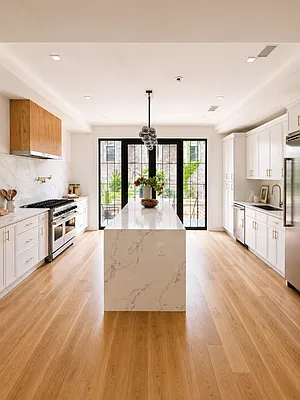
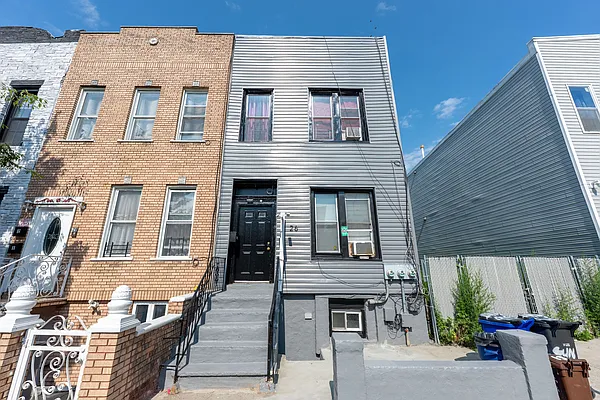
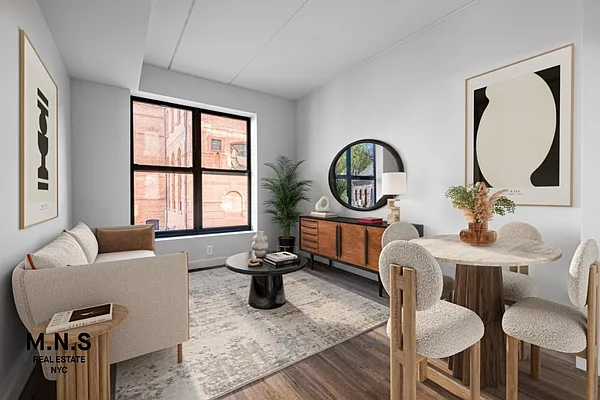
Rental in Bedford-Stuyvesant
788 Willoughby Avenue #C34
$3,575
base rent Base rent doesn't include any fees. Visit listing for breakdown of costs and fees.
1 Bed
1 Bath
--- ft2
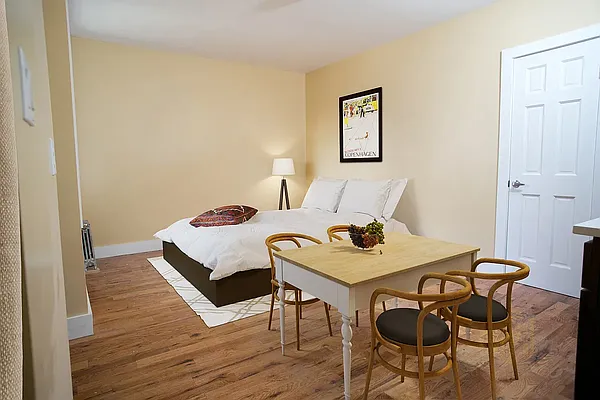
Rental in Bedford-Stuyvesant
653 Hancock Street #2
$2,125
base rent Base rent doesn't include any fees. Visit listing for breakdown of costs and fees.
Studio
0 Bath
--- ft2
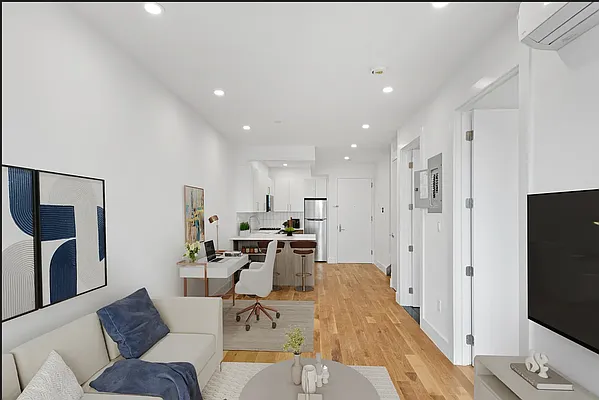
Rental in Bedford-Stuyvesant
2120 Fulton Street #3R
$2,700
base rent Base rent doesn't include any fees. Visit listing for breakdown of costs and fees.
1 Bed
1 Bath
--- ft2
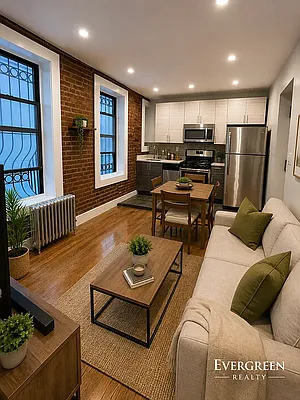
Rental in Bedford-Stuyvesant
924 Myrtle Avenue #1
$2,890
base rent Base rent doesn't include any fees. Visit listing for breakdown of costs and fees.
2 Bed
2 Bath
--- ft2
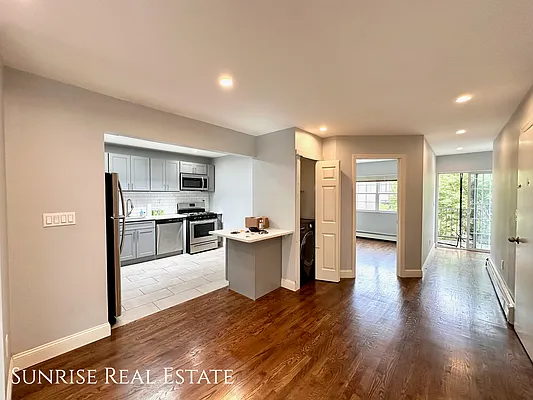
Rental in Bedford-Stuyvesant
176 Madison Street #3
$5,000
base rent Base rent doesn't include any fees. Visit listing for breakdown of costs and fees.
3 Bed
3 Bath
--- ft2
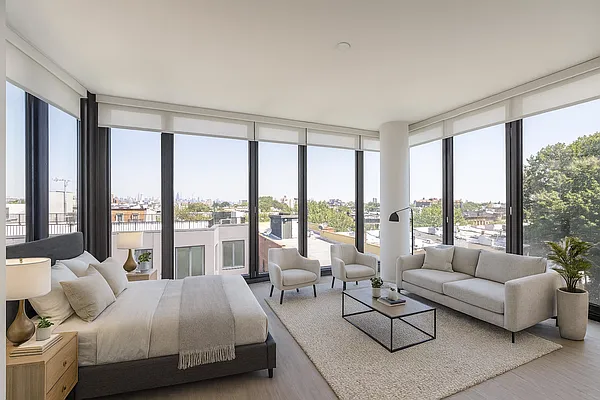
Rental in Bedford-Stuyvesant
12 Halsey Street #PH116
$3,250
base rent Base rent doesn't include any fees. Visit listing for breakdown of costs and fees.
Studio
0 Bath
--- ft2
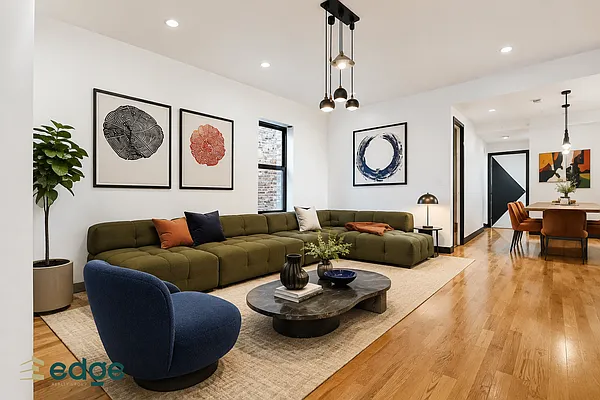
Rental in Bedford-Stuyvesant
378 Lewis Avenue #6
$5,800
base rent Base rent doesn't include any fees. Visit listing for breakdown of costs and fees.
5 Bed
5 Bath
--- ft2
Rental in Bedford-Stuyvesant
788 Willoughby Avenue #303
$3,250
base rent Base rent doesn't include any fees. Visit listing for breakdown of costs and fees.
1 Bed
1 Bath
--- ft2
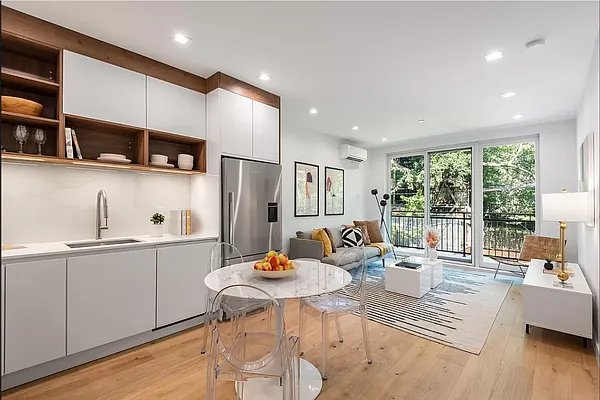
Rental in Bedford-Stuyvesant
197 Quincy Street #2A
$3,650
base rent Base rent doesn't include any fees. Visit listing for breakdown of costs and fees.
1 Bed
1 Bath
584 ft2