Hell's Kitchen
Close to the exciting theatrical offerings on Broadway and brimming with restaurants for every taste and budget, Hell’s Kitchen is an energetic hub whose rich history proves the neighborhood has staying power.

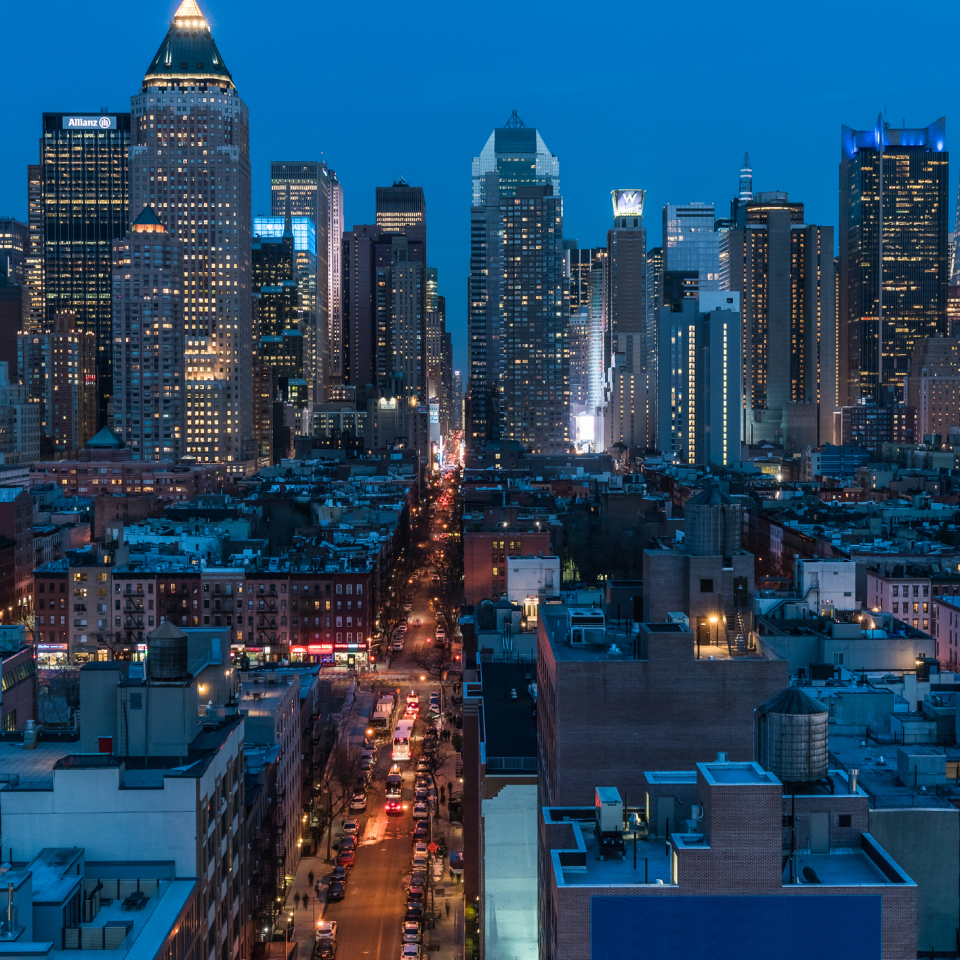
Lively, fun, and full of waterfront space, Hell’s Kitchen is a section of Midtown West between the buzz of Broadway and the Hudson River. In recent years, it’s become a foodie destination serving up everything from Korean to Argentinian flavors. But don’t make the mistake of thinking it’s just a pre-show dining destination: Hell’s Kitchen is an eclectic neighborhood that breathes everlasting energy into the city that never sleeps.
The Mood
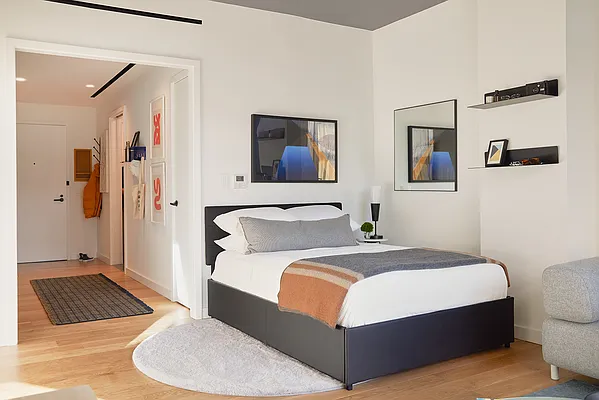
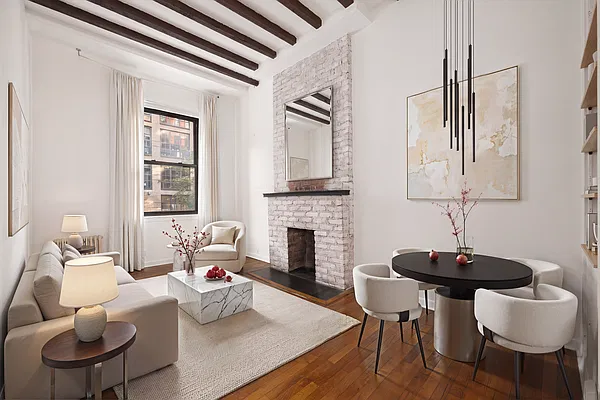
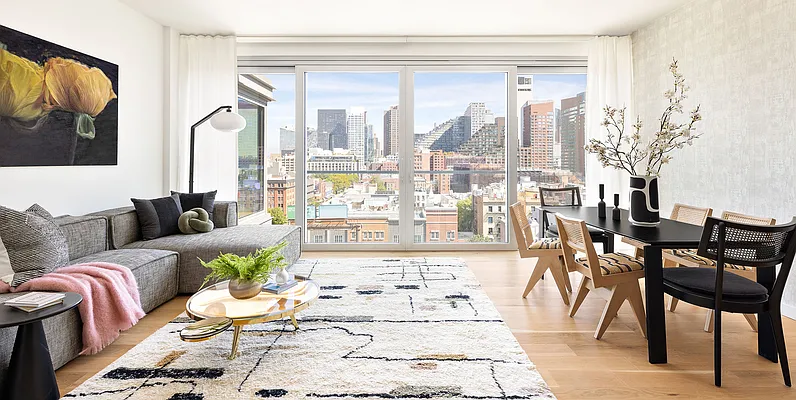
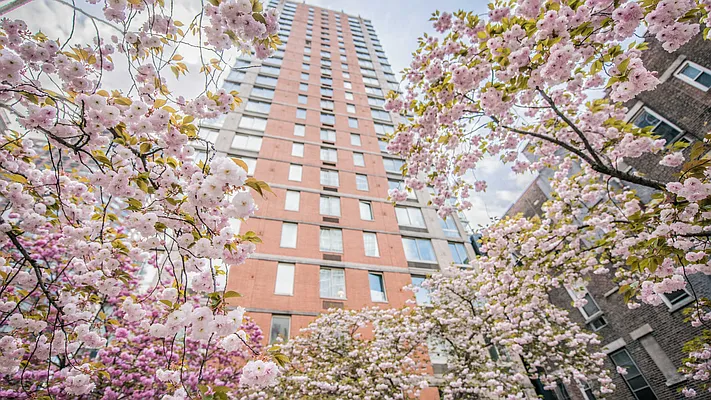
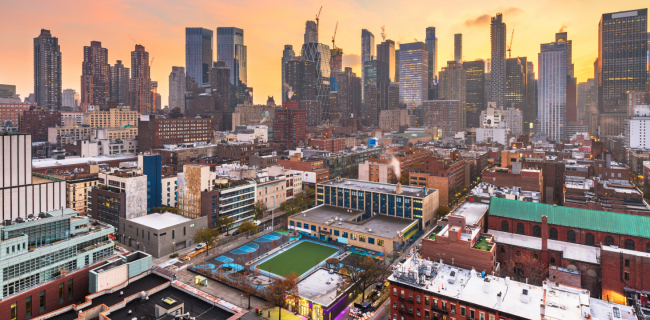
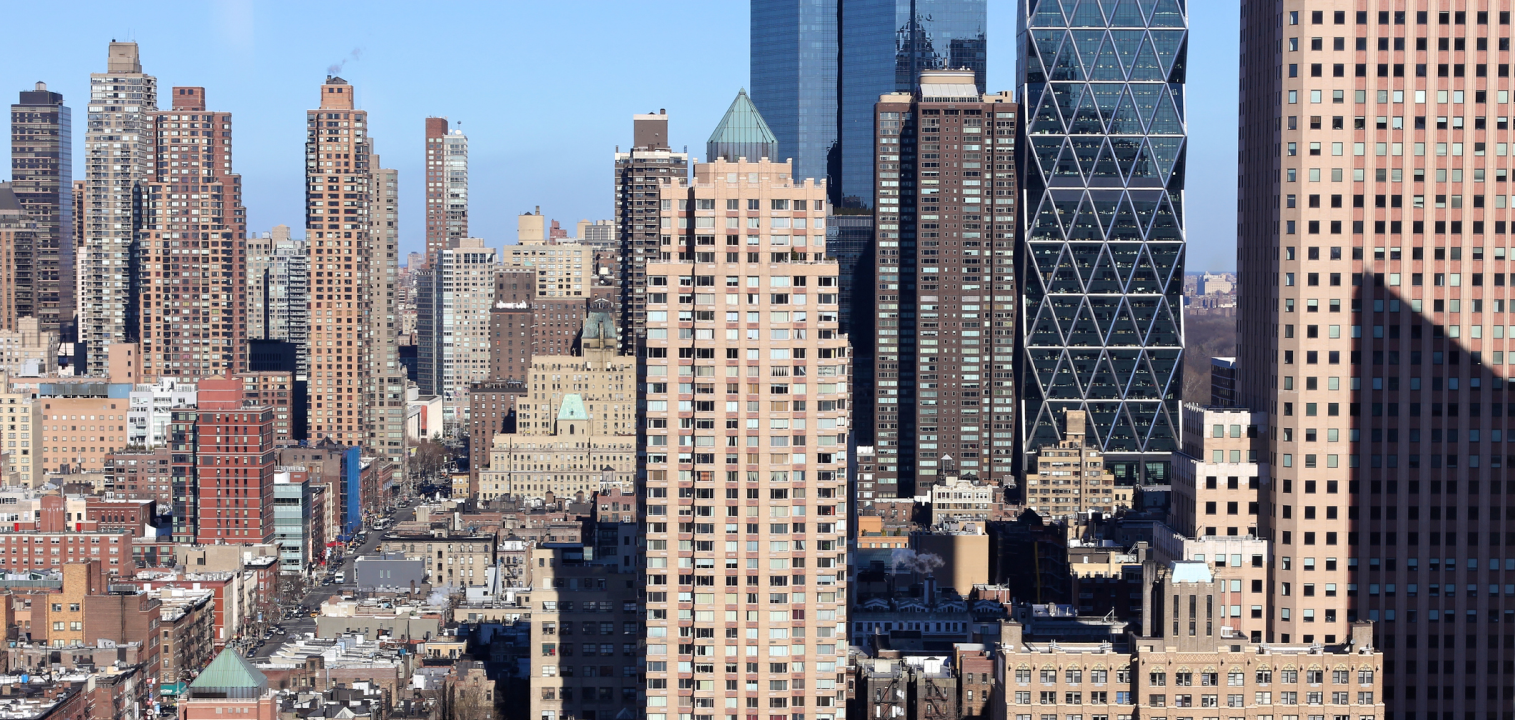
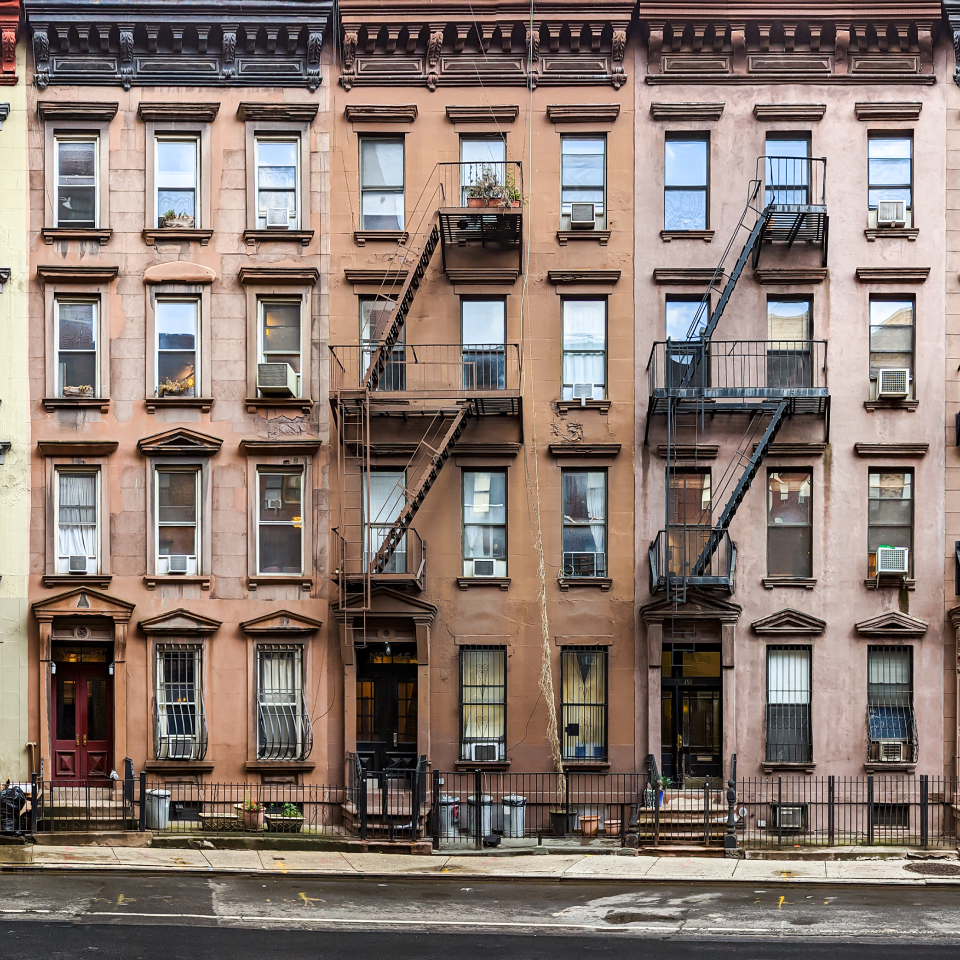
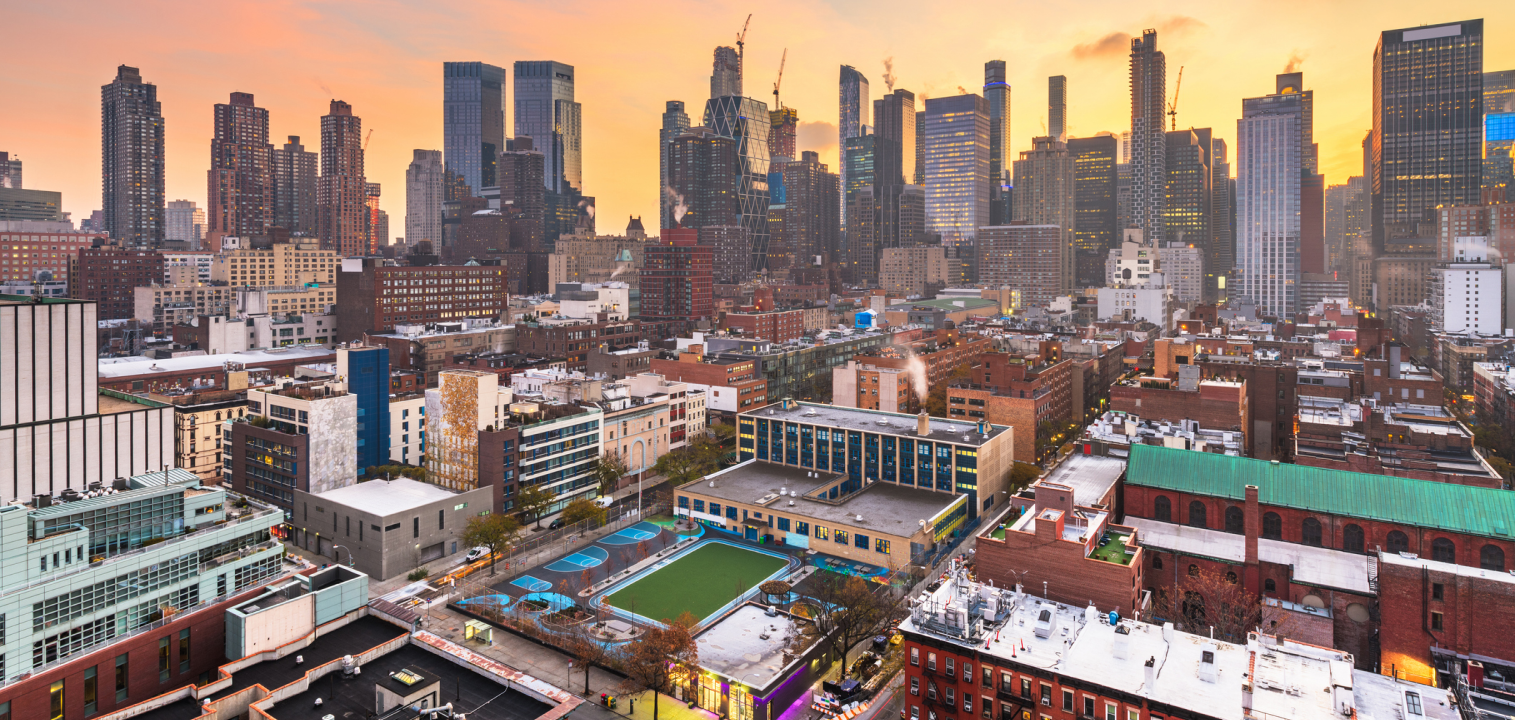
Charming, prewar brick walk-ups are nestled between newer, sleek luxury skyscrapers, proving that in Hell’s Kitchen there’s truly something for everyone.
Heart of the Neighborhood
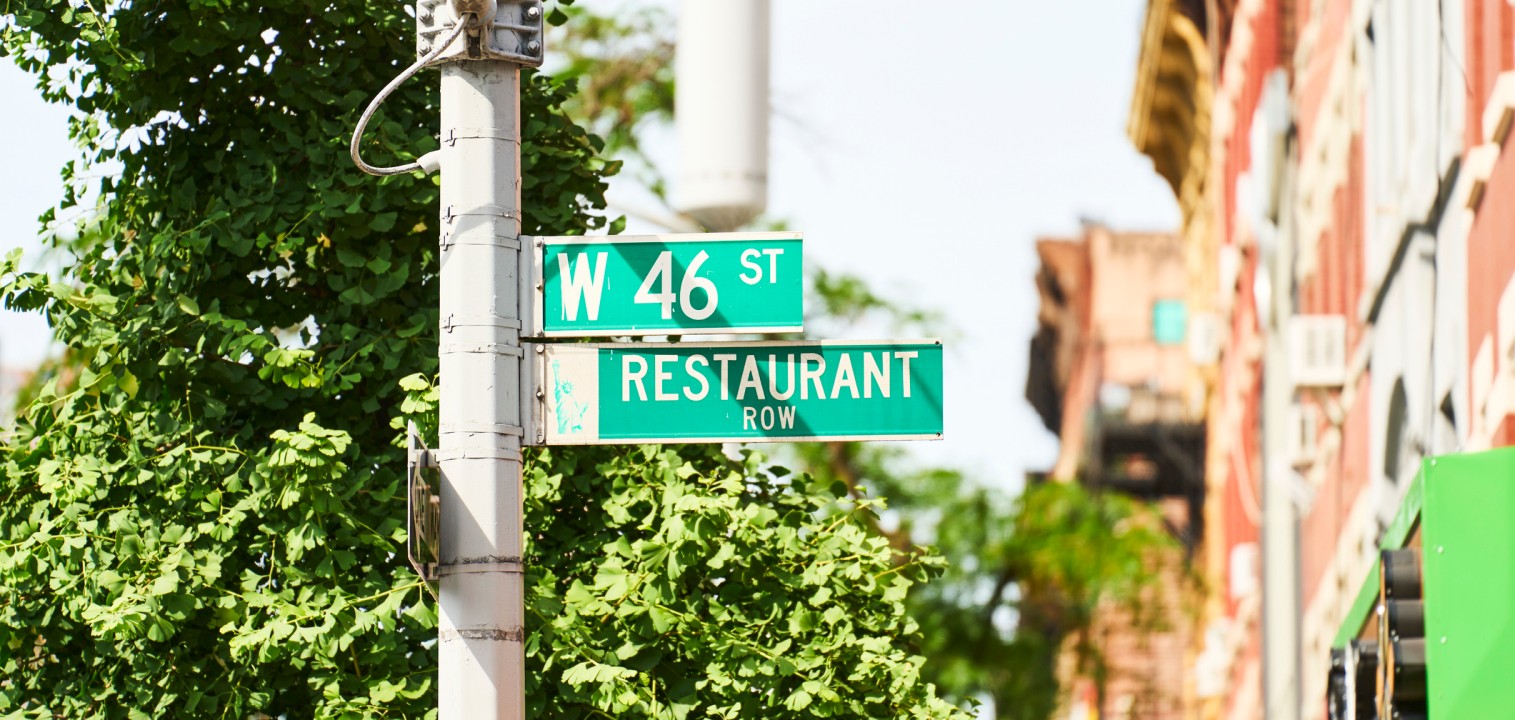
You could spend hundreds of hours sampling delicious food from acclaimed eateries along “Restaurant Row”: West 46th Street between 8th and 9th Avenue.
Neighborhood Quirk
The neighborhood’s distinctive name dates back to the mid-1800s. Its exact origin is disputed, but many tie it to the area’s once-gritty living conditions in the 19th century. Official sources may refer to it as “Clinton,” but calling it Hell’s Kitchen has stuck among locals — a coincidental nod to the nabe's restaurant scene.
Best Perk
Hell’s Kitchen is just blocks away from the Theater District, making it extra easy to get in line for same-day Broadway tickets.
Biggest Downside
Though numerous train lines stop on the eastern edge of the neighborhood, west of 8th Avenue is a bit of a subway desert.
Prices shown are base rent only and don't include any fees. Visit each listing to see a complete cost breakdown.
The Mood
Charming, prewar brick walk-ups are nestled between newer, sleek luxury skyscrapers, proving that in Hell’s Kitchen there’s truly something for everyone.
Heart of the Neighborhood
You could spend hundreds of hours sampling delicious food from acclaimed eateries along “Restaurant Row”: West 46th Street between 8th and 9th Avenue.
Neighborhood Quirk
The neighborhood’s distinctive name dates back to the mid-1800s. Its exact origin is disputed, but many tie it to the area’s once-gritty living conditions in the 19th century. Official sources may refer to it as “Clinton,” but calling it Hell’s Kitchen has stuck among locals — a coincidental nod to the nabe's restaurant scene.
Best Perk
Hell’s Kitchen is just blocks away from the Theater District, making it extra easy to get in line for same-day Broadway tickets.
Biggest Downside
Though numerous train lines stop on the eastern edge of the neighborhood, west of 8th Avenue is a bit of a subway desert.
Buyers can find relatively affordable homes in Hell’s Kitchen, with a median asking price of $1.05M in 2025 — over 20% less than the Manhattan median of $1.35M. At $4,440, the median asking rent in Hell’s Kitchen was about the same as the borough median ($4,445) in 2025.
A single block of West 46th Street between 8th and 9th Avenue is known as Restaurant Row, where you’ll find staggeringly diverse cuisines and concepts from independently-owned eateries.
A major nightlife destination, Hell’s Kitchen has dozens of bars packed into its modest perimeter.
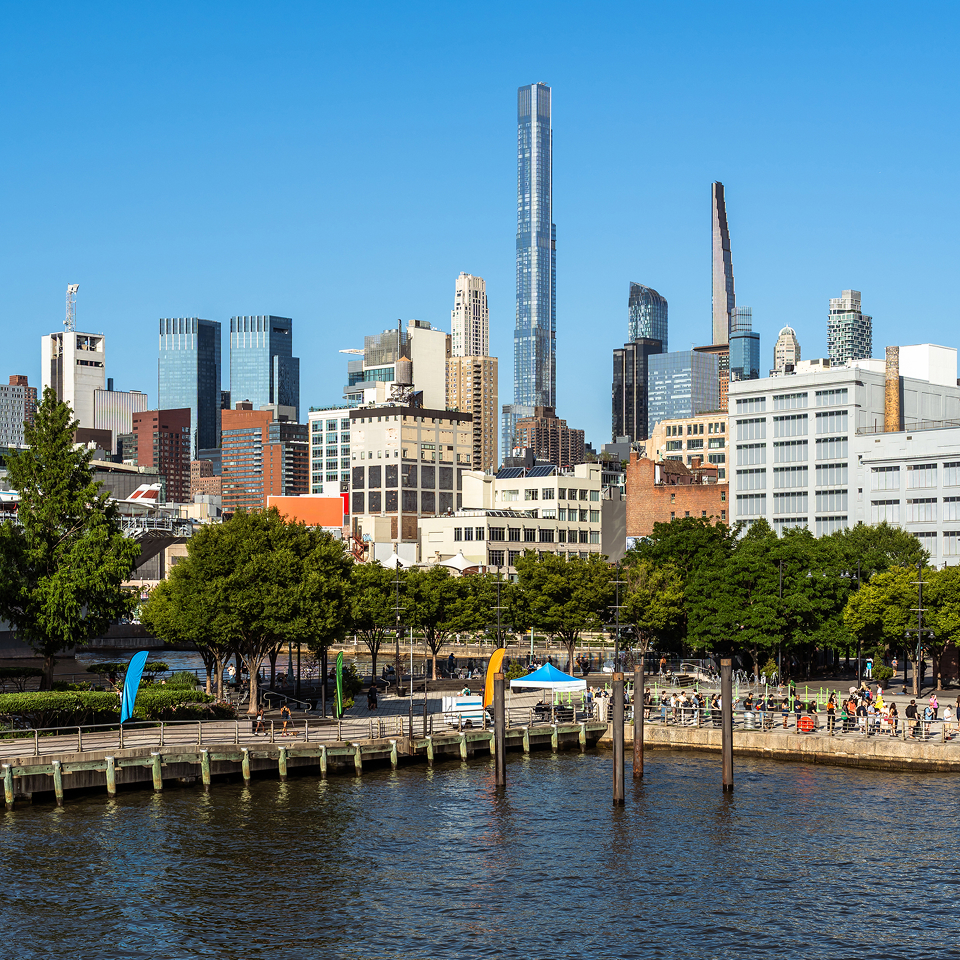
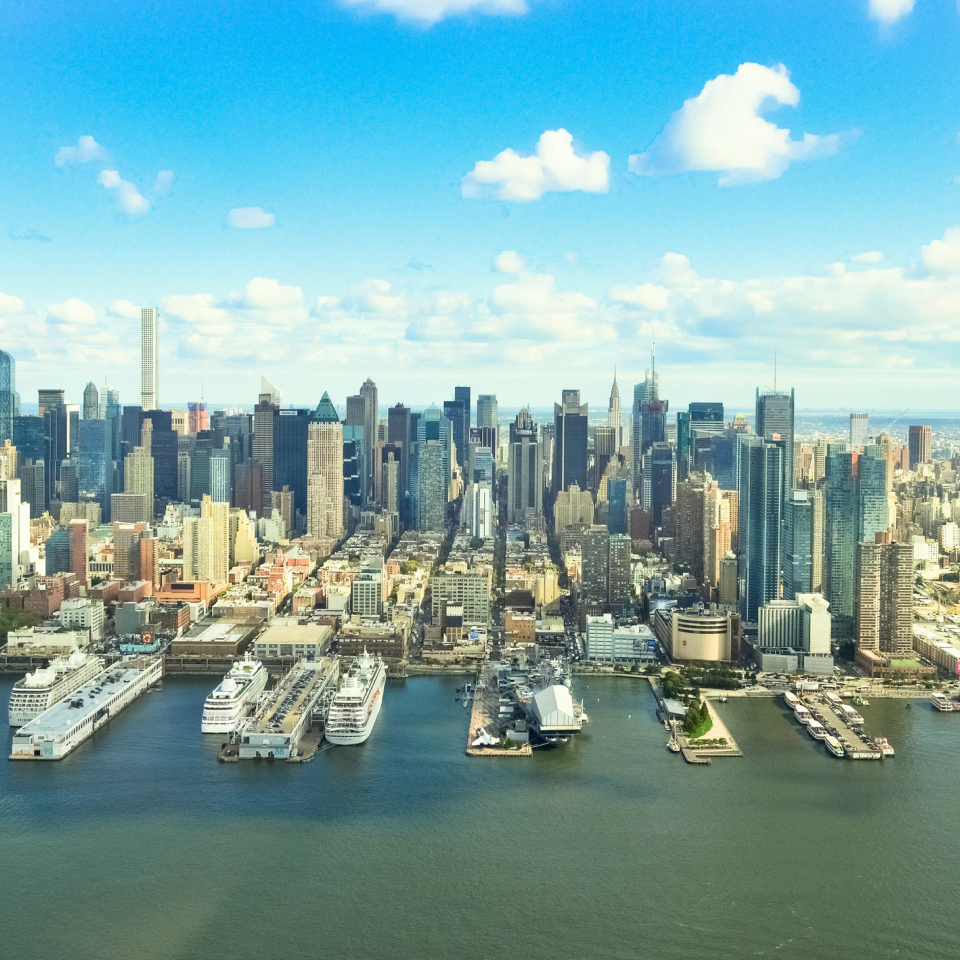
Lining the neighborhood’s stretch of the Hudson River are Piers 81 through 97, many of which are accessible to the public as parks, recreation spaces, or sightseeing cruise terminals.
Climb aboard the USS Intrepid, a WWII–era aircraft carrier, and see the space shuttle Enterprise at the Intrepid Museum.
In 1973, then-NYC Mayor John Lindsay designated West 46th Street between 8th and 9th Avenue as “Restaurant Row,” honoring the culinary significance of the area. Restaurant Row is still highly relevant today, serving up dishes that can’t be missed. On 9th Avenue, international flavors dominate, while a smorgasbord of casual food trucks populate 10th Avenue. Hell’s Kitchen keeps the party going after dinner, too, with scores of pubs, cocktail lounges, and LGBTQ+ bars to choose from.