Nolita
Tucked between SoHo and Little Italy, this small Manhattan enclave offers a softer approach to downtown living. Equal parts stylish and intimate, boutique stores and cozy coffee shops line the streets and create a slower, calmer, but still effortlessly cool atmosphere. There’s plenty of history here, too, including storied prewar buildings and beautiful cobblestone streets set along tree-lined blocks.

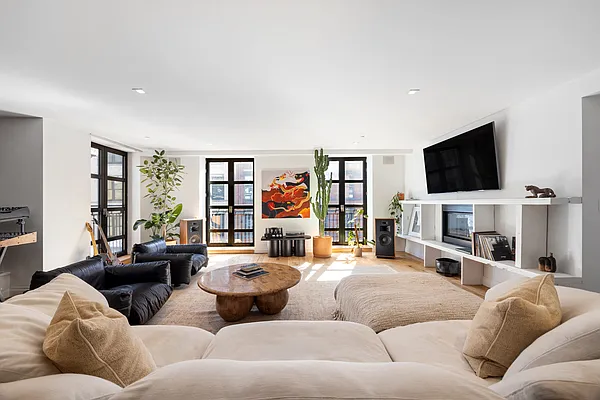
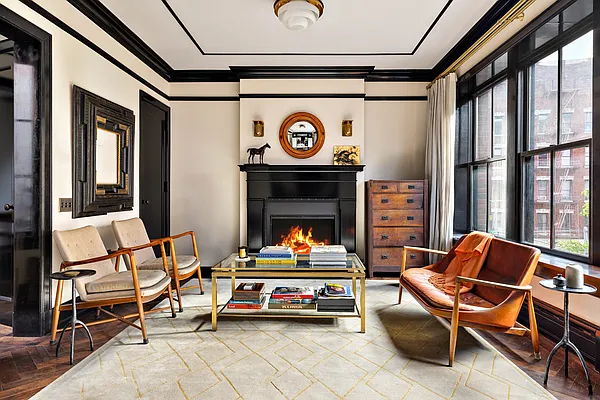
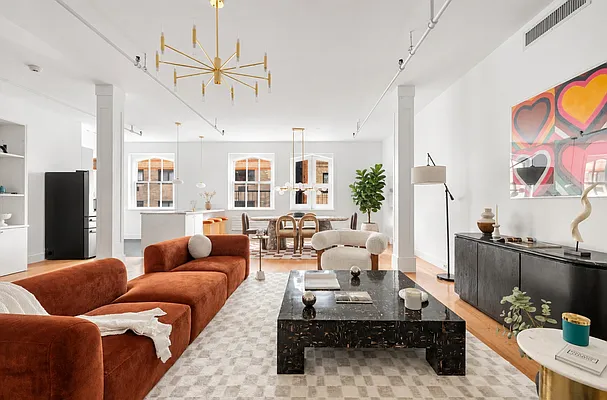
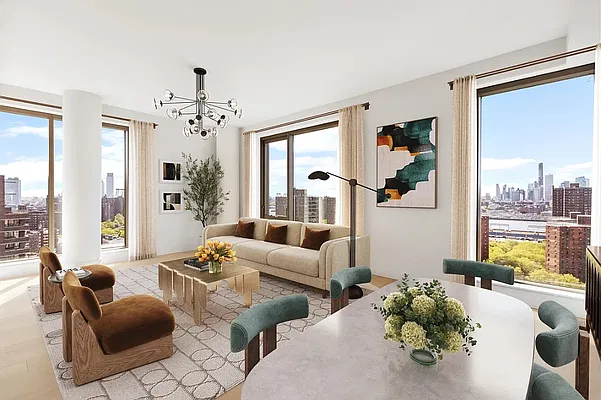
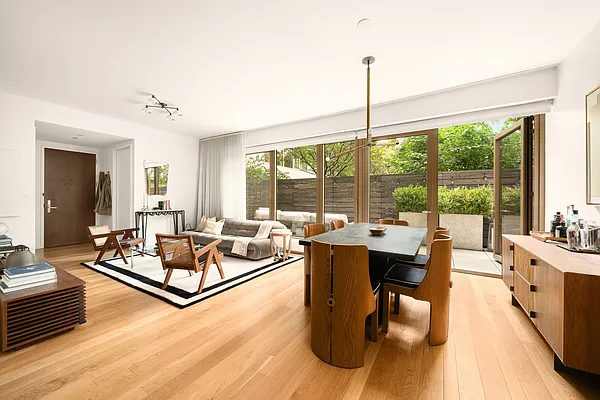
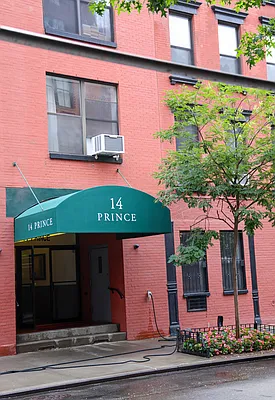
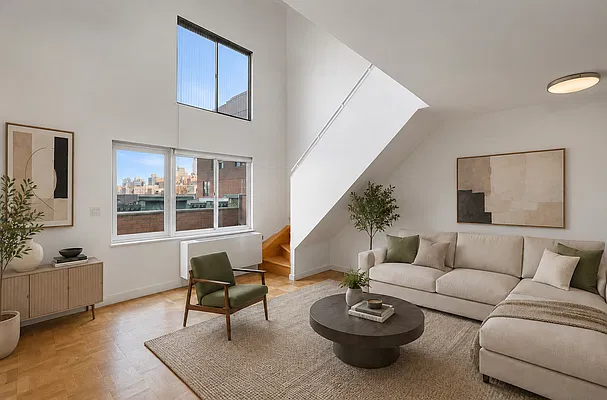
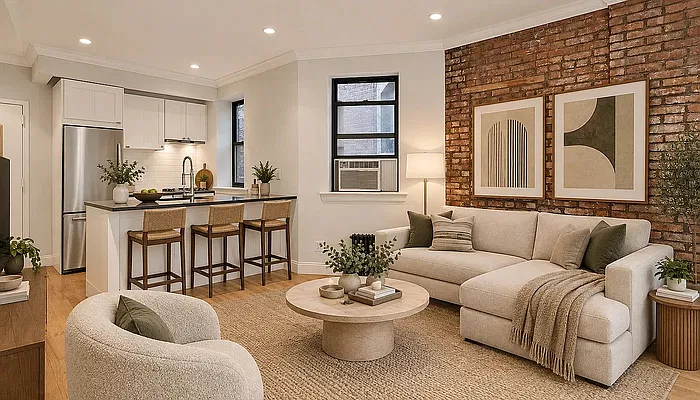
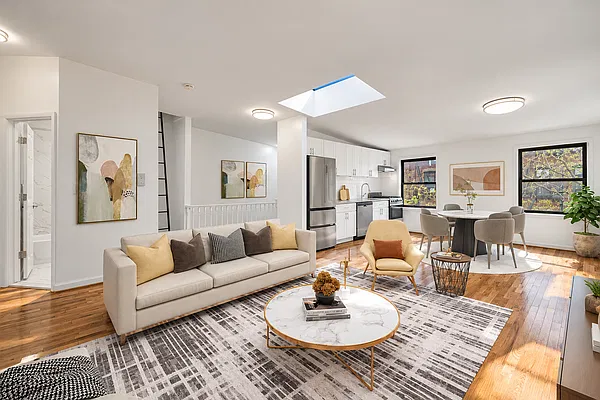
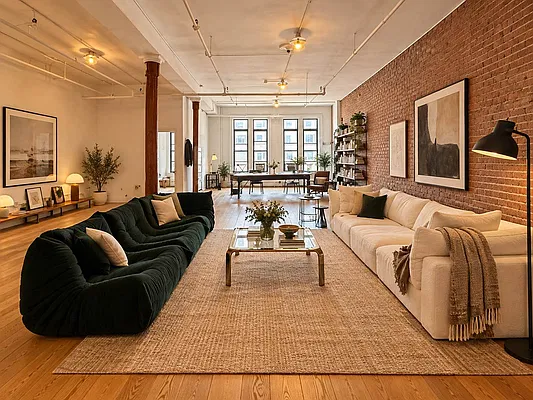
Nolita might be small in size, but it’s big on charm. The neighborhood sits near the intersection of SoHo, Little Italy, and the Lower East Side and is generally more relaxed than its neighbors, though it can get quite buzzy on weekends and during evening hours. That said, the vibe in Nolita is distinct from SoHo, with an energy centered around boutique shopping, sidewalk cafes, and intimate dining. Elizabeth Street and its serene yet lively energy is the neighborhood’s crown jewel, along with the Elizabeth Street Garden — the community’s quaint, beloved green space. Other popular thoroughfares include Mott Street, Mulberry Street, and Prince Street. Nolita’s housing stock is populated with mostly prewar buildings, renovated tenements, and lofts, as well as some newer condominiums and high-end developments.
The Mood
Nolita meets at the intersection of artsy, picturesque, trendy, and uniquely charismatic. Think European cafe culture meets Manhattan.
Heart of the Neighborhood
Mott Street, one of the neighborhood’s main corridors, is your go-to for cute cafes, trendy restaurants, and a variety of independent shops. It’s also home to the St. Patrick’s Old Cathedral, a historic landmark dating back to the early 1800s.
Neighborhood Quirk
"Nolita" (or NoLIta) is a portmanteau of North of Little Italy — a nod to the neighborhood's location.
Best Perk
Though small, Nolita is packed with everything from high fashion stores to the best bakeries and coffee shops, all while maintaining a small-town neighborhood feel.
Biggest Downside
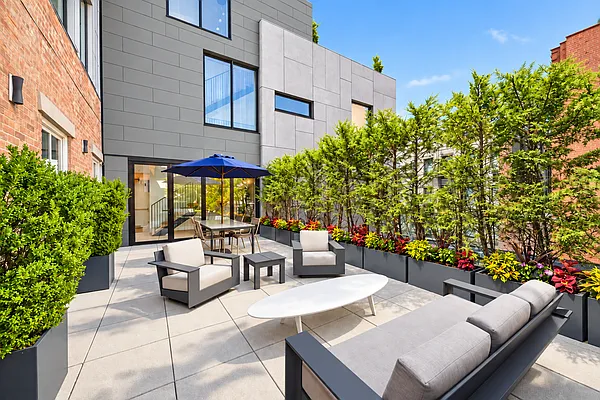
Nolita’s real estate is pricey, and apartments tend to be on the smaller side.
Prices shown are base rent only and don't include any fees. Visit each listing to see a complete cost breakdown.
The Mood
Nolita meets at the intersection of artsy, picturesque, trendy, and uniquely charismatic. Think European cafe culture meets Manhattan.
Heart of the Neighborhood
Mott Street, one of the neighborhood’s main corridors, is your go-to for cute cafes, trendy restaurants, and a variety of independent shops. It’s also home to the St. Patrick’s Old Cathedral, a historic landmark dating back to the early 1800s.
Neighborhood Quirk
"Nolita" (or NoLIta) is a portmanteau of North of Little Italy — a nod to the neighborhood's location.
Best Perk
Though small, Nolita is packed with everything from high fashion stores to the best bakeries and coffee shops, all while maintaining a small-town neighborhood feel.
Biggest Downside
Nolita’s real estate is pricey, and apartments tend to be on the smaller side.
Housing for sale in Nolita is limited in inventory and very expensive, with a median asking price of $2.925M in 2025 — more than twice the Manhattan median of $1.35M. Renters in Nolita can expect prices to be 10-15% higher than average, with a median asking rent of $4,995 in 2025 compared to the borough median of $4,445.
A portmanteau of North of Little Italy, “Nolita” was coined in the 1990s after the nabe broke off from Little Italy and became its own ‘hood.
Many streets still retain traces of Little Italy, creating a unique blend of old-school Italian establishments and modern luxury boutiques.
Kidfly182, CC BY-SA 4.0, via Wikimedia Commons
The Elizabeth Street Garden is a symbol of Nolita’s community feel and ongoing preservation efforts.
The charming streetscape, outdoor dining, and cafe culture make the neighborhood excellent for people-watching while soaking up the historic architecture.
Andre Carrotflower, CC BY-SA 4.0, via Wikimedia Commons
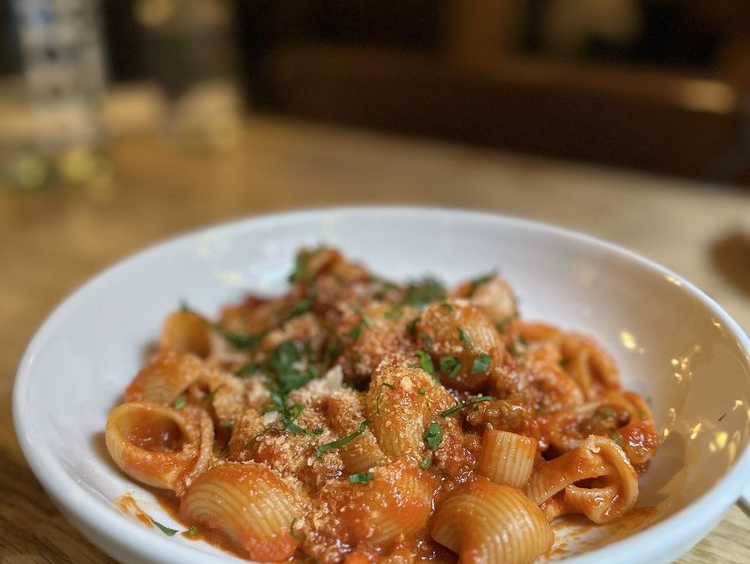
Nolita is home to restaurants with old-world charm, outdoor dining, trendy hotspots, cozy wine bars, and several spots to grab a cocktail.