Tribeca
Tribeca is the epitome of downtown cool, a slice of urban jungle that’s as hip as SoHo, but without the tourists and the congestion.

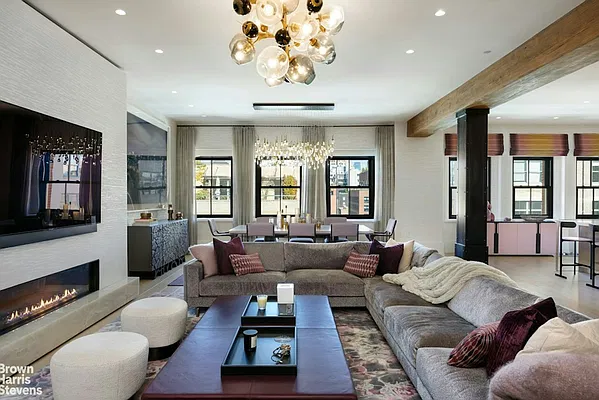
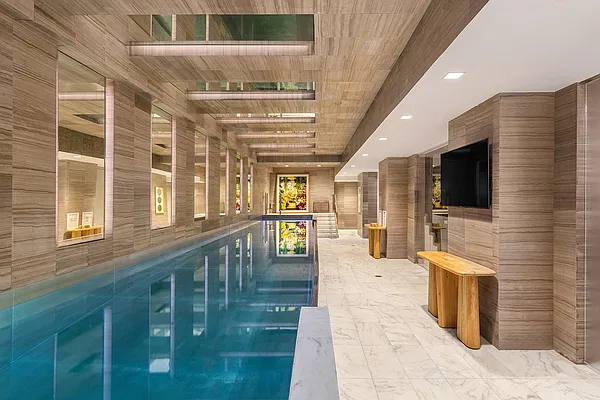
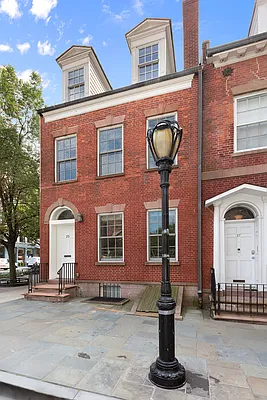
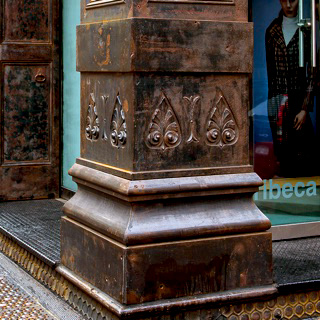
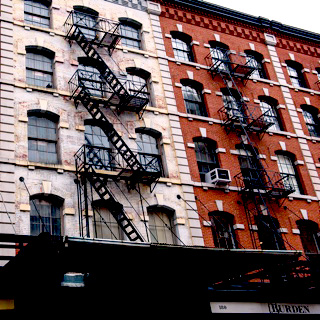
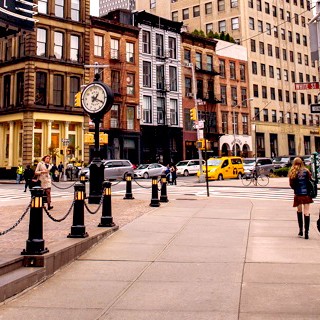
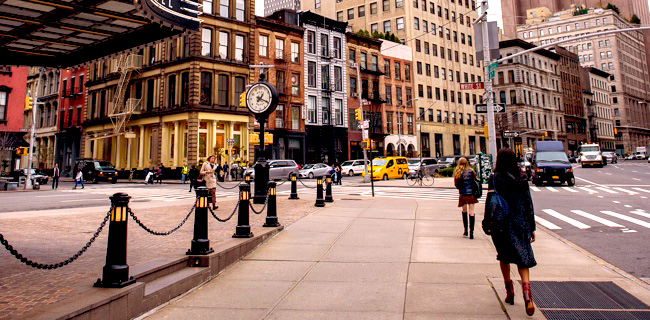
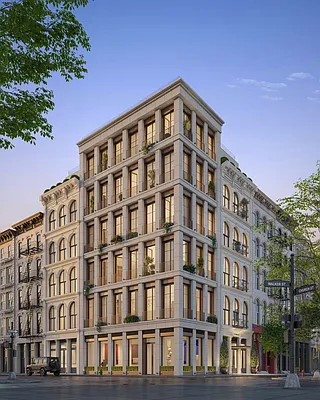
Tribeca brings upscale to downtown, combining high-end real estate and some of the most striking architecture in the city. Wide cobblestone streets wind past glorious old cast-iron lofts and dramatic new buildings, creating a streetscape that feels both historic and decidedly contemporary. Decades ago, those lofts sat largely vacant or housed artists’ studios. Over time, the neighborhood has transformed into one of NYC’s most coveted places to live — without losing the character it’s beloved for. Nightlife here remains busy but refined, with a restaurant and bar scene that leans cosmopolitan and unhurried.
The Mood
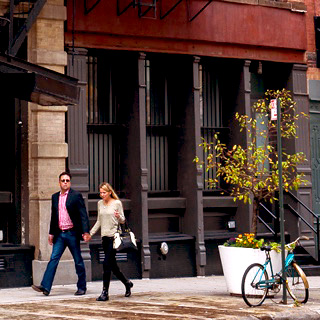
Upscale restaurants and boutiques make up Tribeca’s chic commercial center, while quiet cobblestone streets and impressive loft buildings lend the area an air of tranquility.
Heart of the Neighborhood
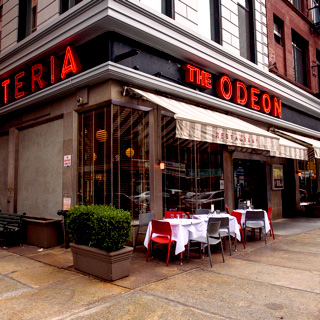
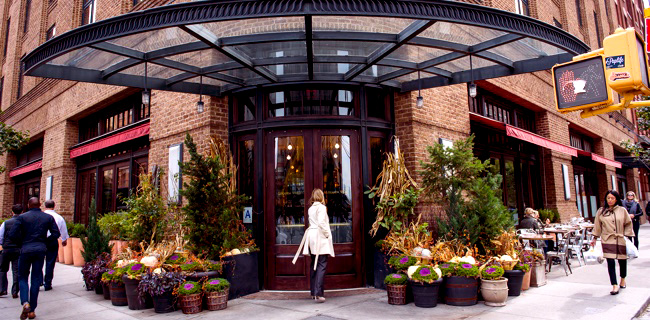
The Odeon, a brassiere and retro haven for artists and locals alike, has been open since the 1980s and epitomizes Tribeca's insider allure.
Neighborhood Quirk
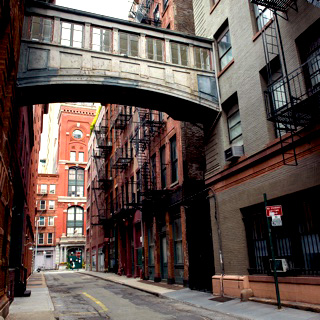
A cast-iron footbridge spans Staples Street, a teeny alley off Duane Park, and connects a building on Hudson Street to a townhouse on Jay Street.
Best Perk
You cannot ask for a more central Downtown Manhattan neighborhood, or for better subway access.
Biggest Downside
Real estate in Tribeca is extremely expensive, and the neighborhood can have a rarefied, snooty feel at times.
Prices shown are base rent only and don't include any fees. Visit each listing to see a complete cost breakdown.
The Mood
Upscale restaurants and boutiques make up Tribeca’s chic commercial center, while quiet cobblestone streets and impressive loft buildings lend the area an air of tranquility.
Heart of the Neighborhood
The Odeon, a brassiere and retro haven for artists and locals alike, has been open since the 1980s and epitomizes Tribeca's insider allure.
Neighborhood Quirk
A cast-iron footbridge spans Staples Street, a teeny alley off Duane Park, and connects a building on Hudson Street to a townhouse on Jay Street.
Best Perk
You cannot ask for a more central Downtown Manhattan neighborhood, or for better subway access.
Biggest Downside
Real estate in Tribeca is extremely expensive, and the neighborhood can have a rarefied, snooty feel at times.
Rental prices shown are base rent only and don't include any fees.
Tribeca is the most expensive neighborhood in New York City, but for those who can afford it, it is a wonderful place to live.
Tribeca's signature restaurant, the Odeon, perfectly captures the effortlessly cool vibe of the neighborhood. This place is nothing if not chic.
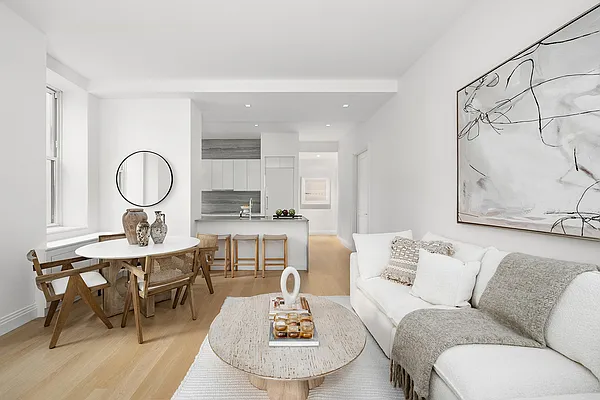
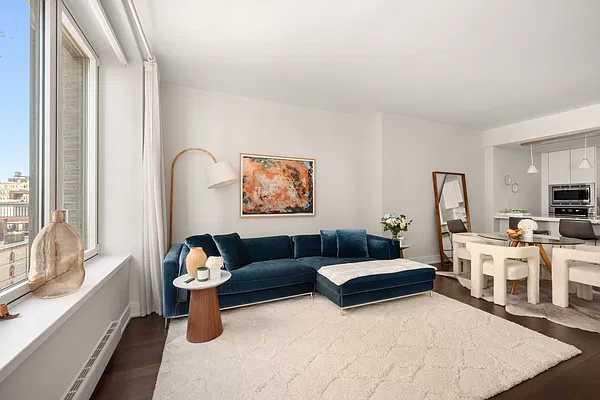
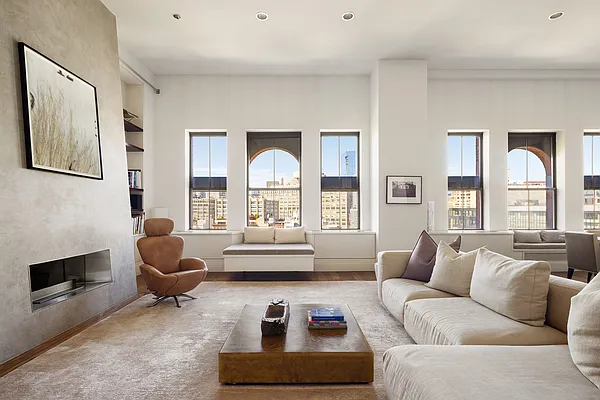
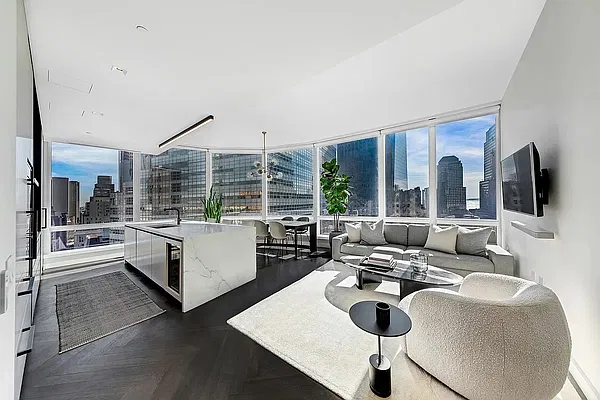
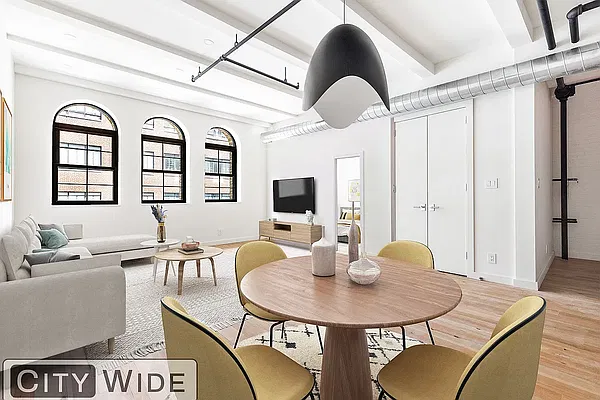
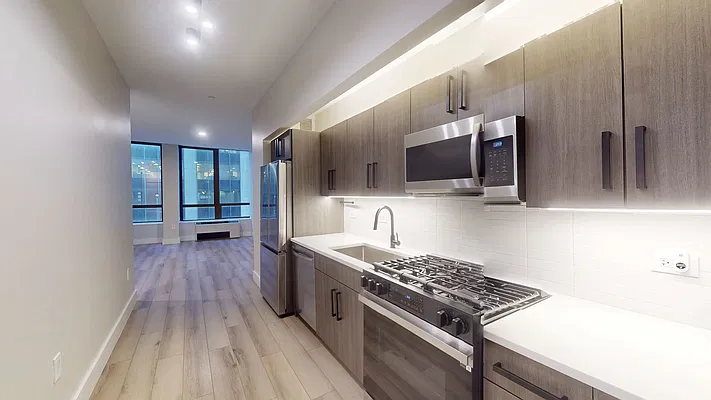
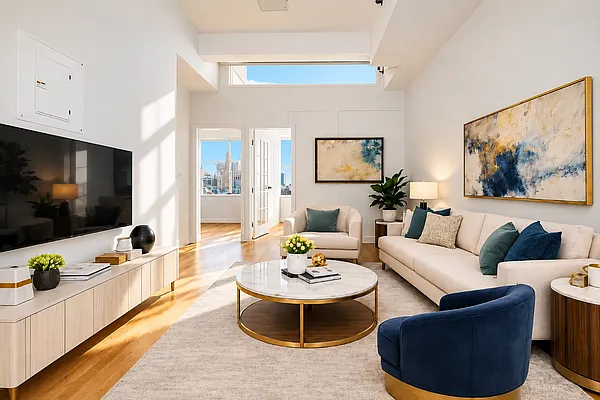
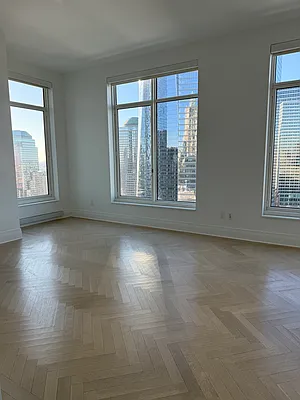
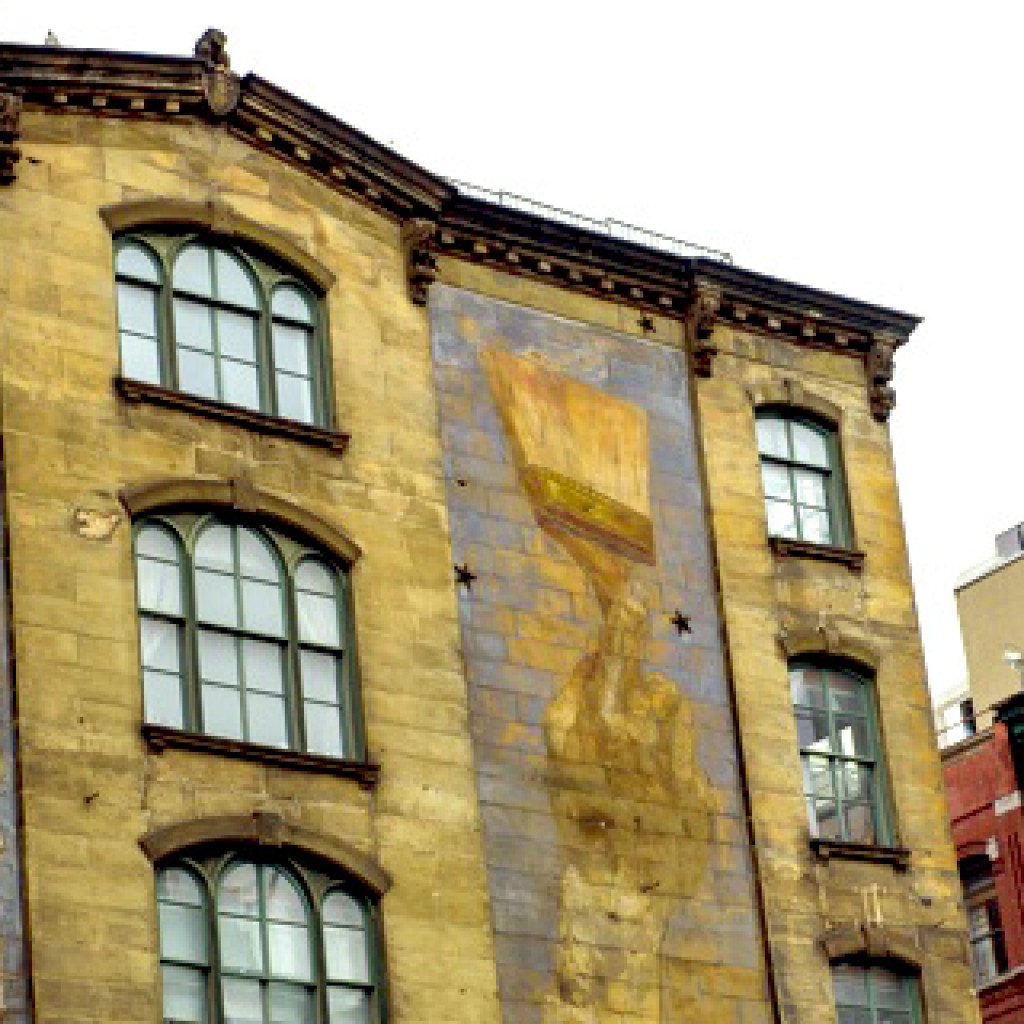
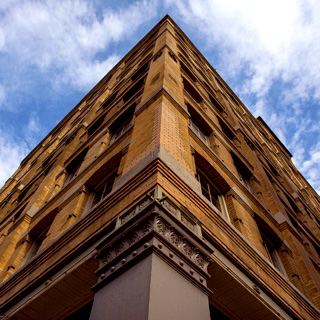
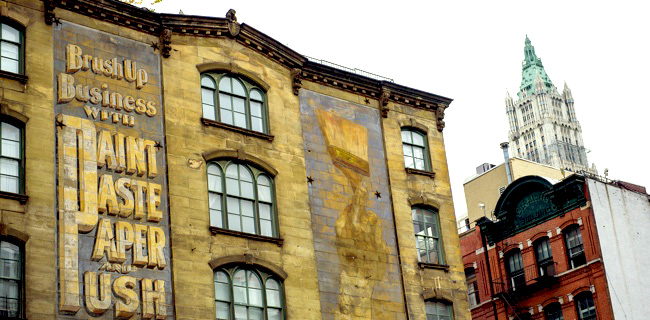
Many architectural remnants of Tribeca's industrial past remain. Old warehouses renovated into large, beautiful, light-filled lofts now fetch some of the highest prices per square foot in the city.
Its proximity to the Financial District is a boon for many professionals.
While Tribeca once was the heart of Manhattan’s artists' community, now it’s one of the top neighborhoods for celebrity-spotting.
Some of the most popular attractions in Tribeca are the excellent restaurants, world-class shopping, and the few high-end art galleries that remain in the neighborhood.
You’ll find some of the city’s best restaurants in Tribeca.
Khe-Yo
LaotianNew York’s first Laotian restaurant, Khe-Yo encourages the downtown crowd to eat this traditional cuisine with their hands.
The Odeon
New American, French, ItalianAlways lively and open late, the Odeon is the place to see and be seen. It serves classic American/French bistro fare.
Locanda Verde
Italian, Breakfast & Brunch, DessertsThe waits are long at Andrew Carmellini's Tribeca destination. It's famous for its rustic Italian fare and ambiance.