Midtown East
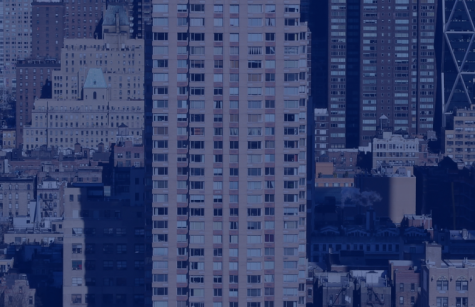
Full of skyscrapers, co-ops, hotels, and office buildings, Midtown East spans some of the busier parts of Midtown Manhattan. But on its eastern edges, the neighborhood gives way to residential enclaves that feel more removed from the corporate commotion.

Midtown East comprises both energetic areas where commuters race to Grand Central Terminal, and quieter pockets of residential buildings tucked away on side streets. There’s something quintessentially Manhattan about the neighborhood, which includes some of the oldest and most iconic works of architecture in the borough. The buildings tell the neighborhood’s history, from the gothic elements of St. Patrick’s Cathedral to Art Deco juggernauts like the Chrysler Building. Beaux-Arts buildings mix with modern glass offices and high-rise, full-service co-ops. The UN Headquarters, several consulates, and countless hotels also call the neighborhood home, as do gyms, pubs, and wine bars. While the nabe swells with traffic during the day, it quiets down in the evenings. Luxury storefronts and galleries line Madison Avenue at the neighborhood’s western end, but as you travel eastward, things get slightly more relaxed.
The Mood
Daytime hustle-and-bustle gives way to quieter, laid-back energy after commuters head home and locals settle into their favorite neighborhood spots.
Heart of the Neighborhood
Grand Central Terminal is the gateway to Midtown East, providing both an architectural feat of grandeur and one of NYC’s largest transit hubs. Within a few blocks are some of the city’s biggest office buildings, as well as Bryant Park and the Chrysler Building.
Neighborhood Quirk
Midtown East saw the creation of some of the first minimalist glass constructions in the city, such as the Seagram Building.
Best Perk
It’s easy to get to just about anywhere else in the city, or even the state, thanks to a plethora of transit options.
Biggest Downside
Some areas have less one-of-a-kind charm than you can generally expect to find in other Manhattan neighborhoods.
Prices shown are base rent only and don't include any fees. Visit each listing to see a complete cost breakdown.
The Mood
Daytime hustle-and-bustle gives way to quieter, laid-back energy after commuters head home and locals settle into their favorite neighborhood spots.
Heart of the Neighborhood
Grand Central Terminal is the gateway to Midtown East, providing both an architectural feat of grandeur and one of NYC’s largest transit hubs. Within a few blocks are some of the city’s biggest office buildings, as well as Bryant Park and the Chrysler Building.
Neighborhood Quirk
Midtown East saw the creation of some of the first minimalist glass constructions in the city, such as the Seagram Building.
Best Perk
It’s easy to get to just about anywhere else in the city, or even the state, thanks to a plethora of transit options.
Biggest Downside
Some areas have less one-of-a-kind charm than you can generally expect to find in other Manhattan neighborhoods.
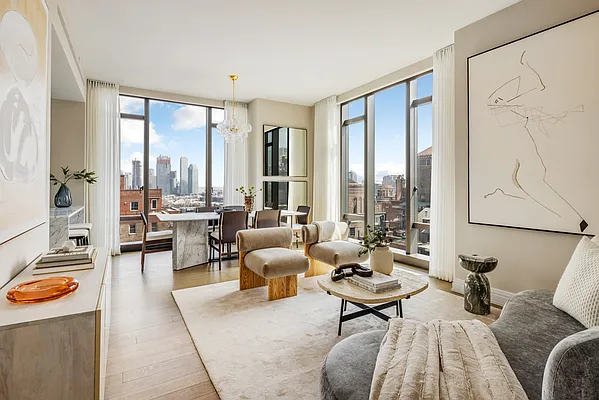
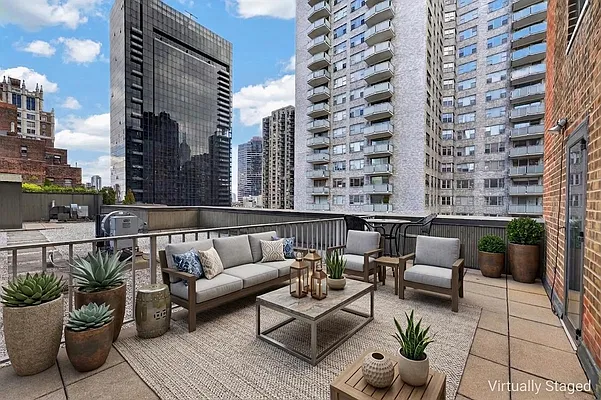
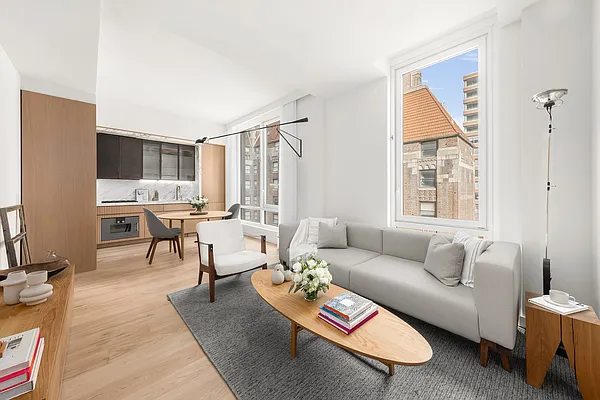
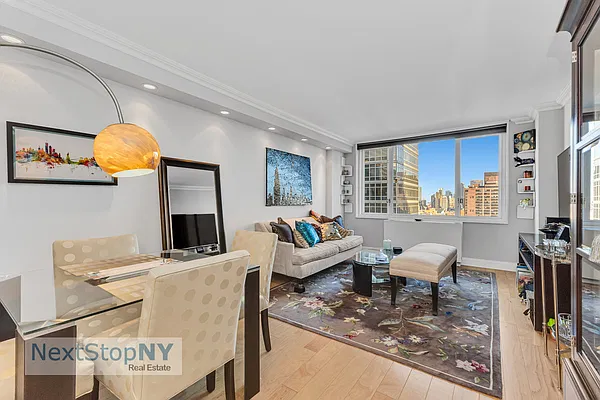
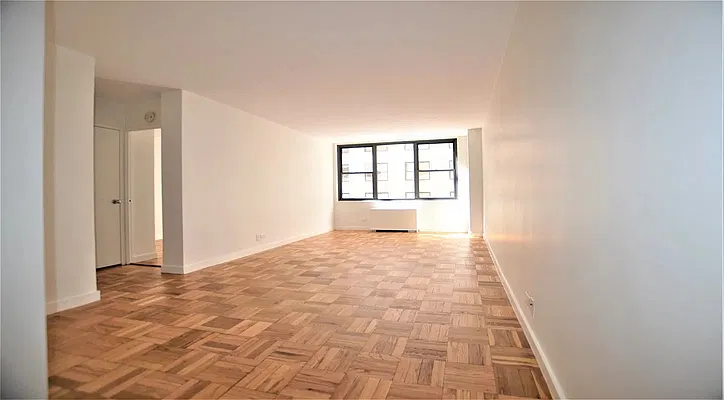
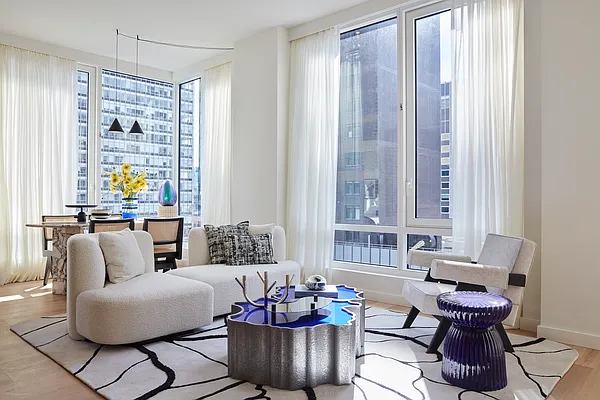
Homes for sale in Midtown East are relatively affordable for Manhattan, with a median asking price of $899K in 2025 — a whole third less than the Manhattan median of $1.35M. At $4,500, the median asking rent in Midtown East was just above the borough median of $4,445 in 2025.
In addition to providing ample transit options both within and outside of the city, Grand Central Terminal is an architectural marvel. It also houses Grand Central Market for great gift shopping, and esteemed restaurants like Grand Central Oyster Bar.
One of the most iconic landmarks in the city, the Chrysler Building and its Art Deco facade are a mainstay of the Manhattan skyline. The UN Headquarters also borders the East River and includes several public gardens and plazas.
Tudor City was one of the first high-rise residential complexes in the world. Spanning 40th to 43rd Streets between First and Second Avenues, the Tudor Revival-style complex houses 5,000 New Yorkers in 13 buildings.
The Roosevelt Island Tramway at 60th Street and 2nd Avenue shuttles riders over the East River in pods sailing 250 feet above the water. Passengers get stunning river vistas for the price of a subway ride.
Midtown East restaurants run the gamut from New American and Italian fare to Greek and Japanese. Grand Central Market is a great spot for prepared foods and fast-casual options all in one convenient place. Nightlife in Midtown East is largely made up of wine and cocktail bars, hotel lounges, and jazz clubs, but you’ll also find your fair share of no-frills sports bars and grills.