
In 2025, New York City buyers and sellers returned in equal force: inventory rose, sales volume climbed, and asking prices largely held firm, with homes selling close to their most recent asking prices. Meanwhile, renters faced a tough market amid declining vacancy rates and resilient demand — an ongoing trend since the onset of return-to-office policies in 2022. The pressure on the rental market comes from the city’s severe housing shortage, the result of decades of undersupply.
In the coming year, NYC’s sales market will move faster, creating additional opportunities for both buyers and sellers. Renters will experience faster rent growth against the backdrop of low labor market confidence and high barriers to homeownership, while a surge of new developments will reshape the rental market. Mounting affordability challenges in both the rental and sales markets mean the stakes are higher for New Yorkers to adapt. Here are five key predictions from StreetEasy® for the NYC housing market in the coming year.
NYC Homes Under $1M on StreetEasy Article continues below


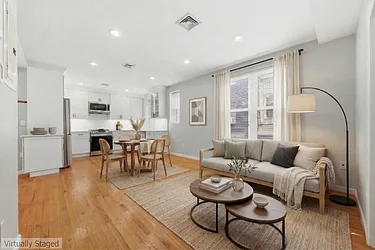
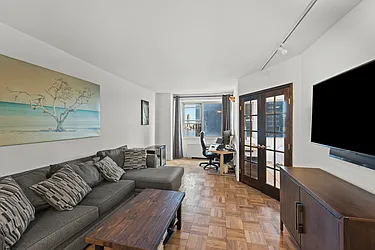

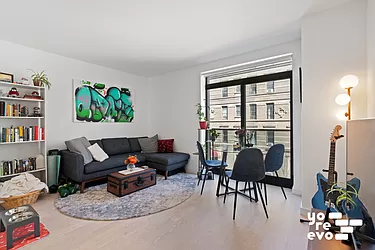
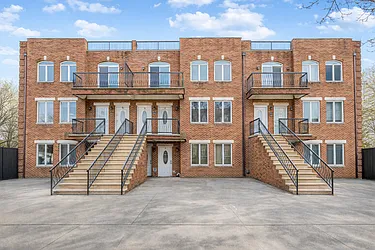
1. Homes are on track to sell faster in 2026 — but buyers need not worry
As the sales market continues to heat up, NYC homes will likely sell faster in 2026, and the city should see the highest sales volume since 2022. This year, as mortgage rates gradually declined, the NYC sales market set new records. Homes entering contract in 2025 spent a median of 68 days on the market, a decline of four days from 2024. Zillow® predicts mortgage rates will continue to moderate through 2026, but remain above 6%, which will sustain strong buyer activity in NYC. With stronger demand, median days on market will likely continue to decline.
However, unlike 2021 and the first half of 2022 when buyers faced intense competition, a faster sales pace won’t be bad news for buyers in 2026, as new listings will continue to create additional buying opportunities. From January to October 2025, 35,048 homes were newly listed on the NYC market, the highest since 2022. As a result, despite strong sales activity, inventory rose 1.6% from last year, the first annual growth since 2022. Strong buyer activity amid declining mortgage rates will continue to encourage sellers to stay engaged in the market next year.

2. New forms of co-buying stand to rise in popularity
A 2025 Buyer Trends Survey by StreetEasy indicates 56% of prospective NYC buyers planned to buy with a co-buyer. While a plurality (43%) of all prospective buyers planned to purchase a home with a partner or spouse, 9% intended to buy with a friend, and 6% with relatives. While still a minority, this “third way” of ownership — co-buying with relatives or even friends — will likely grow in popularity in 2026 as buyers continue to navigate high borrowing costs. A multifamily home containing two or three separate units can be attractive to these buyers, as it supports an independent but community-oriented lifestyle while sharing closing costs, mortgage payments, and maintenance expenses.
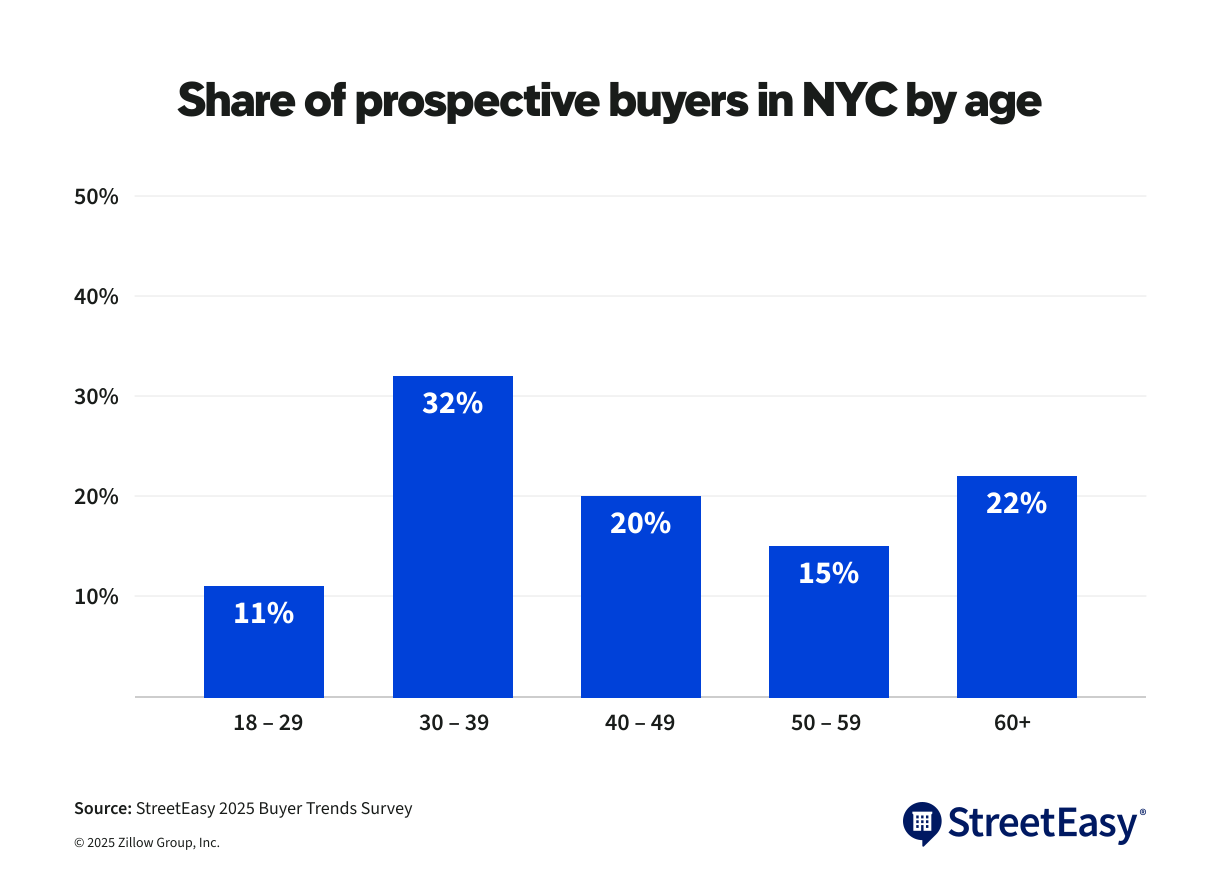
In addition to the cost advantage, the rising share of aging adults in NYC — following the nationwide trend — will drive up demand for multifamily homes such as duplexes, triplexes, townhouses, or houses with a legal basement apartment. While millennials account for the largest share of prospective buyers in NYC, baby boomers make up a substantial share, many of whom may be seeking an opportunity to find a smaller home within the city. StreetEasy’s survey shows 22% of prospective NYC buyers are over the age of 59, the largest age group after 30–39 year olds, suggesting multigenerational co-ownership will likely gain traction.
However, affordable multifamily homes are hard to come by despite the growing need. Citywide inventory of multifamily houses rose just 0.6% this year to 5,625 homes. The median asking price of these homes was $1.5M, up 5.2% from a year ago. To meet the growing demand, NYC needs a more diverse housing mix. Modest zoning reforms that allow two- or three-family townhouses in areas primarily zoned for single-family homes, particularly in areas near public transit, can help communities add flexible housing options. Policies to expand areas where accessory dwelling units (ADUs) are permitted, and to provide technical support and financial assistance for homeowners interested in one, can also help bring more homes to existing neighborhoods.
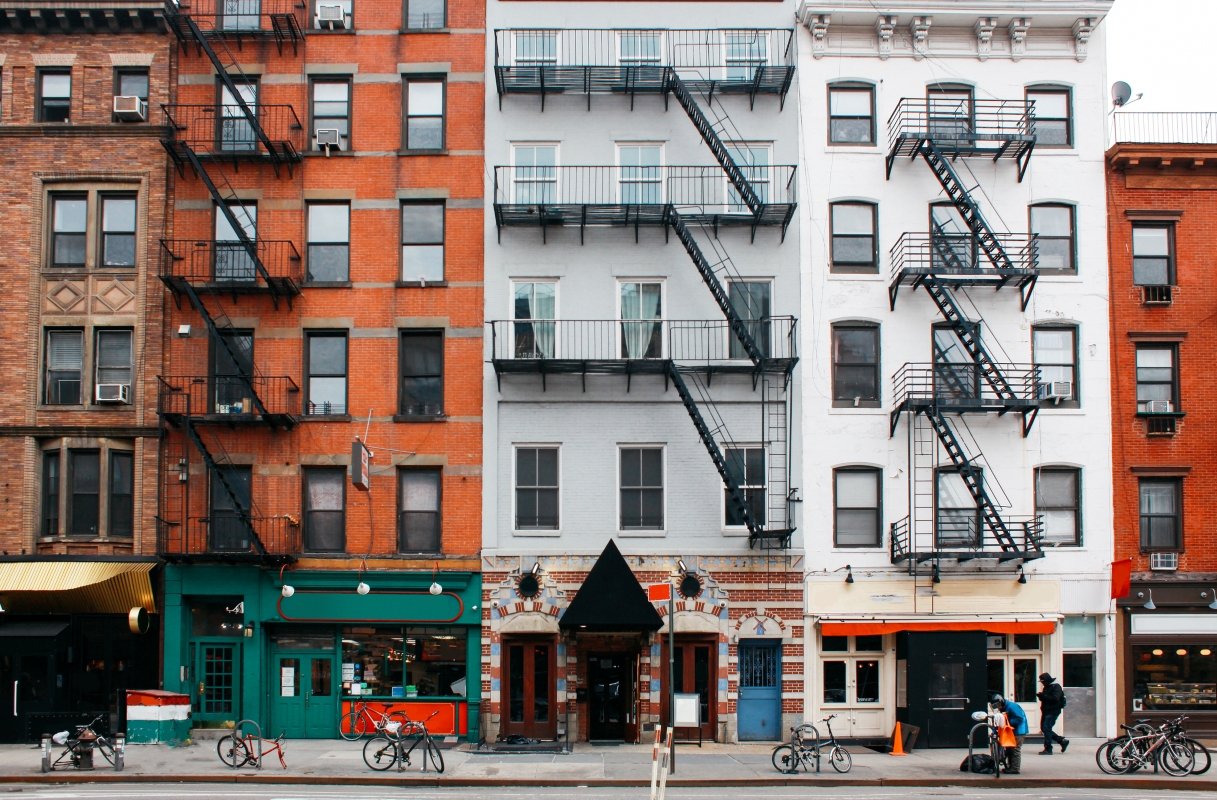
3. Rents are poised to grow faster in NYC, even as the labor market remains cool
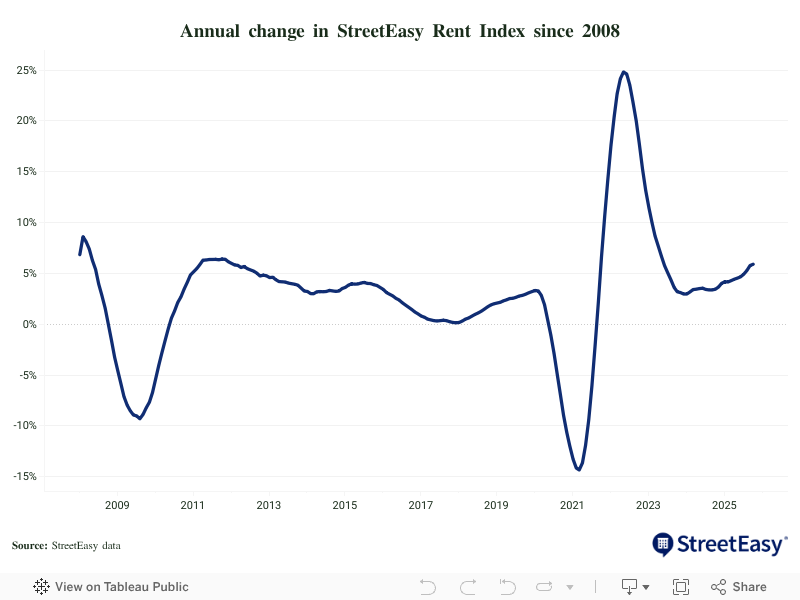
While Zillow predicts cooling rent growth in the national market, in New York City, rent growth will likely accelerate next year. In January through October this year, asking rents across the city rose 4.8% from last year, according to the StreetEasy Rent Index. As the rental market tightens, rents are on track to rise faster in 2026. Although the surge of new developments since the pandemic has created thousands of new rentals, the city still has a large gap to fill due to its chronic undersupply of rental housing since the 1990s. Meanwhile, there are plenty of reasons for renters to renew their leases. While overall economic activity has been stable, private sector job growth has been slowing in NYC, leading to increased concerns over near-term job security. Moreover, despite recent declines, mortgage rates are still too high for many New Yorkers. With renters in a holding pattern, vacancy rates will likely decline further next year, driving up competition in popular neighborhoods.
NYC Rentals Under $3,500 on StreetEasy Article continues below



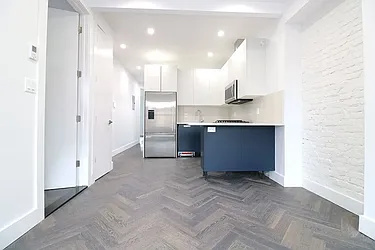
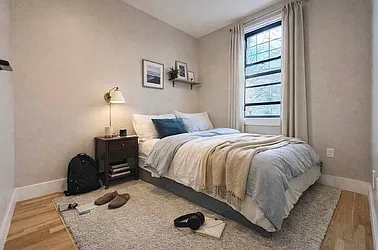
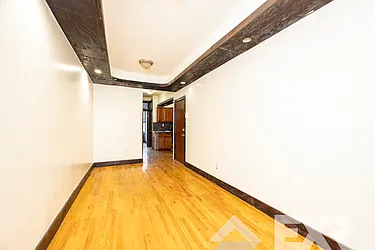
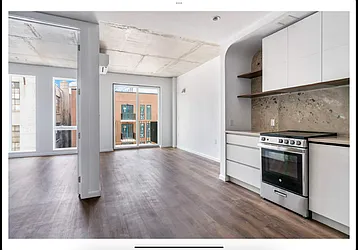
However, the NYC rental market outlook depends on broader economic conditions. While unlikely, if a national recession were to occur, rental demand could weaken sharply, mostly as renters generally have lower income and savings than homeowners, making them more vulnerable to a sudden loss of employment. In 2024, the median household income for renters in NYC was $64,866, 46.6% lower than that of homeowners, according to the U.S. Census Bureau’s latest American Community Survey. Expanding access to rental vouchers and other policies to strengthen housing stability would be critical to protect vulnerable New Yorkers amid financial hardship.
4. New developments are set to become the “affordable” new norm
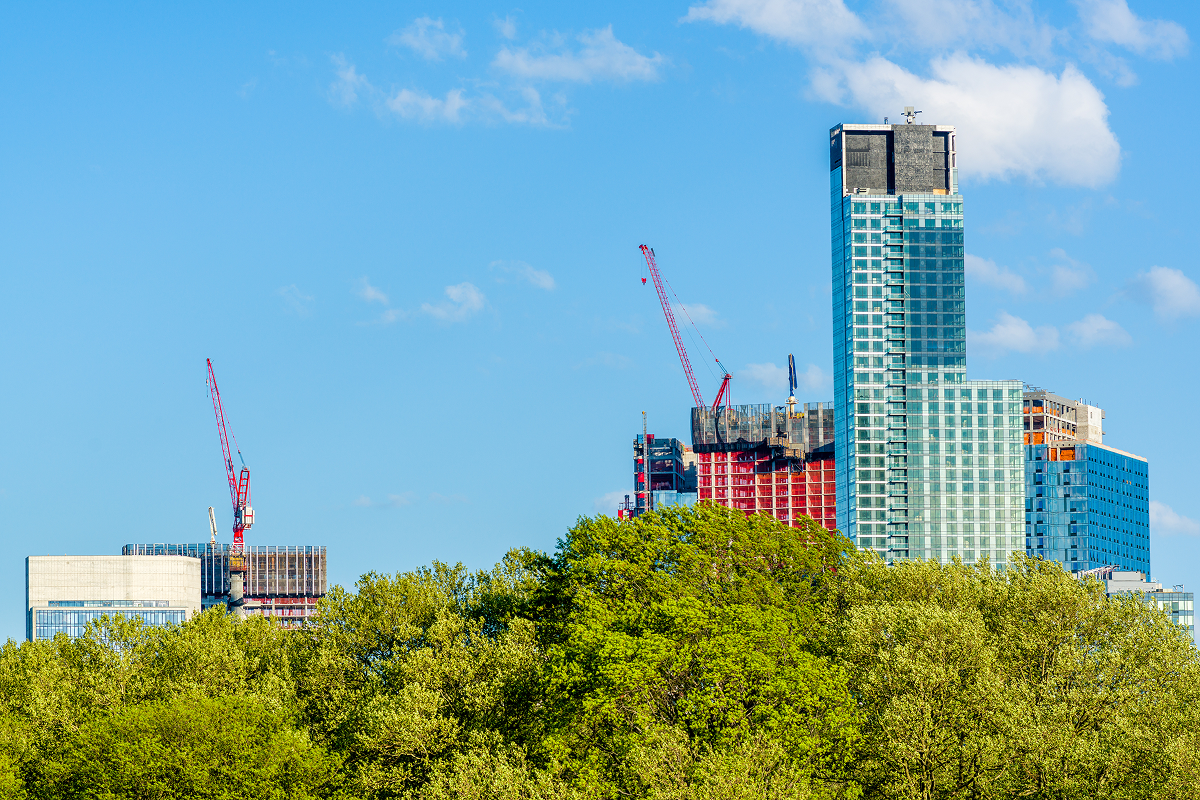
Rentals in new developments in New York City will look more affordable in 2026 as the price gap between newer and older buildings continues to narrow. New developments have steadily gained market share as vacancies in older buildings have declined, and increased construction activity has brought more brand new rentals to the market. As of October, more than 30% of the city’s rental inventory was in new buildings completed since 2010. This influx of supply has helped temper rent growth for these new construction apartments, while rents in pre-war buildings have risen faster. Since 2019, the StreetEasy Rent Index for new construction has climbed 20.0% after factoring in concessions, compared to a 23.1% increase for pre-war units. In general, new developments are more likely to offer concessions such as one or more months of free rent, as property managers look to fill up new buildings quickly. While temporary, these concessions can help to further bridge the affordability gap for renters in the near term.
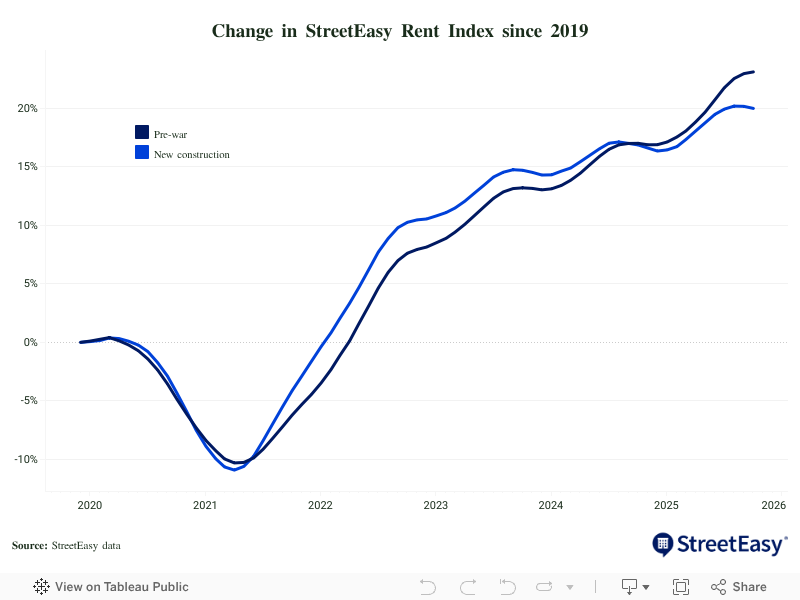
Sharp increases in asking rents for pre-war units reflect their prime locations with easy access to job hubs, where demand has intensified since 2022 amid return-to-office policies, particularly in Manhattan and other transit-rich areas in Brooklyn. At the same time, high construction costs and restrictive zoning have disincentivized new developments in these high-demand areas. As vacancy rates in these older buildings remain low, rent growth in these neighborhoods will likely accelerate through 2026. In contrast, areas with abundant new construction will likely see more gradual rent increases, making newly built rentals comparatively more affordable and attractive to renters.
This recent data shows expanding supply, whether through new building or preservation, is the most effective way to cool rising housing costs. The City of Yes for Housing Opportunity, adopted by the City Council in 2024, implemented broad zoning reforms, deeper affordability requirements, and a $5 billion investment in housing agencies and infrastructure — a significant step in the right direction. New tax incentives approved by the New York State Legislature, such as 485-x for affordable housing and 467-m for office-to-residential conversion, will further help the city close one of the largest housing deficits in the country.

5. Renters will likely seek communal spaces in new developments
With homeownership increasingly out of reach, renters are getting older. Between 2013 and 2023, the median age of NYC renters rose to 47 from 45, according to StreetEasy analysis of the Census Bureau’s ACS microdata, which also suggests renters are staying renters for longer. As they seek ways to make their homes feel more permanent, they’re likely to see value in building amenities that offer not only daily convenience but a sense of belonging and ownership. Meanwhile, new developments have been capturing a growing share of the rental market, particularly in Brooklyn and Queens. As property managers look for ways to differentiate themselves from the competition, communal spaces will become defining features of the city’s rental landscape in 2026 and beyond.
Among large rental buildings with at least 50 units completed in the past three years, 61% advertise lounges for residents on StreetEasy, up from 56% in those built between 2017 and 2019. Rooftop decks have become a staple of modern rentals, now present in 63% of these new buildings, compared to 47% in older ones. The share of buildings offering game or party rooms has grown to 20% from 14%, while the share of buildings with coworking areas has nearly doubled to 19% from 11%. Wellness spas are found in 29% of new buildings, a sharp increase from 9% among older construction. Even basketball courts, though still less common, have edged up to 7% from 5%.
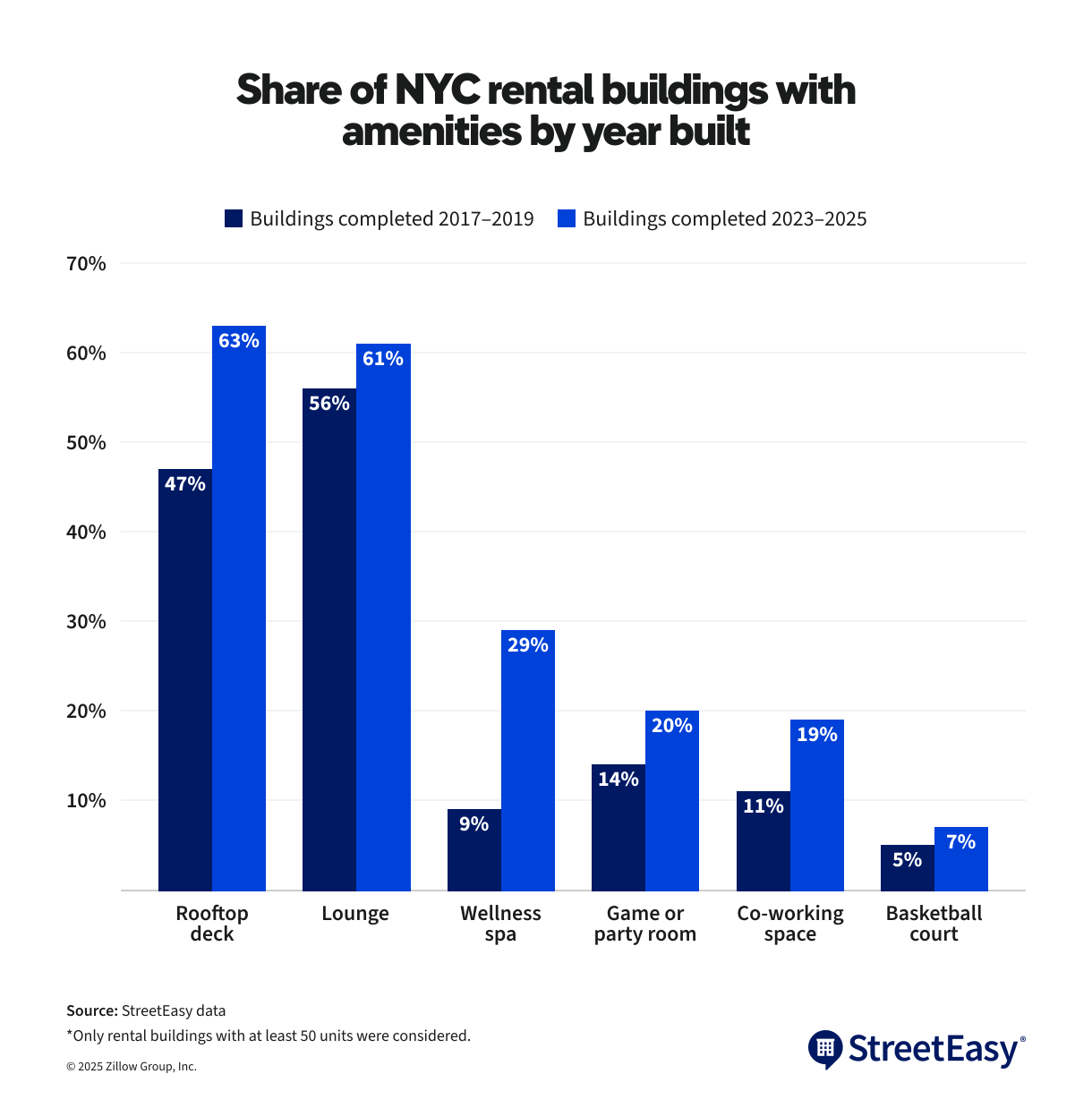
Together, these trends signal a broader shift toward community-oriented, lifestyle-driven rental developments. As property managers seek to differentiate their buildings and improve retention, amenities that can support social gatherings and shared experiences are poised to raise the bar for rental apartments in NYC.
StreetEasy is an assumed name of Zillow, Inc. which has a real estate brokerage license in all 50 states and D.C. See real estate licenses. StreetEasy does not intend to interfere with any agency agreement you may have with a real estate professional or solicit your business if you are already under contract to purchase or sell property. Nothing herein is meant to constitute legal, financial, or technical advice. All data for uncited sources in this presentation has been sourced from Zillow data. Copyright © 2025 by Zillow, Inc. and/or its affiliates. All rights reserved.