
Key takeaways:
- NYC renters commonly face costs like application fees and security deposits, and sometimes move-in fees, pet fees, or amenity fees — which can add up significantly.
- Application fees are legally capped at $20 in most cases, security deposits are limited to one month’s rent for most apartments, and only first month’s rent can be required in advance. Co-op and condo buildings, however, can charge higher fees.
- The FARE Act, passed in late 2024 and effective June 11, 2025, made significant changes to broker fees: renters no longer have to pay a broker fee unless they personally hired the broker.
- Renters should be proactive and vigilant. Ask about fees upfront, prepare your application and necessary documents, and look out for fees that don’t seem standard.
NOTE: As of June 11, 2025, a broker can no longer require you to pay them a broker fee if they’ve listed an apartment on behalf of a property manager. For more information, see our explainer on What the FARE Act Means for Renters.
New York City apartment hunting is a sport full of unknowns, but the various fees that renters face remain one of the biggest of all. They include application fees, broker fees, and security deposits and can vary in price considerably. There are ways to avoid some of them, though they can in some situations be inescapable, and it can be difficult to know if the amount you’re being charged is fair or even ethical. Here’s everything you need to know about NYC renter fees.

What are NYC renter fees?
In addition to the standard security deposit and application fee that renters can typically expect to pay, other costs can sometimes include a move-in fee. Your security deposit, under New York State law, cannot be more than one month’s rent for most apartments. Other costs, though, can be less consistent.
In most cases, renters will be charged an application fee to cover the cost of a credit and/or background check prior to renting an apartment. In New York State, that fee is capped at $20 (including background and credit check), though that cap doesn’t necessarily apply if the rental is in a co-op or condo building.
In some cases, renters in a condo or co-op building may be asked to pay a move-in fee. This is a nonrefundable payment meant to cover small maintenance costs like a fresh paint job, done prior to a new tenant arriving. Move-in fees generally range between 20-50% of one month’s rent.
Other potential NYC renter fees include pet fees and amenity fees. Pet fees are typically one-time fees that can range from $500 to half a month’s rent, depending on the pet’s size, weight, and breed. Some buildings will charge a smaller monthly “pet rent” instead. In new developments or luxury buildings, renters may be charged an amenity fee, which usually falls between $500 and $1,000 annually. In some buildings, renters can choose to opt out of using the amenities to avoid the fee.
Manhattan Rentals Under $3,000 on StreetEasy Article continues below
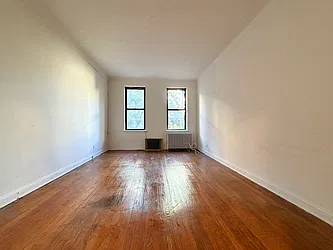
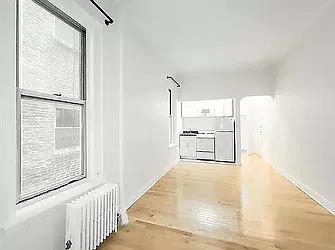


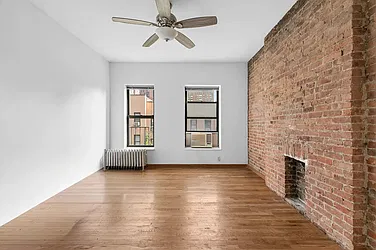

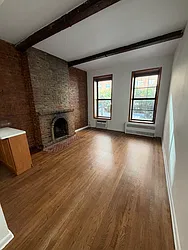

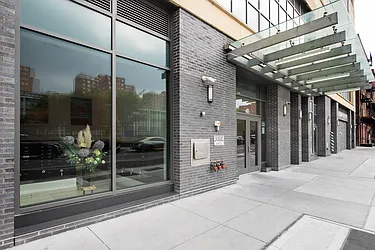
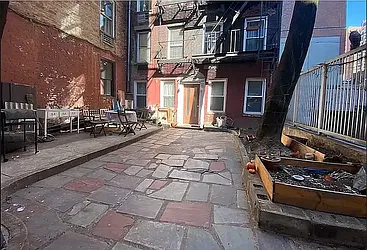


How do rental fees in co-op or condo buildings compare?
Renting an apartment in a co-op or condo building can often mean higher costs than a typical rental building. In New York, caps on costs like application fees don’t apply to co-ops and condos. Because these buildings are typically owner-occupied, there’s less of a need to attract renters through limited fees.
“The most confusing thing for people is to understand that the fees associated with a standard rental unit, just a management company and where you go in and you apply, can in some cases be significantly less than a condo or a co-op,” says Joshua Rodriguez, licensed real estate salesperson at REAL New York. “The co-op is operating as a cooperation, like a business, versus a management company. They can set their own application fees, so they set them higher.”
Renting in these buildings involves a high level of scrutiny by the building’s board, especially in a co-op. “You’ve got to give taxes and all these documents. It’s almost as if you’re buying.” Rodriguez sees these rentals more commonly in neighborhoods like Tribeca.
Brooklyn Rentals Under $3,000 on StreetEasy Article continues below
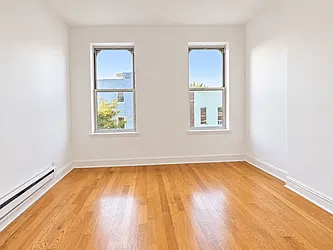


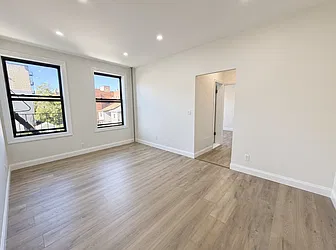


What should I know about NYC renter fees?
In short: come prepared. Rodriguez advises asking what financial information you’ll need to apply for a rental, even before you go to see the unit. “Reach out to the agent immediately, ask them what you need to be prepared if you decide to apply for the apartment so you’re not waiting two weeks for HR to get you a letter of employment, because then you lose out on stuff.”
Be wary if you’re asked to write a check after seeing an apartment without being told what it’s for. “If you bring them a money order or a bank check and you give a deposit to hold the unit for you, but you don’t get anything tangible to hold that agent accountable, that is the biggest red flag,” Rodriguez explains. “Obviously, [agents] need to get paid, but you shouldn’t just be giving money for nothing. There needs to be a receipt, the money should be handled properly.” Learn more about what to look out for when searching for a rental and how to avoid scams.
Queens Rentals Under $3,000 On StreetEasy Article continues below




What is a broker fee in NYC?
After the Fairness in Apartment Rental Expenses (FARE) Act went into effect in June 2025, the question became: what were broker fees (for the most part).
For many decades, renters were expected to pay a broker fee, which is a commission paid to an agent for finding a tenant for an apartment. Some listings were “no-fee”, meaning the landlord was compensating the agent or it was For Rent By Owner. Broker fees would typically range from one month’s rent to 10-15% of the annual rent. Along with the security deposit, first month’s rent, and other upfront costs, that could mean over $10K in fees just to move in.
All of that changed with the FARE Act. Now, the party who hires the broker pays the broker, and that’s usually the landlord. Renters can still hire their own broker and pay them a broker fee, but if you didn’t hire a broker, you cannot be asked to pay the fee. If you are, you’re encouraged to file a complaint with the NYC Department of Consumer and Worker Protection (DCWP) and use the Report listing function on the StreetEasy listing page. Learn more about how to report violations.
Ultimately, while NYC renter fees have long been a complicated and sometimes costly part of the apartment search process, changes like the FARE Act have resulted in real progress. Understanding which fees are standard and which are no longer allowed can help you secure a rental without unexpected or unnecessary costs.
As always, StreetEasy can be your guide to navigating the NYC rental process with confidence — visit our resource hub for renters for more assistance.
Find your next NYC rental on StreetEasyThe materials and information contained herein have been prepared or assembled by StreetEasy for informational purposes only. Nothing in this article is meant to convey legal guidance and should not be relied on as legal advice.