Renting in NYC: The Ultimate Guide
Key takeaways:
- “Normal wear and tear” is the reasonably expected effects of ordinary, careful use of an apartment over time, as opposed to actual damage.
- Normal wear and tear is expected — damage is not. Landlords can deduct from your security deposit for damage beyond what results from ordinary, careful use over time. Normal wear and tear includes things like lightly scratched floors, faded paint, and small holes in walls from hanging items. Damage can include broken fixtures, careless drilling, excessive dirt or grime, or unauthorized alterations to the apartment.
- Document everything in writing and photos. Taking comprehensive photos at both move-in and move-out is your best protection against disputed deductions. Capturing existing or potential damage upfront can prevent your landlord from pinning it on you later.
- Your landlord must provide an itemized statement for any amounts withheld. Under the Housing Stability and Tenant Protection Act of 2019 (HSTPA), landlords are required to return your security deposit within 14 days of move-out, along with an itemized statement for any amounts withheld.
- You have the right to a pre-move-out inspection — and to fix what is flagged. The HSTPA also entitles you to a walk-through inspection before you move out, and you have the right to be present during it. Post-inspection, your landlord must give you an itemized list of proposed deductions, and you have the right to address these issues yourself before handing over the keys.
- A thorough cleaning before you vacate can save you hundreds. Excessive dirt, grime, or smells can cross the line from normal wear and tear into damage. A few hours of deep cleaning — or hiring a service — can protect a significant chunk of your deposit.
Let’s face it: moving in NYC is expensive. Even with broker fees now being the responsibility of the hiring party, expenses like first month’s rent, security deposit, and hiring movers can add up fast.
The silver lining in the laborious and costly process of moving is that if you’re prudent, you can likely get your security deposit back from your old place and use it to finance your new place. Getting your deposit back is sort of like finding a thousand bucks in the back pocket of a pair of old jeans, except that instead of blowing it on something fun, you’ll most likely want to put it toward your next lease.
Return of your security deposit hinges on a few things, a major one being actual damage of the apartment vs. normal wear and tear. Normal wear and tear is just what it sounds like: the reasonably expected effects of ordinary, careful use of an apartment over time. What exactly counts as normal wear and tear is somewhat up to interpretation, but many, many decades of New Yorkers renting apartments provide some insight.
Here’s a breakdown of what typically is and isn’t considered normal wear and tear, and tips for maximizing your chances of getting your deposit back — starting as soon as you move into a new place.
Note: Every lease is different, and rules around wear and tear can vary. If you’re unsure about your rights, it’s always a good idea to reach out to a local attorney or tenant advocacy organization.
Why would a landlord withhold your security deposit?
While you may think getting your security deposit back means exchanging your keys for a nice, big check, that’s not always how it works. Many landlords are accommodating about returning the deposit in a fair manner, but other times it’s not as simple. You might get dinged for damages that exceed normal wear and tear, while other damages may be edge cases.
In any scenario, it’s important to know that legally, under the Housing Stability and Tenant Protection Act of 2019 (HSTPA), your landlord must return the deposit within 14 days of your move-out with an itemized statement for any amounts withheld. The itemized statement, if you receive one, will be crucial in determining whether the withholdings fall under normal wear and tear. (Learn more about the HSTPA and your rights as an NYC renter in our simple guide.)
What to do when you move in and move out
Losing all or some of your security deposit can put you up against a wall if you’re on a tight budget. But there are measures you can take to prevent your landlord from claiming you left your apartment in a state that exceeds normal wear and tear. Here are some tips.
- Discuss the distinction between normal wear and tear and damage when you sign your lease. Read your lease carefully before signing it and make sure you understand the difference. If it’s unclear, have your landlord answer any specific questions and get it in writing. Being upfront on the matter will help prevent the issue from becoming a problem down the road.
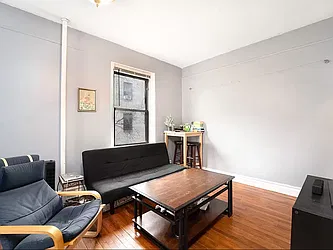
- Take photos when you move in. Take comprehensive photos of the state of your apartment when you move in. Photograph entire rooms as well as minor details. Pay special attention to existing damage when you moved in, and areas that are likely to get a lot of wear and tear: e.g. doorways, behind doors where the doorknob bangs into the wall, floors, and around the kitchen sink. If there’s something that looks like a potential liability, document it with a photo and in writing. Make sure your landlord has acknowledged this at the outset of your lease, so they don’t claim it was your fault when you move out.
- Take photos when you move out. Same deal here: document everything, especially the questionable stuff. It’s better to have your own documentation of these issues, so it’s not the landlord’s word against yours. If you have your own evidence to refute any damage claims, your landlord is less likely to exaggerate the damage and extract a larger deduction from your security deposit than is warranted.
Manhattan rentals under $3,500 on StreetEasy Article continues below








What does “normal wear and tear” actually mean?
So you’ve got photos and your lease to support you, but what if your landlord claims the damages you’ve done exceed normal wear and tear and withholds some of your security deposit? What does “normal wear and tear” actually mean?
As mentioned, the term is subject to interpretation, but here’s a general rule of thumb: normal wear and tear includes natural deterioration resulting from typical use over time. It does not cover major things you’ve broken, or problems arising from you ignoring an issue that got worse over time. Here’s what typically counts as normal wear and tear vs. actual damage.

What counts as normal wear and tear?
- Holes in the wall from hanging pictures or other items
- Walls and ceilings that have been covered with a single coat of paint
- Faded or chipped paint or wallpaper
- Dirty windows
- Worn countertops
- Lightly scratched floors
- Worn carpet due to aging
- Worn tile or linoleum floors
- Worn hinges or locks
- Worn or dysfunctional electrical sockets
- Dust
What counts as damage?
Damage means things broken in the apartment:
- Careless drilling or gouges in the walls
- If you’ve created large, structural, or excessive holes from careless drilling to hold heavy hangings, and it requires a lot of work for the landlord to repair, they can deduct the cost of restoring the damaged wall
- Wallpaper or thick paint coatings that you put up during your tenancy
- Broken windows or torn screens
- Curtains or blinds that you took down and did not put back in place
- Burns on the countertops
- Stained carpets due to pets, red wine, etc.
- Pervasive smells due to pets or smoking (if the smell is overwhelming, it’s likely to count as damage)
- Excessive mildew in the bathroom
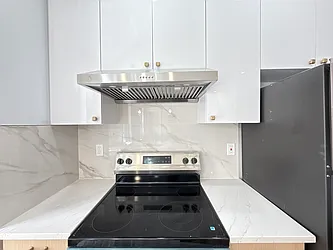
- Excessive dirt or grime on the stove or fridge
- Broken faucet handles
- Alterations and improvements made to the apartment without your landlord’s consent
Brooklyn rentals under $3,500 on StreetEasy Article continues below







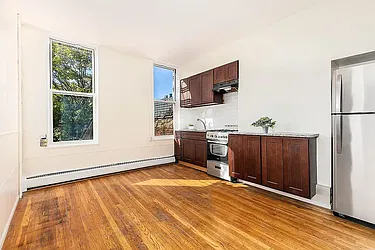

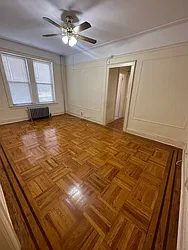
Most leases dictate the apartment must be returned to its original state when you vacate. Your landlord can waive this provision, perhaps if you made improvements they don’t mind keeping for the next tenant — but it’s best to get the landlord’s permission in writing before making any changes to the apartment.
Legally, the HSTPA requires your landlord to notify you (in writing) of your right to a pre-move-out inspection, and of your right to be present at the inspection. Your landlord must offer to conduct the inspection no earlier than two weeks and no later than one week before you move out. After the inspection, the landlord must give you an itemized statement of what they plan to deduct, and you have the right to fix the issues yourself before the lease ends.
Yes, you should clean your apartment before moving out
In all cases, you should thoroughly clean your apartment before vacating. That means more than just a sweep of the floors and a squirt of cleaner on the fridge. Think about the state of the apartment when you moved in and the state in which you’d hope to find your next apartment. You’d want it clean and sparkly, right? As best you can, try to leave your current place that way.
We hear you: moving is a busy and stressful time, and the last thing you want to do is clean your empty apartment for the next tenant. But a few hours of thorough cleaning can save you in deductions from your security deposit that could translate to hundreds of dollars. If you don’t have the time or energy, consider hiring cleaners or see if your building offers move-out cleaning services. The $100 or so you invest can save you a lot in the long run.
Queens rentals under $3,000 on StreetEasy Article continues below
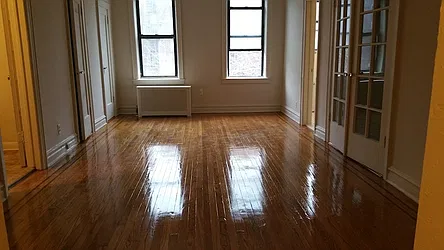

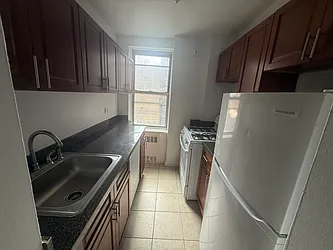



Whether you’re moving in or moving out, approaching the process with care is vital to not just keeping your security deposit, but your sanity too. See our comprehensive guide and our series on moving in NYC for more helpful content. And for more on understanding your rights as an NYC renter, visit our resource hub.