building at 264 Water Street

Started by MC1224
over 9 years ago
Posts: 0
Member since: Dec 2011
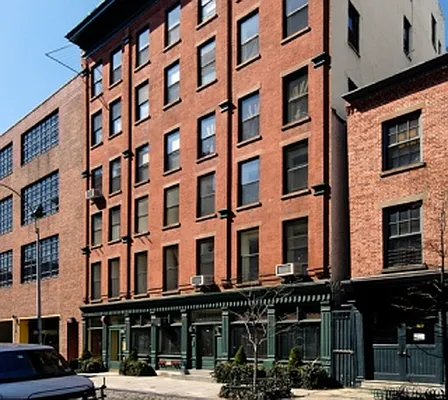
Discussion about 264 Water Street in Fulton/Seaport
Add Your Comment
Recommended for You
-

From our blog
NYC Open Houses for November 19 and 20 - More from our blog
Most popular
-
3 Comments
-
38 Comments
-
28 Comments
-
33 Comments
Recommended for You
-
From our blog
NYC Open Houses for November 19 and 20 - More from our blog
I just looked at the "Building Experts" for this.
The sponsor was responsible for the buildings condition. In the last two years, the roof on the property has since been repaired and the mouse issue rectified. The apartments are large and loft like and there are many lovely families residing here now.
It was a 26-unit condo downtown that Maxwell-Kates took over in May 2021 and assigned to me, thinking a small property would be a good one to cut my teeth on. There were some discernible cracks in the facade, which wasn’t surprising since it’s a 130-year-old brick and wood joist building, but this was a renovated landmark, and we weren’t expecting any major problems. It turned out there had been a series of engineering reports saying there were structural issues that had to be addressed, so we brought in a new team in June to look at the building. The engineers found that the bearing walls on one side were leaning in some places 30 inches off the vertical -they had never seen anything so egregious -and notified the Department of Buildings. The DOB’s chief forensic officer scheduled a visit right away, and after we did a walk-through, he said, “As management, you need to start mobilizing to get people out of the building, and you have five days to do it.”
No time to waste. Timely and effective communication was critical. The first step was notifying the board. Then I sent out emails and texts notifying unit-owners about a community Zoom meeting, where I explained that we were putting up emergency shoring -essentially steel columns from the floor up to the ceiling -in all of the apart-ments on the affected side of the building and people would have to move furniture and appliances. The next step was orchestrating the evacuation of 26 families in a building with only one elevator, each with their own moving company. I also contacted hotels within a five-block radius and made deals with some of them to provide a bulk rate, but fortunately everyone found a place to go.
Insurance limbo. Insurance has been a sticky wicket with this thing, coverage is based on an event and a cause of loss. But it’s undetermined what ultimately caused the lean, and insurance doesn’t cover long-term, slow deterioration over time. So a lot of unit-owners have been in limbo vis-a-vis the expenses associated with evacuating and moving to a new place. The paradox here is that these people prevented huge insurance claims by moving out, and now they’re being denied coverage.
Status report. The permanent stabilization work on the bearing walls is finally nearing completion. Then we need to restore the apartment interiors, which were damaged by installing the emergency shoring, back to some semblance of what they were before and get all the surfaces paint-ready. Floors need to be cleaned and dust removed. Now we’re starting to organize the process of moving all the unit-owners back in by reverse engineering the process we used to get them out.
Staying connected. During the first year after the evacuation, we communicated constantly with unit-owners with biweekly Zoom calls with my team and the construction team to update them on what was happening. The condo had to take out a construction loan and assess multiple times. From a management perspective, there are several takeaways here. The first is over-communicate. More information is always better. In an emergency like this, an instantaneous response is critical, and you have to keep the communication flow going. Second, when people are in hardship, you’ve got to show empathy and listen to their concerns. But after doing so, you’ve got to get everyone focused on the right things and get them into “go” mode to tackle .the tasks at hand. And three, you’ve got to keep all your emergency contact information up to date. Whether you’re communicating through a system like Building Link, email or texts, you’ve got to have the information at your fingertips. If you don’t, you’re spending precious minutes hunting it down. It’s incumbent upon management to be prepared.
Per the management company:
the engineering firm, when we walked through the building, said it's that the bearing walls are actually leaning some places, 30 inches off a vertical. Brickwood joist building, not supposed to lean. That's bad. When we walked through, they saw the lean, they saw the cracking, and this one engineer said, in all of my years, he's a structural engineer, in all my years doing this, I don't think I've ever seen something quite as egregious, and I think we have to notify the DOB.
And he basically said to me as management, you need to start to mobilize getting people out of this building, and you have five days to get them out.