
Renting in NYC: The Ultimate Guide
Key takeaways:
- The 2019 Housing Stability and Tenant Protection Act (HSTPA) introduced strong renter protections aimed at improving affordability and stability for NYC’s majority-renter population.
- New limits were placed on application fees (capped at $20), security deposits (one month’s rent), and late fees (capped at $50 or 5% of rent).
- Tenant protections around lease changes and evictions were strengthened, including stricter notice requirements for rent increases/non-renewals and penalties for unlawful evictions.
- Major deregulation pathways for rent-stabilized apartments such as High Rent Vacancy and Luxury Deregulation were eliminated, helping preserve roughly 1 million regulated units.
- Preferential rents are now locked in as the base rent for the duration of a tenancy, and limits were placed on rent increases tied to renovations and capital improvements.
Looking for information on New York rent laws? Here’s a guide to the rules and protections put in place in 2019 for NYC renters and landlords.
Note: This guide is for informational purposes only. This resource is not a substitute for the advice or service of an attorney; you should not rely on this resource for any purpose without consulting with a licensed attorney in your jurisdiction.
Manhattan Rentals Under $3,500 on StreetEasy Article continues below

New York rent laws: Strong renter protections set in 2019
In June 2019, the state of New York approved a package of rent laws designed to give strong new protections to renters in New York City called the Housing Stability and Tenant Protection Act of 2019 (HSTPA). State legislators and tenants’ rights advocates argued these protections were necessary to maintain affordability and stability in a city where 65% of residents — roughly 5.4 million people — are renters.
The NYC Mayor’s Office launched a website where New Yorkers can learn more about the new tenant protections.

2019 New York rent laws: Changes for all NYC renters
Here’s a rundown of what changed for NYC renters in the laws Albany passed in June 2019.
Landlords are prohibited from refusing to rent to a potential tenant based on prior landlord-tenant litigation or tenant screening reports. Landlords are also prohibited from charging an apartment application fee of more than $20 including a background and credit check. This fee must be waived if the prospective tenant provides a copy of their background and credit check completed within the past 30 days.
Security deposits and prepaid rent are now limited to one month’s rent, and landlords must return the security deposit within 14 days of the tenant surrendering the unit, along with an itemized statement covering any deductions made.
Fees for late rent payments have been capped at the lesser of $50 or 5% of the monthly rent.
Brooklyn Rentals Under $3,000 on StreetEasy Article continues below



Landlords are required to provide at least 30 days’ written notice to tenants of renewal rent increases greater than 5%, or of intention to not renew. The longer a tenant has been in occupancy, the more notice a landlord must give of a substantial rent increase: 60 days’ notice to a tenant in occupancy for more than one year or whose lease term is more than one year, and 90 days’ notice to a tenant in occupancy for more than two years or whose lease term is at least two years. Housing courts will now have more stringent requirements to consider how an eviction will affect the tenant’s health and well-being, including the school attendance of children in the unit.
To ensure landlords comply with the HSTPA, a new RPAPL 768 makes unlawful evictions a Class A misdemeanor throughout New York State. This carries a criminal connotation and civil penalties from $1,000 to $5,000 per violation.
What changed for rent-controlled or rent-stabilized units in 2019?
Roughly 1 million apartments in NYC are either rent-controlled or rent-stabilized, and much of the new law pertains to these units.
A significant impetus for the 2019 rent laws was that previous regulations dealing with rent-controlled and rent-stabilized units were set to expire on June 15, 2019. However, they’ve become permanent — a significant victory for tenants’ rights advocates and rent-regulated tenants.
Previously, there was fear that rent-stabilized apartments would revert to being market-rate through High Rent Vacancy Deregulation and Luxury Deregulation. High Rent Vacancy Deregulation occurred when a vacant apartment with a legal rent that reached the deregulation rent threshold of $2,774.76 could lawfully become deregulated, and the incoming tenant could be charged market rent. Luxury Deregulation allowed the landlord to deregulate an occupied unit once the legal rent surpassed the deregulation threshold, and the tenant’s income exceeded $200,000 for two consecutive years. The 2019 rent laws eliminated both High Rent Vacancy Deregulation and Luxury Deregulation.
Queens Rentals Under $3,000 on StreetEasy Article continues below

Many tenants in rent-stabilized apartments have historically paid so-called “preferential rents” — amounts discounted from the maximum legal rent. Previously, these preferential rents could expire at any lease renewal, meaning the unit’s rent could rise to its legal limit, sometimes hundreds of dollars higher. Under the new law, these preferential rents are now considered the base rents for their units for the duration of the tenancy. They cannot change beyond the maximum percentage increase allowed for rent-stabilized apartments generally until the current tenant moves out.
Landlords were formerly able to raise the rent of a stabilized unit by 20% for a two-year term any time that unit hit the market. Those increases are no longer allowed. By making improvements to buildings, landlords were also able to increase rents on regulated units. The new law limits rent hikes covering these significant capital improvements to 2% of the rent, down from 6%, and impose other restrictions on such projects.
Landlords also face new limits on how much they can charge tenants for improvements to individual units. Those fees are now capped at about $89, and the charge is temporary and expires after 30 years.
Landlords could previously claim they wanted units in their buildings for personal use and could evict rent-stabilized tenants to make room for themselves. Now, tenants with more than 15 years in a building will get special protections against eviction, and landlords can only claim a unit for personal use if they personally (or their family) will be occupying the unit.
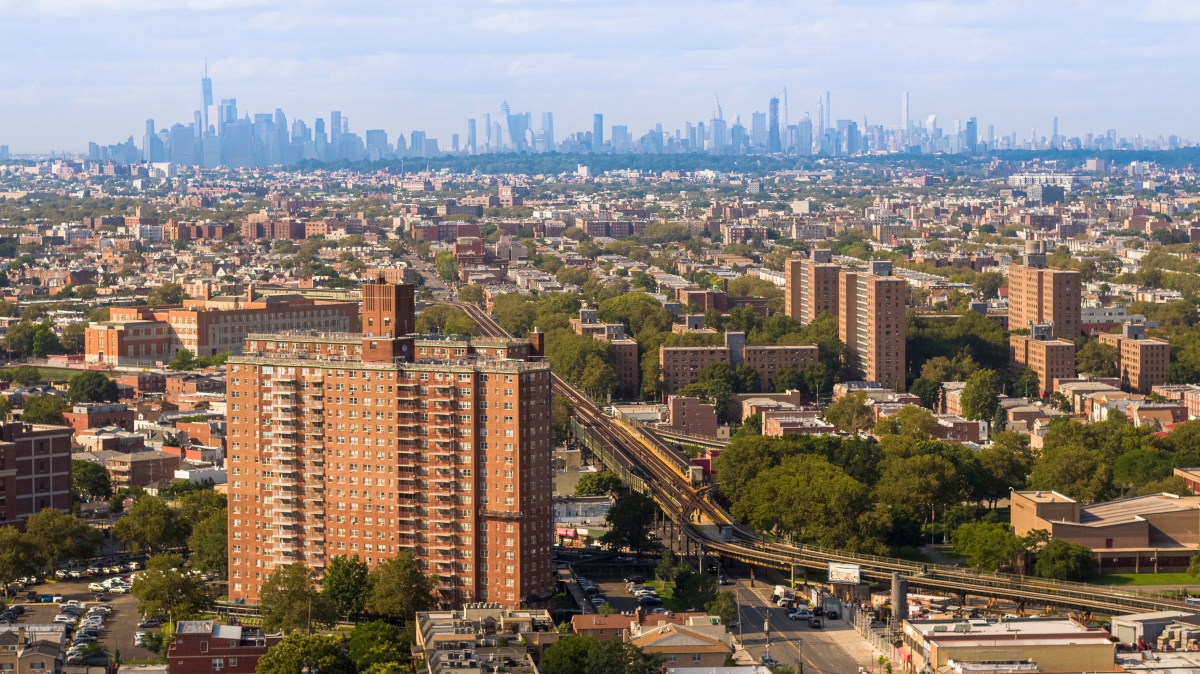
Can a landlord issue a hardship rent increase on a rent-stabilized apartment?
There’s no doubt that many New York renters are financially stressed, including landlords. That’s why landlords of rent-stabilized apartments could seek a hardship rent increase. But how does this work, and what does it mean for those living in such units? We tapped an expert for answers.
“The basic idea of a hardship rent increase is that the owner can’t cover his expenses and needs to raise the rent on rent-stabilized units,” NYC tenant attorney David Hershey-Webb tells StreetEasy. “They have to file an application with the Division of Housing and Community Renewal (DHCR), who will decide if the request is warranted.”
But just because this is an option for struggling landlords doesn’t mean they’ll jump at the opportunity. Why? “The process can take a very long time since several appeals are allowed,” Hershey-Webb says. “A case I worked on took 10 years, and the tenant won in the end. Plus, landlords are reluctant to open their books, exposing their finances.”
Also, tenants play a big part in the process too. “The tenant gets a copy of the application filed with the DHCR, and they have the right to oppose it,” he adds. “Even if the DHCR rules in favor of the landlord, the tenant has an opportunity to appeal it. The process can go all the way to the Supreme Court if the two parties keep appealing.”
With such an arduous process, Hershey-Webb suggests landlords focus on lobbying the state and federal governments for relief. But if a tenant finds themselves being served with a hardship rent increase, they can hire an attorney to contest it.