
New York is a city that rents. While nationally about one-third of the population rents, in NYC it’s two-thirds. And if you’re one of the city’s many renters, it’s important to know your rights.
In 2019, the New York State legislature passed the Housing Stability and Tenant Protection Act (HSTPA), commonly referred to as the 2019 rent laws. The HSTPA ushered in sweeping reforms, many of which strengthened or introduced new protections for renters. Knowing your rights means knowing these protections, and those that were already in place before. It also means knowing about newer regulations, such as the FARE Act, which went into effect in June 2025 and changes who’s responsible for paying broker fees.
This simple guide covers your rights and responsibilities as an NYC renter, what you need to know about the 2019 rent laws and the FARE Act, how to report violations, and helpful city and state resources for tenants.
Note: The content contained in this article is meant as a starting point. Please contact an attorney for legal advice.
Manhattan Rentals Under $3,000 on StreetEasy Article continues below
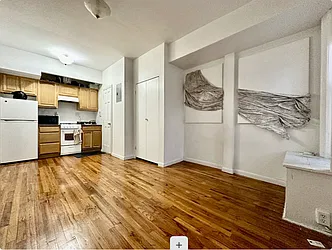
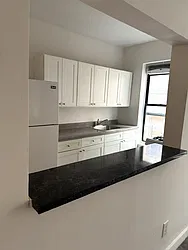
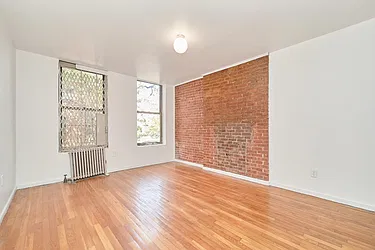
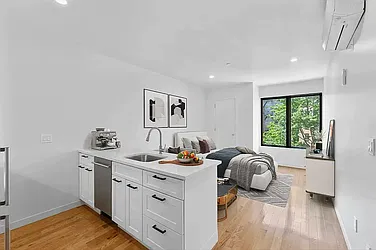
Your rights as an NYC renter
Understanding your rights as a renter starts with simply knowing what those rights are. Here are some key rights and responsibilities all NYC renters should know.
Your responsibilities as a tenant
As a tenant, you’re required to obey the law and comply with the terms of your lease. You’re responsible for any damages you cause to the property, including those caused by negligence or abuse. You must give the landlord reasonable access to your unit to make repairs or improvements, and respond to any legally required notices.
Your landlord’s responsibilities to you
Your landlord is required to ensure a safe, clean, and well-maintained environment both in your apartment and throughout the building. They’re also responsible for maintaining security measures, heating, hot and cold water, and proper lighting.
Discrimination
According to the Fair Housing Act of 1968 and a combination of city and state laws, including New York City and State Human Rights Law, it’s illegal for someone to refuse to rent to you based on the following protected classes or characteristics:
- Age
- Creed
- Disability
- Family status/presence of children
- Gender (including sexual harassment)
- Gender identity
- Immigration or citizenship status
- Lawful occupation
- Lawful source of income (including housing vouchers)
- Marital/partnership status
- National origin
- Predisposing genetic characteristics
- Pregnancy and lactation accommodations
- Prior arrest or conviction record
- Race/color
- Religion/creed
- Retaliation for opposing unlawful discriminatory practices
- Sexual orientation
- Skin color
- Status as veteran or active military service member
- Status as victim of domestic violence, stalking, or sex offenses
The New York City Fair Chance Housing Law also prevents most NYC housing providers from discriminating against renters due to arrest records, convictions, or other criminal history. Effective as of January 1, 2025, it allows housing providers covered under the law to conduct a criminal background check only after reviewing an applicant’s general eligibility and making a conditional offer. Providers can only review limited convictions as part of the background check, and an applicant’s criminal background is not a sufficient reason for a provider to deny housing. Read more about the NYC Fair Chance Housing Law.

Heat and hot water
Renters have a right to working heat and hot water. The city recognizes a “Heat Season” from October 1 to May 31, during which apartments must be heated to certain temperatures: at least 68 degrees between 6am and 10pm if the outside temperature is below 55 degrees, and at least 62 degrees between 10pm and 6am regardless of the outside temperature. Your landlord must also ensure you have hot water 24 hours a day, 365 days a year at a minimum constant temperature of 120 degrees.
Paint
Landlords of buildings with three or more units must paint them every three years. Landlords in charge of one to two units must also paint them as necessary.
What’s considered a “legal bedroom”?
NYC’s Building Code designates what can and cannot be considered a legal bedroom. Building codes are complex, and requirements for bedrooms can vary based on the zoning district, building, characteristics of the rest of the apartment, and more.
Nonetheless, with exceptions, some basic requirements for a legal bedroom are that it must:
- Be at least 8 feet long, 8 feet wide, and 80 square feet in size
- If the apartment has three or more bedrooms, half of the bedrooms can have a minimum length and width of 7 feet
- Have a minimum ceiling height of 8 feet
- For basement rooms, it’s 7 feet; for sloped ceilings, two-thirds of the ceiling must be at least 7 feet high
- Have at least one window measuring 12 square feet or more, facing a street, yard, or other outdoor space
- A skylight is acceptable in some zoning districts
- Have at least two means of exit that don’t require keys or tools (e.g. a door and a window)
- Be accessible from a common area (e.g. hallway, living room, kitchen) without passing through another bedroom
Notice something missing from this list? A closet. That’s right: sadly, there’s no requirement that an NYC bedroom has a closet.

Landlord entry into your apartment
Your landlord can only enter your apartment in certain situations. If there’s an emergency, they may enter without notice. After providing notice, they may enter to make urgent or agreed-upon repairs, to show the unit to potential buyers or renters, or in accordance with the lease.
Lockouts
Under the Unlawful Eviction Law, your landlord can’t change your locks with the intention of locking you out if they don’t have an eviction warrant, or if you’re: a tenant or subtenant with a lease; an occupant who has lawfully lived in the apartment for more than 30 days (with or without a lease); or a subtenant, roommate, or relative who has lived in the apartment for at least 30 days, even if you’re not on the lease and have not made any direct payments to the landlord.
If you’ve been illegally locked out, you can go to the nearest police station to report the incident, or go to Housing Court and open an “illegal lockout” case.
Rent increases
First, you can find out whether your unit is rent-controlled or rent-stabilized by checking your lease, asking your landlord, or accessing your apartment’s rental history from the NYC Department of Homes and Community Renewal (DHCR). If it is, see our guide to how to find a rent-stabilized apartment in NYC which covers legally allowed rent increases on such units.
If your apartment is not rent-controlled or rent-stabilized, your rent can’t be raised more than is permitted by your lease.
Harassment
It’s illegal for your landlord to harass you in an attempt to force you out of the apartment. Examples include physical or verbal abuse, consistent withholding of services, or persistent physical or verbal intimidation.

Pets
It’s up to your landlord whether pets are allowed, and pet policies are typically outlined in the lease. Service animals used by blind, deaf, or disabled people, as well as emotional support animals with an approved Reasonable Accommodation Request (RAR), are exceptions.
For more information on pet regulations, visit the Tenants’ Rights and Responsibilities page on the NYC Housing Preservation & Development (HPD) website.
Brooklyn Rentals Under $3,000 on StreetEasy Article continues below



2019 rent laws: New and strengthened protections all NYC renters should know
The Housing Stability and Tenant Protection Act of 2019 was a major, comprehensive piece of legislation and one of the most significant advancements of tenant rights in decades. It introduced and strengthened a number of protections, but the following are crucial for all NYC renters to know.
Note: Exceptions may apply for rental units in co-op or condo buildings.
Security deposits
A landlord can only charge up to one month’s rent for a security deposit. For instance, if you’re moving into an apartment with a monthly rent of $2,500, your security deposit cannot be more than $2,500. This applies even to renters without a lease.
Advance payment of rent
In addition to your security deposit, you can only be required to pay up to one month’s rent in advance to move into an apartment. So, you cannot be asked to pay first and last month’s rent upfront (on top of your deposit).
Application fees
Landlords cannot charge more than $20 for an application fee, inclusive of a credit and background check. If you can provide your own copy of a credit and background check completed within the last 30 days, the application fee must be waived. However, the $20 cap does not apply to rentals in co-op or condo buildings.
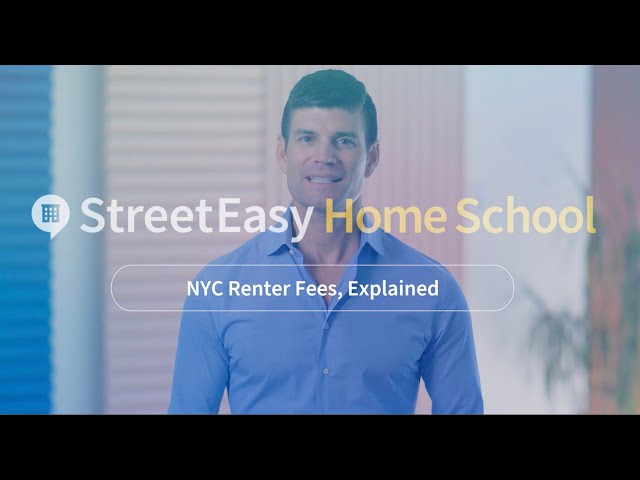
For more on various renter fees, see our guide or watch the below video from StreetEasy® Home School.
Late fees
Your rent must be more than five days late for you to be charged a late fee. The fee can be no greater than $50 or 5% of the monthly rent, whichever is less.
Tenant “blacklists”
You cannot be denied a rental because you’ve had a legal conflict with a previous landlord — a practice known as tenant blacklisting. For instance, if you’ve ever sued a landlord or been taken to Housing Court, a new landlord cannot refuse to rent to you based on this information. If they cannot give a good alternative reason for denying you, the landlord may have to pay a fine.
Breaking a lease
If you break your lease, the landlord must make a good-faith effort to find a new tenant. If they do, provided the new tenant isn’t paying less than you were, you’re off the hook for the rent during the remainder of your lease.
Getting your security deposit back
Landlords are now required to return your security deposit within 14 days of you moving out. If any amount is withheld for damages, they’re required to provide an itemized receipt describing the damage and the cost to repair it. If this receipt isn’t issued within 14 days of your departure, the full security deposit must be returned to you.
If you’re about to move out, you have the right to have your landlord inspect the apartment with you present. At the inspection, the landlord must alert you to anything that needs to be cleaned or repaired, so you can take care of the issues yourself and prevent the costs from being taken out of your security deposit.
Queens Rentals Under $2,500 on StreetEasy Article continues below

Notices of rent increases and lease non-renewals
If you live in a market-rate apartment (meaning it’s not rent-controlled or rent-stabilized) and your landlord plans to raise the rent, they must notify you in writing if the increase is 5% or more. They must also provide advance written notice if they do not intend to renew your lease. This notice (for either a rent increase or lease non-renewal) must be given at least 30 days before your lease expires if you’ve lived in the apartment for less than a year, 60 days if you’ve lived there for one to two years, and 90 days if you’ve lived there for more than two years.
The FARE Act: Changes to broker fees
A guide to NYC renters’ rights wouldn’t be complete without addressing broker fees. For many years, a landlord could hire a broker to help fill vacant units, and the renter would be responsible for paying the broker a fee upon signing a lease.
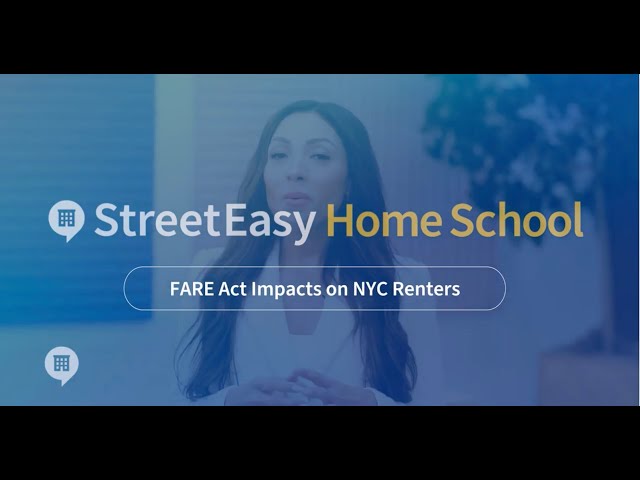
However, this is no longer the case as of June 2025 when the Fairness in Apartment Rental Expenses (FARE) Act went into effect. The FARE Act makes it the responsibility of whoever hires the broker — which, in most cases, is the landlord or property manager — to pay the broker fee. It requires property managers or their brokers to disclose and advertise any fees a tenant must pay on their rental listings and in rental agreements or else risk a penalty, including fines and risk of lawsuit. It also gives renters the choice of hiring a broker to represent them, and ensures tenants aren’t forced to pay a broker fee as a condition of signing a lease agreement.
To learn more about what the FARE Act means for renters, see our explainer or watch the following video from StreetEasy Home School.
How to report violations of your rights as a renter
If you believe you’ve experienced a violation of your rights as an NYC renter, it’s important to report it to regulators and help contribute to a fairer, more transparent rental market for all. Here’s how and where to report.
For broker fee violations:
File a complaint with the NYC Department of Consumer and Worker Protection (DCWP).

If a listing on StreetEasy references a broker fee, we also encourage you to use the Report listing function on the listing page and fill out a brief form explaining the violation.
For other violations:
File a complaint with the NY State Attorney General.
For discrimination complaints:
Report it to the NYC Commission on Human Rights.
More resource for renters
The city and state provide a plethora of official resources for tenants that can be difficult and overwhelming to navigate. That said, a useful starting point is NYC 311. Just call 311 and ask for the Tenant Helpline or contact them through their online form. They’ll help you access information about your rights and point you toward further resources to address your needs. NYC 311 also offers an online portal.
Additionally, the following resources are great places to start:
- The Tenant Support Unit (TSU), part of the NYC Mayor’s Public Engagement Unit, helps New Yorkers navigate public and private resources for their unique housing situation. In addition to administering the Tenant Helpline, the TSU website contains helpful information on tenants’ rights, rent stabilization, eviction protection, and more.
- The NYC Mayor’s Office to Protect Tenants provides clear, plain-language guides to your rights, including explainers on evictions, protections for rent-stabilized tenants, and protections for all tenants.
StreetEasy is also your guide to navigating the NYC rental market as we honor our commitment to a fair and transparent marketplace. Visit our resource hub for renters containing a wealth of articles and videos to help you rent with confidence.
More on NYC renters’ rights
StreetEasy is an assumed name of Zillow, Inc. which has a real estate brokerage license in all 50 states and D.C. See real estate licenses. The content contained in this article is for informational purposes only and does not constitute legal advice.