Key takeaways:
- NYC Heat Season runs from October 1 through May 31, when landlords must maintain legally required indoor temperatures.
- Apartments must be at least 68°F when the outdoor temperature is below 55°F, and at least 62°F overnight (10pm – 6am) regardless of the temperature outside.
- Renters without adequate heat or hot water should first notify their landlord, follow up in writing, and keep records of all correspondence.
- If the problem isn’t fixed within a reasonable time, tenants can report the violation to 311 or begin a proceeding in NYC Housing Court to compel repairs.
- Tenant attorneys we spoke with advise renters not to withhold rent if they’re without heat or hot water, as doing so can lead to financial consequences or eviction. Pursuing legal remedies with strong documentation is generally the better option.
Whoever wrote “Baby, It’s Cold Outside” may not have spent much time in certain New York City apartments. Because baby, sometimes it’s cold inside, too! In fact, during the 2025-26 winter season, there were a whopping 6,144 heat and hot water complaints reported to 311 on a single day (February 8, 2026). That’s not (ahem) cool.
If your own pad is less than balmy, you can do more than invest in flannel sheets and ugly holiday sweaters. You can pursue your rights as a tenant under the NYC Heat Law, which states your landlord must provide heat and hot water. So if you’re freezing, don’t get boiling mad — take action using these tips.

When is NYC Heat Season?
The NYC “Heat Season” is charmingly titled, but a bit of an oxymoron. It runs in the more frigid times: October 1 through May 31. The NYC Heat Law states that you’re entitled to have your apartment kept at a certain temperature during Heat Season. That temperature is 68 degrees during the day if it’s below 55 degrees outside. At night, it’s 62 degrees, regardless of the outdoor temperature. By the way, “night” means 10pm to 6am (sure, this is the city that never sleeps, but those are the times when most folks catch their zzz’s).
Manhattan rentals under $3,500 on StreetEasy Article continues below


What if you don’t have heat or hot water?
“When a home is 62 degrees inside at night, it will likely feel very cold to any reasonable mind, and one may easily feel the unit is not properly heated,” says Jamie Heiberger Harrison, partner at JH Heiberger PLLC. “Now, if a unit really doesn’t have heat or it’s less than allowed by law, then the tenant can vacate and claim constructive eviction and seek compensation.”
What is constructive eviction?
In a nutshell, it’s when living conditions in an apartment are so intolerable that the tenant is compelled to vacate. However, it shouldn’t be your first course of action.
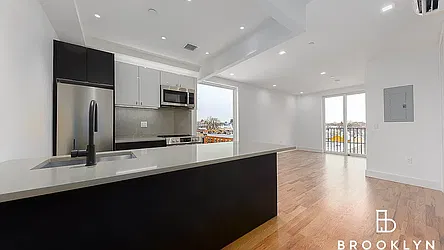
Brooklyn rentals under $3,500 on StreetEasy Article continues below







What to consider
Justin La Mort, a housing rights attorney in Brooklyn, recommends the first thing you do is contact your landlord. Your lease should outline the steps you need to take to report damages and needed repairs, which having no heat or hot water would fall under. If it’s an emergency, call the landlord to notify them of your problem ASAP and follow up with a written notification (email is fine). Be sure to keep a copy of all written correspondence for your records.
If you’re facing a lack of heat or hot water, you may not be the only one. If other tenants in your building are without, it can help to band together. There’s always strength in numbers. After all, think of all the things unions have accomplished. Weekends off! Work breaks!

If your landlord doesn’t fix the problem within a reasonable amount of time, file a complaint with 311. You can also call 311 to report the violation — ask for the Tenant Helpline to speak to a live staff member and receive more immediate support. At this point, you also have the right to sue your landlord for breaking the warranty of habitability. You can begin an HP proceeding in Housing Court. HP stands for “Housing Part,” and is the process by which you can force your landlord to make necessary repairs.
For specific information about starting an HP proceeding, visit the NYC Housing Court website. The court does have filing fees, but can make exceptions for tenants who cannot afford them.
Queens rentals under $3,000 on StreetEasy Article continues below






Can you withhold rent if the NYC Heat Law isn’t followed?
If you’ve ever so much as waited for a subway train in frigid weather, you know how irksome being cold can be. Feeling chilly in your own home is way worse, especially when your landlord isn’t complying with the law.
As much as you might long to stiff your landlord on their next rent check, experts advise that you do not withhold your rent. “The ramifications of not paying rent can result in financial damages or ultimately lead to eviction,” Heiberger Harrison says. Tenant attorney Steven Smollens advises taking your landlord to court instead. “It’s a far quicker method of obtaining justice than waiting to be sued for not paying rent.”

What you’ll need when you appear in court:
- Landlord’s name and address
- Name and address of managing agent (if there is one)
- Forms from Housing Court completed in full
- Correspondence between you and your landlord concerning your issues
- Receipts for services if you paid to have your heat or hot water fixed yourself
- Inspection request (if you want your rental property inspected)
Anecdotally, you may fare better in court if you wear five sweaters, two scarves, and your cutest wool hat (kidding!). The NYC Heat Law and proper documentation should be all you need on your side.
NYC renters have more rights than just heat and hot water. For more information on your rights, including where to get help with a landlord dispute, visit our resource hub.