
Renting in NYC: The Ultimate Guide
Key takeaways:
- Renting an apartment in NYC with bad credit — or even no credit — is possible, though most landlords will still conduct a credit check as part of the application process.
- Sublets can be a useful option for renters with limited credit history, as landlords may be more flexible when the original tenant remains responsible for the lease.
- While many landlords prefer a credit score of around 650+, low credit does not automatically disqualify you from renting, and renters may be able to strengthen their application through other means.
- A guarantor, whether a trusted friend or family member or third-party service, can help renters qualify for apartments by providing financial backing if rent payments are missed.
- Being upfront about your credit situation and demonstrating stable income can improve your chances of approval, especially when working with landlords who accept guarantors.
In a city of more than 8 million people, you can bet not everyone has a stellar credit report. If you fall into this category, don’t worry. Renting with bad credit (or no credit) is possible in NYC, especially if you follow our tips. Here’s how to do it.
Do all apartments check credit scores?
The short answer is yes. Most landlords want to check your credit, but finding an apartment to rent with bad credit is possible. In fact, finding an apartment to rent with no credit is possible, too.
To land an NYC apartment with iffy or no credit, you’ve got a few options. “Probably the most accessible option is to try for a sublet,” says Nikki Thomas, licensed associate real estate broker with Corcoran. Sublets have long been a great hack for landing one of NYC’s no-credit-check apartments. “The landlord is a bit more flexible when it comes to a sublet because they know the tenant is still on the hook,” Thomas adds.
Brooklyn Rentals Under $3,000 on StreetEasy Article continues below



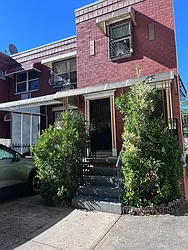
Can I get an apartment with a 500 credit score?
If you’re in a renting predicament, you might ask yourself, do landlords ever accept a low credit score? Like around 500, or even below? “It’s really case-by-case,” says Evan Rugen, licensed associate real estate broker with R New York. Ideally, you’d have a credit score of at least 650. Is yours lower than that? Don’t worry too much. There are ways to boost your credit score fast, like asking for an increased limit.
Finding no-credit-check apartments or places that will accept a renter with bad credit is doable, but it might be harder than it was a few years ago. “Once upon a time, you did have the option of prepaying,” Thomas says. “But a rent law passed in 2019 made that no longer an option.” Tenants with bad credit used to be able to pony up a bit more cash upfront, like a larger security deposit. Now the legal maximum is one month’s rent, thanks to a new law partly designed to protect tenants from sky-high move-in costs.
Get a guarantor
Your landlord will want to know how they’ll get paid if you can’t make your rent. As a solution, they usually ask renters who don’t have a credit history to get a guarantor when signing a lease.
What is a guarantor? Someone who’s legally required to pay your rent if you don’t. So if you have little to no credit history or a low credit score, consider having a relative or close friend be your guarantor, and look for apartments that accept guarantors. It’s often indicated in the listing description, or you can search StreetEasy and filter by “Guarantors accepted” under building amenities.
Manhattan Rentals Under $3,000 on StreetEasy Article continues below
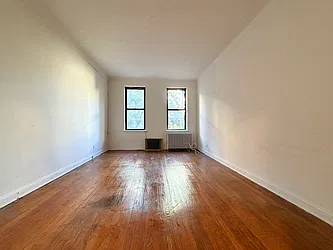
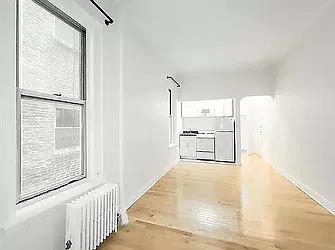


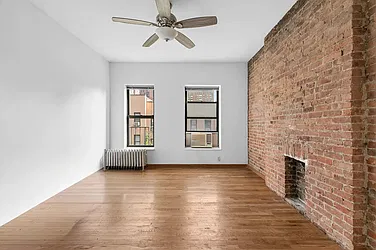





What if I can’t avoid a credit check when renting?
First and foremost, be honest. If your credit score is low, being upfront about it can put you in a good light. Landlords and real estate agents appreciate honesty when working with renters — nobody wants their precious time wasted!
In addition, you could consider a third-party guarantor like Rhino, TheGuarantors, or Insurent, which are basically like “hiring” a guarantor. The service costs money, but it’s less stressful than having to depend on a loved one, and it prevents awkward conversations about money with your fam at the dinner table.
To work with these companies, you’ll need proof of employment to show you have steady income, often required to be 27.5x the monthly rent (landlords typically require earning 40x the monthly rent). So if you wanted to rent a $3,000 apartment, you’d need to make $82,500 with a third-party guarantor, as opposed to $120,000 without one. Hey, nobody said living in NYC is cheap — but it sure is fabulous.
Find your next NYC rental on StreetEasy