
Key takeaways:
- A pied-à-terre is a non-primary NYC residence used occasionally; a part-time crash pad or vacation home rather than a full-time address.
- Pied-à-terre buyers range from regional commuters seeking convenience for late work nights or weekends in the city, to wealthy homeowners with multiple residences as part of a bicoastal or global lifestyle.
- Location preferences vary by lifestyle: luxury-focused buyers often seek newer, amenity-rich condo buildings, while others prioritize convenience near cultural hubs or transit centers.
- Co-ops frequently restrict or prohibit pied-à-terre usage and require transparency with the board, whereas condos are typically more flexible and do not require special approval.
- NYC hasn’t enacted a separate pied-à-terre tax, so buyers currently pay the same taxes as primary residence purchasers.
In the literal sense, this French phrase means “a foot on the ground.” But in the language of New York City real estate, a pied-à-terre is a non-primary residence reserved for occasional use. Pied-à-terre owners typically use these units for short periods, essentially making them vacation homes. Why does this matter? Well, co-op buildings often have restrictions on pied-à-terre usage, and some buyers have questions about the taxes on these types of home purchases.
Here’s everything to know about pied-à-terres in NYC, from common reasons for buying them to where to find them.
Manhattan Homes Under $1M That Allow Pied-à-Terre Use Article continues below




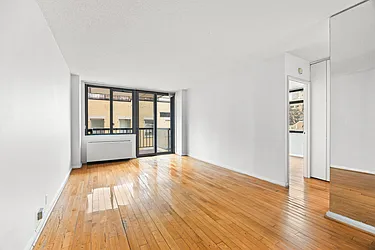


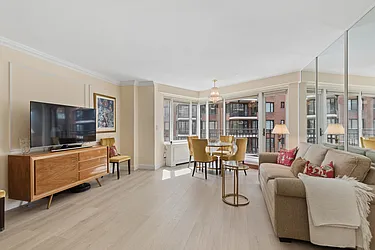
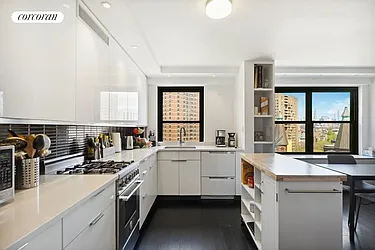

Why would someone want a pied-à-terre?
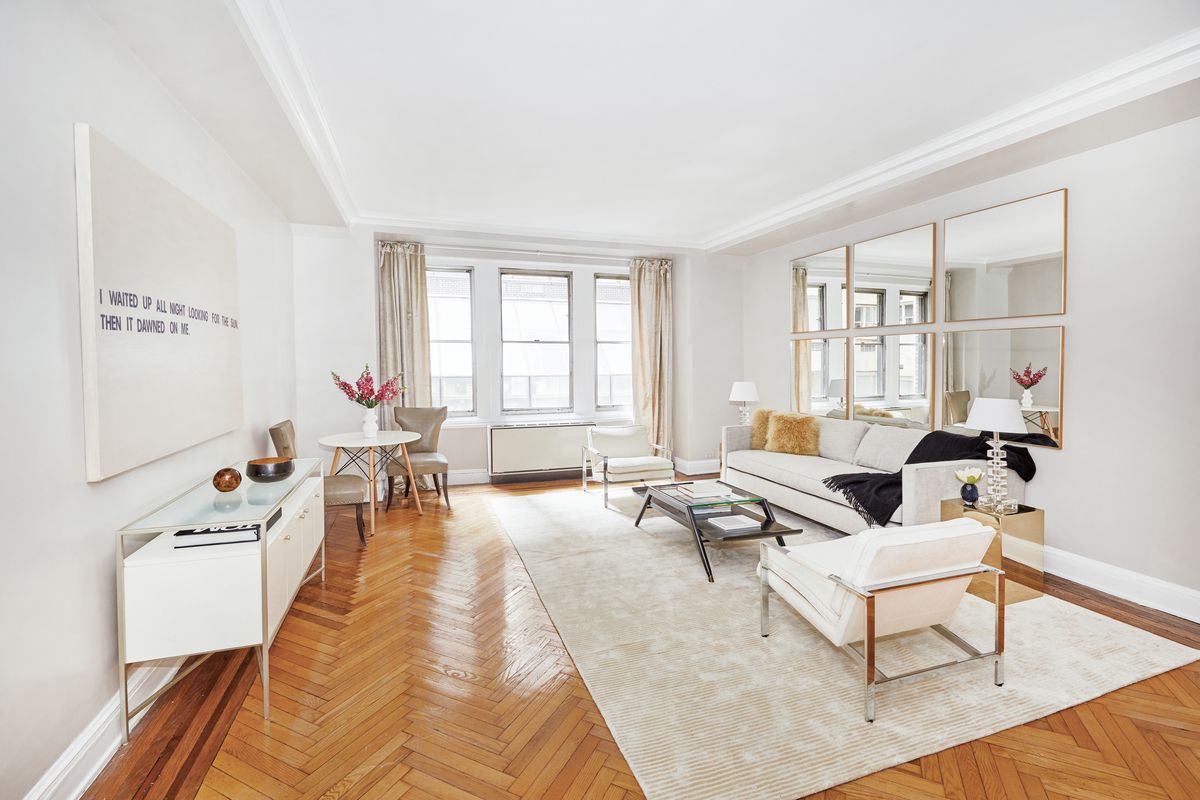
For those who live in the greater NYC area, such as Long Island, Connecticut, or New Jersey, a second home can be helpful and nice to have. It allows for weekends strolling museums, seeing Broadway shows, and enjoying fine dining without the trip back home in the evening. Commuters who occasionally work late also benefit from having a place to stay in the city.
Best of all, a pied-à-terre doesn’t necessarily cost seven figures — a modestly priced studio apartment works. But for wealthy buyers, a pied-à-terre is often a luxury pad. It may be one of multiple homes they own across the country or abroad, or the east coast half of a bicoastal lifestyle.
Brooklyn Homes Under $1M That Allow Pied-à-Terre Use Article continues below

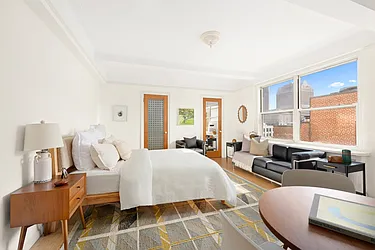

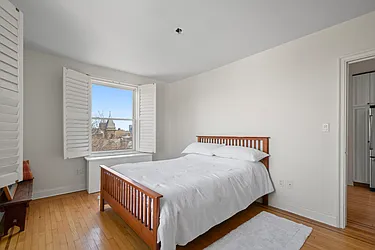
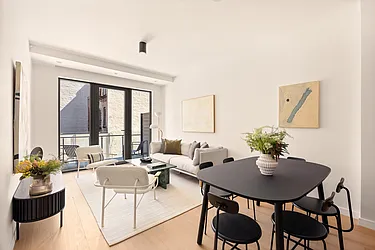
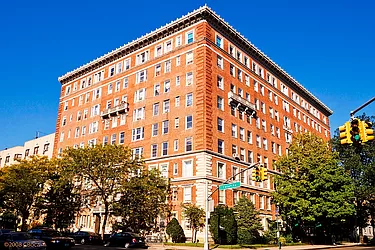



What neighborhoods and buildings are popular for pied-à-terres?
Pied-à-terre buyers can find these units in a variety of neighborhoods, according to Mick DiStasio, licensed real estate salesperson with Brown Harris Stevens and StreetEasy Expert. Often, the location depends on the buyer’s reasons for buying a second home.
“Some people want to have a place part-time that’s very luxurious, in a doorman building with amenities,” says DiStasio. “They are looking for a hotel-like experience.” Buyers like these tend to gravitate toward newer buildings in areas like Hudson Square, which are more developed. They often have amenities like concierges, fitness centers, elevators, and even parking.
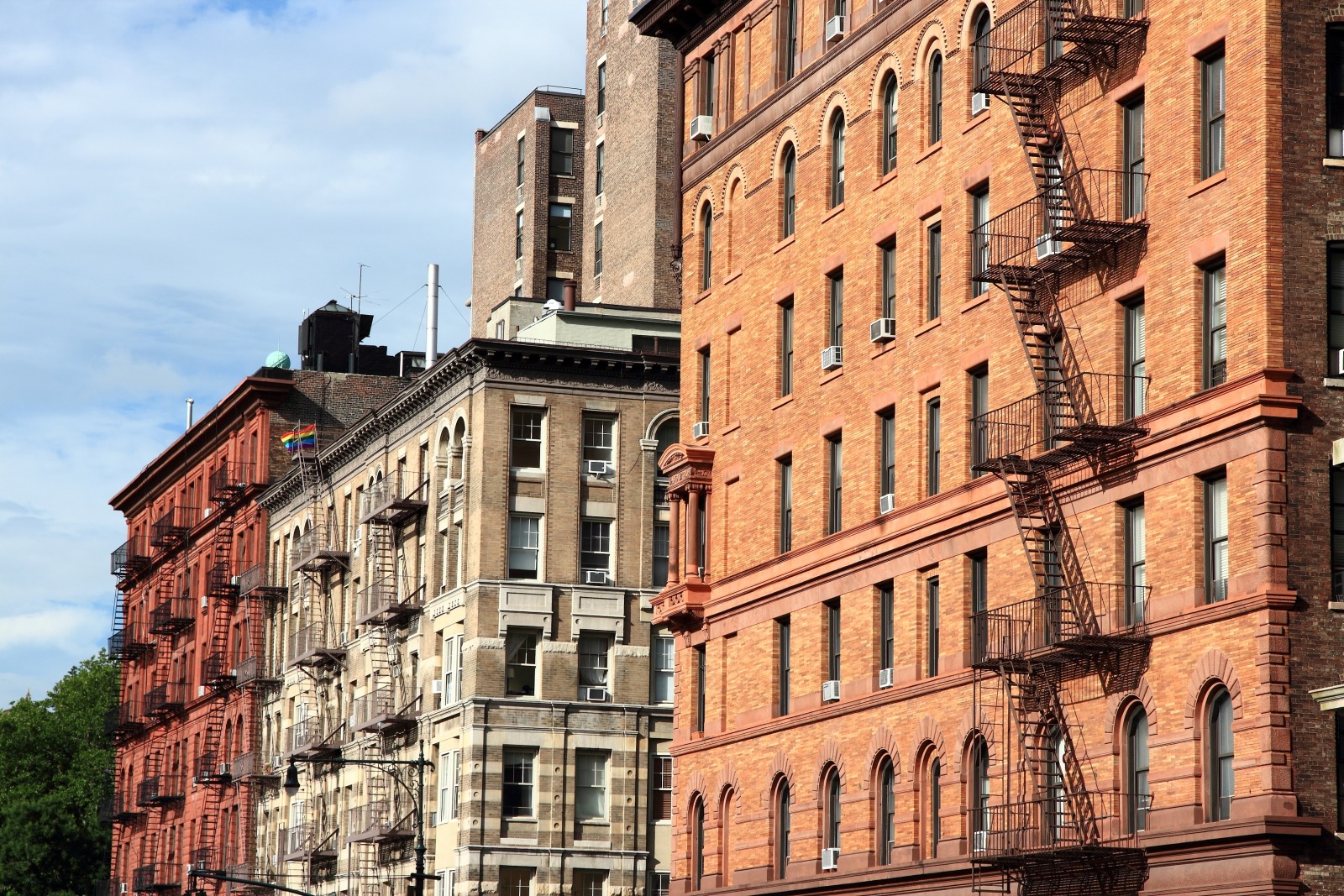
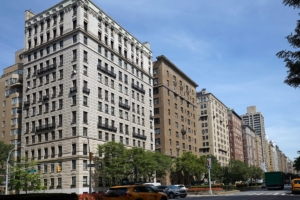
However, tried-and-true co-op buildings on the Upper East Side and Upper West Side can offer timeless luxury and superb locations. Andreas Mann, licensed associate real estate broker at Douglas Elliman, says most of his pied-à-terre clients go for apartments between 50th and 70th Streets.
“I think it’s a matter of convenience,” Mann says. “You’re close to Lincoln Center, the Theater District, and shopping. Plus, it’s easy to get downtown.”
Some pied-à-terre buyers are drawn to Midtown, with its easy access to public transit via Penn Station and Grand Central. Commuters might also appreciate being in the direct vicinity of their office. For these buyers, convenience and location often outweigh amenities, Mann adds.
Queens Homes Under $1M That Allow Pied-à-Terre Use Article continues below



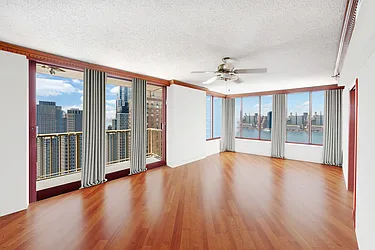
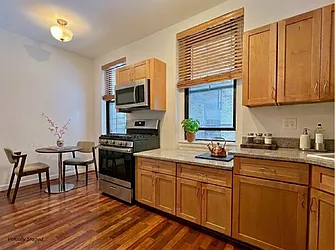
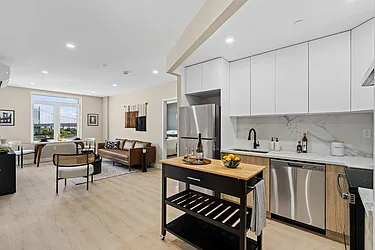


Pied-à-terres in co-op vs. condo buildings
In NYC, co-op buildings tend to have strict rules around pied-à-terre usage. Many explicitly disallow them, while others may allow the co-op board to approve them on a case-by-case basis. If a co-op unit is available for pied-à-terre use, it’s generally well-publicized in the marketing materials. Still, buyers and their agents must be upfront about their pied-à-terre intentions from the very start. “Especially with co-ops, you have to be pretty transparent, or you’re just going to waste your time,” DiStasio says.
Why the rules? Co-op boards often want their buyers to live in the building full-time and be a present part of the community. There are practical concerns, too — if a unit is left unattended most of the time, damages such as leaks might go unnoticed for longer. Learn more about buying a co-op in NYC.
“It’s almost the same reason a lot of co-ops discourage subletting,” DiStasio says. “They just really want people to care about the building, care about the unit, and be a part of everything.”
On the other hand, condos typically don’t require any special approval for pied-à-terre usage. “The majority of my pied-à-terre clients bought in condos, even though they are usually very well qualified to buy in co-ops,” Mann notes.
Are there pied-à-terre taxes in NYC?
When Chicago hedge fund billionaire Ken Griffin purchased a $238 million pied-à-terre penthouse on Central Park South in 2019, he sparked outrage throughout NYC. The state or city could tax such expensive pied-à-terre home sales to bolster public budgets, and over the years, several lawmakers have attempted to do so.
The idea is frequently discussed and resurfaced, but a separate pied-à-terre tax has never been enacted into law in NYC. So, pied-à-terre buyers pay the same taxes for their purchase as primary residence buyers.
A pied-à-terre can be a practical crash pad, a luxurious retreat, or something in between. But in New York City, it’s never just another apartment. From choosing the right neighborhood to understanding co-op board policies, buyers need to weigh convenience, building rules, and long-term goals before making a move. The right pied-à-terre offers the freedom to enjoy the city on your own terms, without making it your full-time address.
Interested in buying a pied-à-terre in NYC? Get in touch with our complimentary StreetEasy Concierge to learn about the process and be matched with a top buyer’s agent.
StreetEasy is an assumed name of Zillow, Inc. which has a real estate brokerage license in all 50 states and D.C. See real estate licenses. StreetEasy Concierge team members are real estate licensees, however they are not your agents or providing real estate brokerage services on your behalf. StreetEasy does not intend to interfere with any agency agreement you may have with a real estate professional or solicit your business if you are already under contract to purchase or sell property.