

Key takeaways:
- Buying a co-op means buying shares — not real property. Instead of owning your apartment outright like a condo, you become a shareholder in a corporation that owns the building.
- Co-ops are typically more affordable than condos. They generally cost 15–20% less than comparable condos, and closing costs are significantly lower due to fewer title-related fees
- Co-op owners pay maintenance fees to cover building expenses. Monthly maintenance fees fund the building’s property taxes, utilities, staff salaries, underlying mortgage, and overall upkeep.
- The co-op board approval process is rigorous and financially focused. Buyers must be approved by the co-op board, which means meeting strict financial requirements (20–30% down, low debt compared to income, strong cash reserves) and complete a detailed application and interview.
- Co-ops offer stability and community — but less flexibility. They tend to have strong financial footing and engaged residents, but impose stricter rules around subletting, pied-à-terres, renovations, and resale compared to condos.
New York City real estate has always been, well…avant-garde. It invented or popularized concepts like rent control and rent stabilization, subletting, and home clubs. These evolved into cooperative buildings, or “co-ops.” When you buy a co-op, you don’t actually own the physical space like you would with a condo. Instead, you become a shareholder in a corporation that is made up of everyone who lives in the building. Buying one also requires you to be approved by the co-op board in a process that includes an interview. To people outside of NYC, the idea may sound peculiar. But co-ops are ubiquitous in the city, and there are many pros (and some cons) to owning one.
Here’s your guide to co-ops in NYC: what they are, maintenance fees, advantages and disadvantages, how to buy one, and reasons the board might reject you (don’t take it personally — we love you anyway).
What is a co-op in New York City?
In an NYC co-op, the building itself is considered a corporation, and each apartment “owner” is actually a shareholder in the corporation. The number of shares differs depending on the apartment; typically, the bigger the unit, the more shares it represents. So one owner might hold far more shares, or far fewer, than their neighbor down the hall.
As with any corporation, a co-op is run by an elected board of directors (fellow shareholders). This is the famous — or infamous — co-op board. Along with the management company, the board makes decisions that support and maintain the building. Its job is to ensure the building is financially stable, that problems or conflicts are resolved, and that things run smoothly and efficiently. The co-op board also approves or rejects buyers looking to purchase a unit in the building.
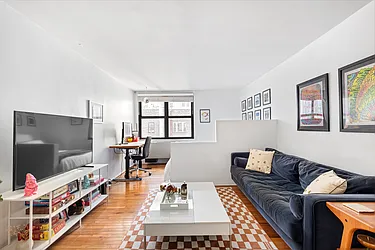
Manhattan Homes Under $1M on StreetEasy Article continues below

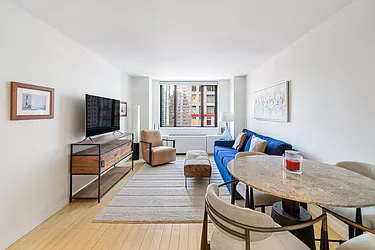
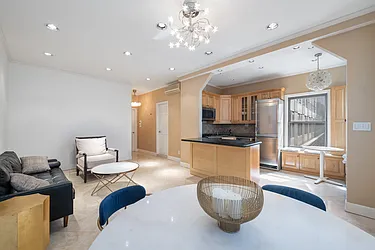


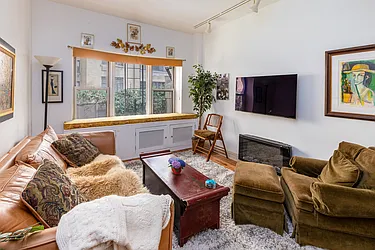
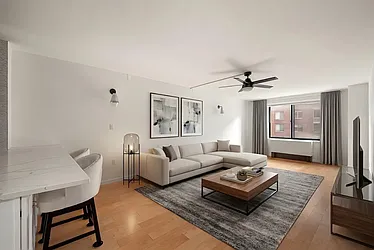




What are co-op maintenance fees?
In a co-op, all shareholders have a stake in making sure the building is a nice place to live and provides a high quality of life for residents. This requires keeping the building well-maintained. To pay for this upkeep, each shareholder pays a monthly maintenance fee. These fees collectively cover the building’s property taxes, utility bills, any underlying mortgage, staff salaries, and more.
How much shareholders pay in maintenance fees is determined by how many shares they own. So again, the amount you pay may be more, or less, than your neighbor.

What are the pros of buying a co-op?
There are lots of reasons why so many New Yorkers prefer co-ops, including but not limited to:
They’re less expensive than condos
Generally, co-ops cost less than condos in NYC. “Co-ops are a good 15-20 percent cheaper,” says Polly Milligan, a licensed associate real estate broker with Douglas Elliman. There are many reasons for this, but mainly, they tend to be older buildings than condos. Even a relatively young co-op probably doesn’t have the hyper-modern technology and amenities that new construction boasts, and that’s reflected in the cost.
In addition, co-op closing costs are less expensive than those of condos. Because a co-op is not a physical piece of property like a condo, purchasing one doesn’t require much of the title insurance, taxes, and fees that condo buyers have to pay. “It can cost $5,000-$8,000 to close on a Manhattan co-op that’s under $1 million, compared to an average $20,000 for a condo,” Milligan says.
There’s more inventory to choose from
Co-ops began back in the 19th century, while condos didn’t become common in NYC until the 1970s. That means most of the beautiful old brownstones and elegant prewar buildings people love are co-ops. It also means there are more of them: co-ops make up about 75% of the city’s housing stock.

They tend to be financially stable
The residents themselves own the co-op building, not a wealthy investor, and that’s partly why co-op boards are notoriously selective. They’re deeply invested in ensuring everyone who joins their corporation can bear their share of the financial burden, comfortably and for the long term. “You almost have to be overqualified to own a co-op,” says Milligan.
This all translates to stable property values and financial security, including in times of economic upheaval. For example, during the Great Recession of 2008, the housing market across the country was close to collapse. But in NYC, the local real estate market avoided a complete nosedive. It was buoyed by co-ops, whose owners all had to pass strict lending requirements and therefore didn’t default on their mortgages.
They’re like a community
Co-ops have strict vetting processes for potential buyers. But as an owner, a co-op can be an active, tight-knit community in ways that condos aren’t. For instance, many co-ops limit or outright prohibit owners from using their unit as a pied-à-terre (secondary home) or renting it out, temporarily or long-term. So, your neighbors will actually live in the building, and there won’t be an Airbnb-like rotation of strangers roaming your halls.
Added bonus: this is also a security perk. Though co-ops and condos alike often have doormen and various security measures in place, co-op dwellers may be more likely to notice a strange face or intruder in the building than those in a more transient condo or rental building.
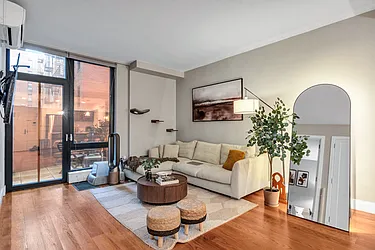
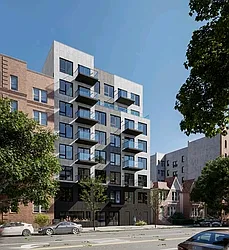
Brooklyn Homes Under $1M on StreetEasy Article continues below



They offer more leverage in disputes
Let’s say you have a neighbor who is particularly noisy. In a condo, there’s little you can do about it beyond talking to them. By contrast, a co-op board can impose fines on shareholders who repeatedly break the house rules, and can even evict an offending shareholder if necessary. So you — through the co-op board — have more options than a condo owner would in such situations.
What are the cons of buying a co-op?
Co-ops are not everyone’s cup of tea. Some disadvantages of buying one include:
They want to know everything about you
Be prepared for your co-op application to require seemingly every detail about your life. Many people find this off-putting, or just plain rude. But remember: in a co-op, if one shareholder falls into debt, the whole building suffers, so boards need to be sure you can pull your weight. “It can seem invasive,” says Milligan. “But really, it protects everyone. You want to trust that anyone who comes in is solid. Think of it as security for the building’s future.”
They’re usually not modern construction
Co-ops tend to be older buildings, which can be a good thing: solid construction, character, prewar details, etc. But it also means they’re less likely to have the fancy amenities, features, and technology that modern condo buildings boast. It can also make co-ops more expensive to maintain. For example, if the building’s elevator hasn’t been updated since there was an attendant to pull the levers, it’s going to take a lot of capital to keep it running smoothly or repair it if needed.
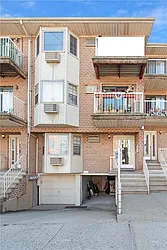
Queens Homes Under $800K on StreetEasy Article continues below

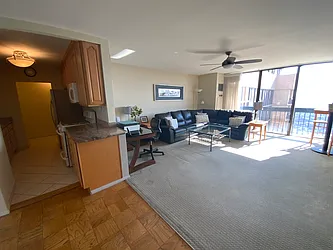
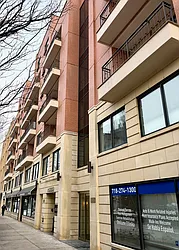
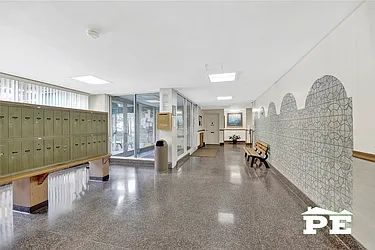
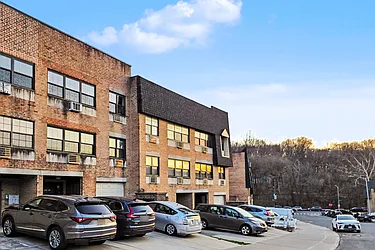
They offer less flexibility
As mentioned, co-ops have strict rules for both buying and living in the building, even if you’ve been an upstanding resident for decades. You might not be allowed to use it as a second home, sublet the unit to a stranger or even a close relative, or make certain renovations. For purchasing, there are requirements and restrictions on financing, income, debts, parents buying for their children, etc. And when it comes time to sell, the new buyer has to pass this vetting process too. This simply isn’t true for condos, where there aren’t as many hoops to jump through. As long as you can make the minimum down payment and obtain a mortgage, that’s usually sufficient, and owners are subject to fewer rules once they move in.
They take longer to close
Because co-ops have their eye on financial stability, they can (and do) ask for every little detail that might affect their bottom line. They may ask for additional documents as they review your application, which can draw the process out. All in all, it can take two to four months to close on a co-op. A condo, on the other hand, usually takes no more than two months.

What’s the process for buying a co-op?
As you can tell, buying a co-op is a highly involved process. Financially, they usually require a 20% minimum down payment, but sometimes 30% — or even more. They also require a low debt-to-income ratio and significant post-closing liquidity. They may even require enough cash reserves to sustain you for up to two years in case you lose your job. Whew!
That said, here’s the basic step-by-step buying process for co-ops:
- Get pre-approved for a mortgage. Before you start your search, consult mortgage lenders to find out how much financing you can obtain, which will help the process move more quickly once you find a place you like.
- Find a buyer’s agent, perhaps with our help. Start by contacting the StreetEasy Concierge and providing some information about what you’re looking for in a home. Our Concierge can match you with a StreetEasy Expert, an agent or team with verified experience helping buyers purchase similar homes. Your agent will guide you through the entire buying process and represent your best interests.
- Find a real estate lawyer. Your agent can recommend one and connect you.
- Tour homes and attend open houses. Again, your agent will help you find listings and schedule showings. You can use StreetEasy to search for co-ops by filtering by home type.
- Make an offer. Expect some negotiation on price and the terms of your offer. Your agent will assist you in coming up with the offer and negotiating with the seller.
- Sign the contract if your offer is accepted.
- Compile and submit your application to the co-op board. Respond promptly and thoroughly to any requests for additional information or documents.
- Come in for a co-op board interview if all goes well with your application. Make sure you’re well-prepared for the interview, and ask your agent for any pointers — there’s a chance they’ve helped other buyers with the exact same board in the past.
- Wait for the board’s decision. If you’re approved, you’ll be cleared to set a timeline for closing.
- Close and move in. Congrats and welcome home!
What are the top reasons for a co-op board rejection?
There are any number of reasons a co-op board might reject an applicant. And they aren’t required to tell you why (though there have been numerous attempts to change this). Still, it’s understandable to wonder why your application was rejected, and make adjustments the next time you apply in another building.
Here are a few common reasons for co-op board rejections:
- A disorganized or incomplete application. This can speak volumes about how you manage your finances. Follow the application instructions meticulously, and if there’s anything you don’t understand, just ask.
- Insufficient financial stability. Co-op boards are notorious for asking seemingly nosy questions, but there’s usually sound financial reasoning behind it. For example, if you’re going through a divorce, will you be paying alimony or child support? Do you shop frequently and carry a high monthly credit card balance? Do you pay off your credit card every month? All of these factors can change your DTI, which affects your financial standing in the eyes of the board.
- A low accepted offer. While you may feel like you and your agent negotiated a great price, the board may feel the unit’s sale price is too low. They may reject applications based simply on this number. Why? It affects the overall property value of the building. Make sure your agent does thorough comps, so you know you’re making an offer that won’t get rejected by the board.
- Unpredictable patterns of behavior. Do you hop from job to job every couple years? Do you like to throw wild parties? Is your social media presence a little bit…compromising? Shareholders want to make sure you’re someone they’d want to live next door to.
Buying a co-op can be an arduous process for sure. There are plenty of infamous stories of co-op rejections, even of the rich and famous. But in general, you need to do two things: meet the financial requirements, and come across as someone who’d be a respectful, responsible, nice neighbor. Ultimately, it’s worth every bead of sweat to own a home you love.
StreetEasy has plenty of tips to help you through, and for extra personalized guidance, reach out to our Concierge. They’ll connect you with a StreetEasy Expert buyer’s agent or team with verified experience helping buyers purchase similar homes, or even dealing with the same co-op board. Having an agent with specialized expertise in your corner can give you a real leg up and help you put your best foot forward.
Interested in buying a co-op in NYC? Get in touch with our complimentary StreetEasy Concierge to get connected with a top buyer’s agent or team with experience in co-ops.