building at 2 Tudor City Place

Started by Asking
about 12 years ago
Posts: 2
Member since: Dec 2013
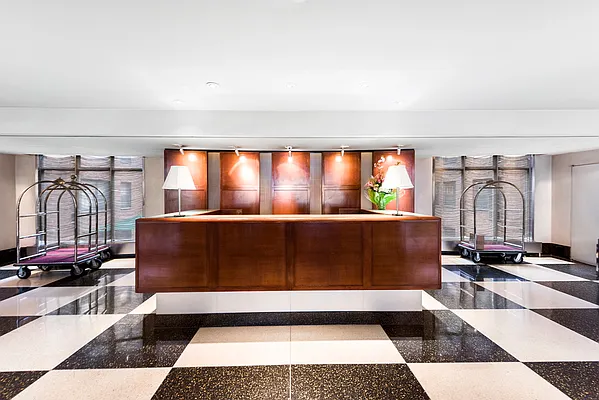
Discussion about 2 Tudor City Place in Murray Hill
Add Your Comment
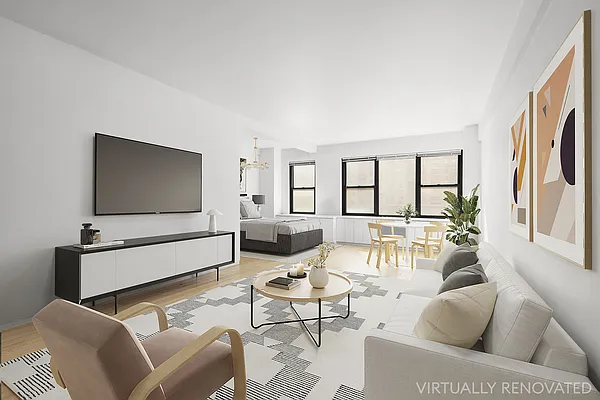
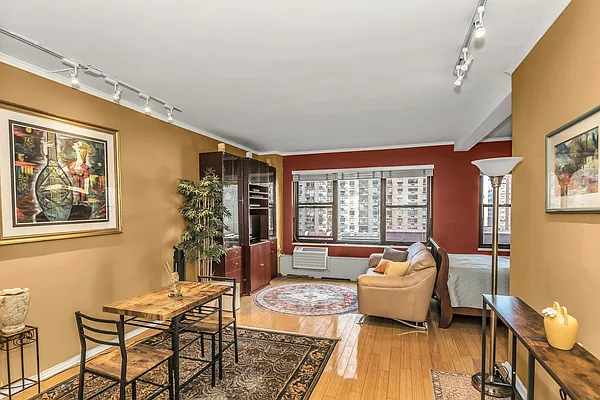

Most popular
-
22 Comments
-
28 Comments
-
11 Comments
-
54 Comments
-
33 Comments
With landlease till 2150 it has to be another major concern with the building...
...
none of RE agents we asked can give a clear answer...
What's fishy about it? Apartments in land-lease co-ops cost less because the co-op doesn't own the land. It's up to you to figure out whether the numbers work.
It's an unusual lease in that the co-op pays a fixed rent, with annual inflation adjustments. Usually it'd be something like 6% of the shovel-ready value of the land, with that value re-determined every five years or so.
$700 per sf vs $1,000+ is 30% less...this can't be contributed by land leas ending in 100+ year....also the apartments are on the market for months in this hot market - that's what is fishy NWT
There're always lots of factors why one co-op's apartments go for more or less than the one down the street.
If you think that not owning the land isn't enough to account for enough of the difference, your next step would be to look at the financials. For instance, this co-op's prices have always been pushed down by its relatively-heavy underlying mortgage. $12,000,000 in 1985, which was huge in 1985, and $14,100,000 now, which is only $40,000 per average unit. Their last re-fi was in early 2013, so they're vulnerable to higher rates when that one comes due.
NWT, I don't understand all the nuances of land leases, but why would there be an underlying mortgage if they didn't own the land? The building itself was constructed in the '50s, so there can't really be a mortgage for that. Your insight would be appreciated. Thanks
A co-op can borrow against a leasehold interest just as it can borrow against a fee interest. If it defaults, the lender forecloses and becomes owner of the leasehold interest.
The co-op eventually won't be able to re-fi the loan, as the lease term winds to a close, so will have to either repay it or default.
IIRC, the $12,000,000 from 1985 was assumed by the co-op from the sponsor, who'd been adding to it ever since the building went up. This co-op tends to pay down some principal over each term, then borrow even more than that at re-fi, so the amount has kept increasing.
NWT, thanks. So, it's safe to say that the maintenance will go up to reflect the usual cost of business increases, and then some more for whatever the new finances are going to run. And of course, the ground rent increases. Is there a way to get a handle on this to see what a buyer might be getting into? I like 1950's buildings because they are constructed like pre-war but often have the space of newer buildings, and I like Tudor City. I see that the maintenance is about 50% TD, which I gather is the interest on the loan, and with 150 years left on the lease, I'm not too concerned about it since I'll be long gone (my heirs' heirs can deal with it), but I'm concerned about major increases in the monthly fees.
It's the same future-predicting as anything else. The one good thing is the ground rent increasing every year only by CPI or whatever index the lease specifies, instead of having it tied to the value of the land. It's a published number, so no having to pay lawyers every five or ten years to fight with the landowner over the appraisal. You're screwed if inflation zooms when land values don't, of course.
Oops, I take that back about the CPI. If it goes up more than 7% in a year, the increase is phased in, so the co-op won't hit with it all at once. It has to be paid eventually, but not in one fell swoop. The lease extension and rent terms are at http://a836-acris.nyc.gov/DS/DocumentSearch/DocumentImageView?doc_id=FT_1720007805072
What a depressing place!! No one has a view, unless you like looking into another building's windows. The other Tudor City buildings are nicer. At least some look at the river or back at the Western part of the city. It's true that the units are larger, I guess because this was built in the 50's as opposed to the 20's. Give me pre-war with a view any day.
NWT, Thanks again - the lease document is very helpful. I'm not an attorney, but the ground rent terms seem straightforward enough: annual base rent + CPI increase. Inflation hasn't been above 5% in 20+ years , so apart from this, maintenance increases should be limited to financing concerns and routine cost of business, which every co-op has. So, I gather if I can figure out how much of a particular unit's maintenance is attributable to the ground rent, then I could know what to expect - give or take - what that portion of the maintenance will increase. Base rent + annual increase from 2002 onward should give me today's total rent / # of shares issued. I think. Maybe not.