

How to Sell Your NYC Home
When it comes time to sell, homeowners have a lot to consider, including the inevitable question: “Do I need a listing agent?” Of course, navigating New York City’s unique housing market is no easy task. However, having already purchased at least one home, some sellers believe they have the know-how to get the job done on their own. Meanwhile, others prefer the value and assistance that a listing agent, or seller’s agent, can bring.
Which approach is best for you: selling with, or without, an agent? Let’s break down the pros and cons of each.
NYC homes under $1M on StreetEasy Article continues below








Pros of selling your home with an agent
NYC’s housing market is complex and ever-changing. A great listing agent will have a deep understanding of it, which is a major reason to hire one to help sell your home. Specifically, the pros of using an agent include:
Pricing your home
An agent’s most significant value is their knowledge of the market, says Jeanne Byers, licensed real estate salesperson with Coldwell Banker Warburg. “It’s a broker’s full-time job to know current and historical market values. Also, the ability to prepare a property to get the highest possible price is something to look for in an agent or team.”
Understanding market conditions and evaluating comparable homes (“comps”) is critical to pricing your home to sell. A listing agent will also factor in things like price-per-square-foot, monthly carrying costs, and co-op considerations (if applicable). You don’t want to price too low and lose money, of course, but a good agent will price your home in line with what the comps and market analysis show. A well-priced home can create urgency — and buyers react to urgency.
Getting your home in front of more buyers
The right listing agent can — and should — market your home to the most possible buyers. StreetEasy research found that 1 in 3 NYC sellers who listed their home privately reported experiencing seller’s remorse, and homes that receive more views and saves from potential buyers are more likely to sell faster at a higher price. If you choose to work with an agent to list and market your home publicly, that means casting a wider net of buyers who may want to purchase your home, at a price and timeline that aligns with your goals. It’s what you and your home deserve, and what buyers and the NYC market deserve.
Learn more about “Open markets. Open doors.” — StreetEasy’s commitment to keeping New York City real estate visible and accessible.
Qualifying potential buyers
It takes more than just a great offer to close most deals — you need the right buyer, too. Take the complexities of co-ops, for example. “Making sure a buyer meets the financial criteria of the co-op board will determine whether a deal gets done,” says George Case, licensed real estate salesperson with Coldwell Banker Warburg.
“Buildings vary widely in what they look for in a prospective buyer,” Case adds. “Considerations like an individual’s debt-to-income ratio and post-closing liquidity often come into play. Also, co-op boards may reject a deal if a sale price could negatively affect the value of other apartments in the building.”

Negotiating the terms of a deal
Price may seem like the most significant negotiation point in a home sale, but other factors can be just as important. Listing agents can manage expectations for both buyers and sellers, as well as other terms of a deal, including:
- What the sale includes or doesn’t include
- Property disclosures and other state forms
- Home inspections
- Closing timeline
Managing the transaction from offer to closing
Selling a co-op? Co-op board approval can be a drawn-out process, and other issues might crop up that require careful navigating. Skilled, experienced listing agents know how to get answers and do what needs to be done to minimize the stress of a co-op transaction. If you’re selling a condo, the board approval process is much simpler, but condos have their fair share of headaches too. Closing costs for condo buyers are higher, and there could be title issues such as liens, judgments, or unpaid taxes.
Pros and cons of selling without an agent
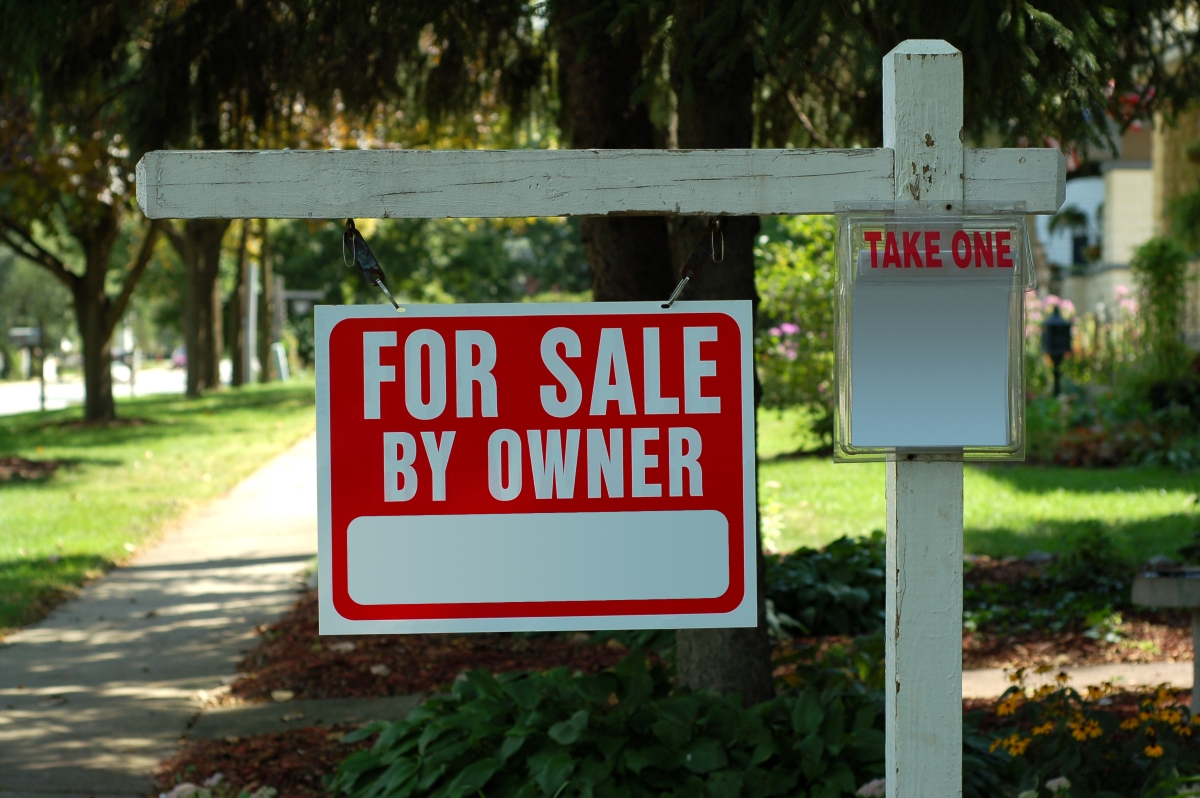
It’s rare for homeowners to sell their home without an agent, also known as For Sale By Owner or FSBO. According to Zillow research, almost all sellers (89%) nationwide indicated some kind of agent use when selling their home.
Ryan D. Harbage, a literary agent and founder of the Fischer-Harbage Agency, sold his remodeled Stuyvesant Heights townhouse for $1.73 million without an agent. Some sellers, like Harbage, prefer to deal directly with principals in a real estate transaction. “I like to hear their voices, see their faces, and convey information the way I like it conveyed. There are many good reasons for hiring a real estate agent. It’s just a service I don’t need,” he says.
Selling without an agent is possible, but comes with some pros and cons.
Pro: No commission costs
Buying or selling a home is the largest financial transaction most people ever undertake. Hence, it’s natural to wrestle with the math — especially when sellers in NYC face paying up to a 6% commission to the agents involved in the transaction. That said, pricing your home without an agent requires a keen understanding of the market to get top dollar and close the deal.
Con: Inexperience can lead to bad pricing
In many cases, that deep market understanding is what allows listing agents to price homes effectively. Without this experience, your home’s asking price may be too low or too high.
“An agent will often get a seller a higher offer,” says Linda Maryanov of Zimmerman and Maryanov, a real estate attorney with more than 35 years of experience representing NYC home sellers.
Listing agents spend hours every week analyzing comps so they can determine the right price for a listing. Henry Hershkowitz, licensed associate real estate broker with Compass and StreetEasy Expert, says agents have much more information about the market than those outside the industry. Agents can access sales that haven’t yet been finalized, whereas the average FSBO seller can only see public, closed sales. Many sales aren’t officially closed until a few months after signing, meaning you won’t have up-to-date prices.
“The market — especially today’s market — was very different six months ago than it is today. Even if something closed yesterday, it probably got signed four or five months ago,” says Hershkowitz. “So by having a broker, you’re actually able to know what’s happening now, what things are selling for today.”

Con: Emotions can cloud your judgment
As the home’s owner, you’re bound to have your own opinions, memories, and sentiments about it. While that’s usually great, it isn’t always great when you’re representing your own sale. Not only can your emotions cloud your judgment on pricing; they can also make it harder to show your home to prospective buyers.
Josue Galdos, licensed real estate salesperson with Compass and StreetEasy Expert, has noticed that buyers are less likely to ask questions and nitpick homes when sellers are showing them without an agent. These buyers often feel like they’re trespassing or judging the seller’s personal choices.
“As opposed to if it’s just the seller’s broker and us, they know that they can speak freely, and they can open the windows and closets without thinking about how they’re in someone else’s apartment,” Galdos says.
Hershkowitz agrees, noting that hearing sellers’ qualms about the home can make the transaction feel personal rather than professional.
“You’re going to be emotional about it no matter what. It’s your biggest asset. You created this home,” he says. “If somebody offers you a small number, or if they don’t like it, or say something negative about it, you’re going to be emotional in your response instead of measured like a professional real estate broker would be.”
Con: FSBO is time-consuming
There’s a reason why being a real estate agent is a full-time job. It takes a lot of time to sell a home, between staging, taking photos, writing the listing description, listing it online, marketing, showing it to buyers, hosting open houses, and much more.
“A lot of people think it’s just opening a door and showing an apartment,” Galdos says. “But it’s more than that.”
If you have a full-time job, coordinating tours, calls, and negotiations can be challenging. Plus, agents have connections to other professionals who can help with the heavy lifting, like stagers and photographers. Hershkowitz always pays for the photographer himself. In his eyes, the commission is very reasonable.
Deciding whether to sell your NYC home with the help of a listing agent depends on your individual circumstances, and comfort level with the complexities of the market. While an agent brings valuable expertise, market knowledge, and negotiation skills that can streamline the process and potentially yield a higher sale price, FSBO offers the advantage of saving on commission fees. Ultimately, the best approach is one that aligns with your personal preferences, goals, and willingness to navigate the intricacies of the NYC market.
Should you choose to take on the challenge yourself, tools like StreetEasy Valuation offer a starting point in determining how much your home is worth. If you’d rather enlist the help of an agent, reach out to the StreetEasy Concierge to be matched with a listing agent with experience selling homes similar to yours.
StreetEasy is an assumed name of Zillow, Inc. which has a real estate brokerage license in all 50 states and D.C. See real estate licenses. StreetEasy Concierge team members are real estate licensees, however they are not your agents or providing real estate brokerage services on your behalf. StreetEasy does not intend to interfere with any agency agreement you may have with a real estate professional or solicit your business if you are already under contract to purchase or sell property.