Renting in NYC: The Ultimate Guide
Key takeaways:
- Do your research on a landlord or building before signing a lease. Complaints about pests, repairs, trash, heat and hot water, and other issues can reveal problems that may not be obvious from a listing.
- Publicly available, official NYC databases include documented complaints and violations, while Google Reviews, Yelp, Reddit, and landlord review sites can provide firsthand experiences.
- Renters can search NYC Department of Buildings (DOB) records to access complaints, violations, and whether violations remain open or have been resolved.
- The Department of Housing Preservation and Development (HPD) is another key source for public records of housing-condition complaints.
- Most buildings have occasional violations, so pay particular attention to the type, frequency, recency, and status of the violations when evaluating a landlord or building.
There’s a lot to consider when choosing an NYC apartment to rent, from the unit itself to the building it’s located in. You probably also want to know if there have been any complaints against the building’s landlord or management company. For instance, has the building dealt with bed bugs, trash removal issues, broken windows, or lack of heat and hot water? Luckily, there’s a simple way to get this information — including historical violations — so you know more than what the listing will likely tell you.
Here’s how to check a landlord for past building complaints using publicly available resources, from review sites to official NYC sources.
Manhattan Rentals Under $3,500 on StreetEasy Article continues below
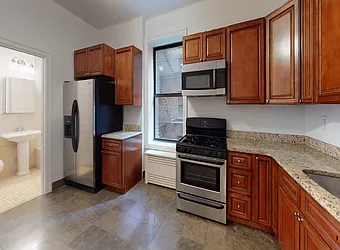
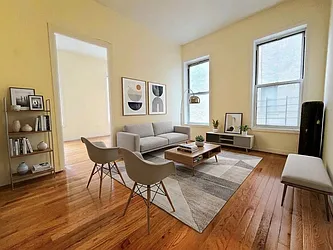
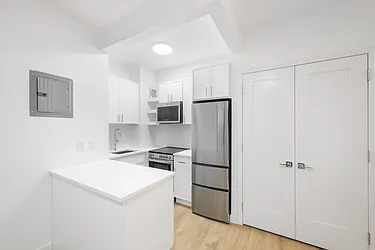


Find NYC building complaints on review sites
We all know New Yorkers aren’t afraid to share their opinions on everything from restaurants to doctors to dog parks. Thankfully, this impulse extends to publicly sharing their experiences with NYC rental buildings. Tenants often leave reviews of buildings and management companies on sites like Google Reviews and Yelp. Search your prospective building’s address or name on these sites and see what you find. It’s a good idea to sort the reviews by most recent, as many sites don’t automatically display them this way. Other review sites specifically for buildings and landlords exist — do a quick Google search to see what’s out there. If all else fails, you can always try good old trusty Reddit.
Research NYC landlord complaints with the Department of Buildings
Aside from Googling for reviews, there are official NYC sources containing building complaints. The best place to start is by searching the NYC Department of Buildings (DOB) information system. Finding your building is easy:
- Go to the Building Information Search portal
- In line 1, select your borough from the dropdown menu
- Enter the building number in the “House No” field
- Enter the street in the “Street” field
- Click “Go”
The results will show you all complaints and violations filed with the DOB. If the “Open” column says 0, the complaints or violations have been resolved. Otherwise, the number indicates how many have not yet been taken care of.
Brooklyn Rentals Under 3,000 on StreetEasy Article continues below


“Typically, when a person files a complaint against a landlord, they will call 311, and that will lead to an inspection of the building,” Shaun Pappas, partner at Starr Associates LLP, tells StreetEasy. “At the inspection, the DOB may issue a violation, and that is recorded on their system and website. It could be an elevator violation, for instance. Then the owner will need to clear the violation by addressing it.”
Keep in mind that most buildings have complaints or violations issued from time to time, and it doesn’t mean the landlord is actively doing something wrong. The type and frequency of the violations, however, can help shed light on potential issues.
Consider the dates of the complaints — are they recent or from many years ago? “A one-time issue can be overlooked. However, if the issues are plentiful and ongoing, there is a cause for concern,” says licensed real estate salesperson Karen Kostiw of Coldwell Banker Warburg.
Check the Department of Housing Preservation and Development
Another city government source for researching NYC building complaints is the Department of Housing Preservation and Development (HPD). Like the DOB, any official violation or complaint (made via 311) that has been documented is public record through the HPD website. It only includes complaints from the last year, but is another resource that documents many different types of complaints, from mold to vermin.
Queens Rentals Under $2,500 on StreetEasy Article continues below

NYC’s Worst Landlord Watchlist
Yes, you read that correctly — the Office of the NYC Public Advocate maintains a watchlist of the “100 Worst Landlords In NYC.”
The list is objective: it’s based on how many buildings and units a landlord has on the watchlist by numbers of DOB violations, unresolved HPD violations, and recent evictions and tax liens. You can search by landlord or building, and there’s also an interactive map.
Increased protections for renters
Though the city’s agencies are there to help field and file NYC building complaints for tenants to access, they’re also continuously working to improve living conditions for renters in general.
For example, in 2017, the city announced Right-to-Counsel (or Universal Access). So, if you vetted your apartment building but still find yourself facing eviction, an illegal lockout, or serious repairs that your landlord won’t make, you have access to free legal services. For more information, call 311 and ask for the Tenant Helpline, or contact any of the other resources listed on the website.
This follows the passing of more robust renter protection laws in 2019. If you’re a current or prospective renter in NYC, visit our resource hub to understand your rights as you search for an apartment (and after you move in), including laws regarding broker fees and where to get help with a landlord dispute.
Ready to search for your next place? Find it on StreetEasy.