
Key takeaways:
- Fall can give NYC buyers more negotiating power thanks to motivated sellers, potential price cuts, and less competition than peak buying periods.
- Be ready to move quickly with your applications and financial documents, especially before holiday schedules slow co-op boards and closings.
- Define your must-haves, and use a buyer’s agent for help with building-level knowledge, spotting opportunities, and avoiding costly surprises.
- Know what you’re buying: co-ops, condos, and townhouses differ substantially in ownership, application requirements, flexibility, and responsibilities.
- Budget beyond the purchase price for down payment, closing costs, taxes, fees, and any post-closing liquidity requirements for co-ops.
Seriously — don’t leaf it until spring.
Autumn-kissed New York streets are catnip for romcom directors, but they’re equally idyllic for real estate buyers. “We have two busy seasons, and this is one of them,” says Matteo Provasnik, licensed real estate salesperson with Howard Hanna NYC and StreetEasy Expert.
Beyond the golden leaves dancing down Christopher Street and pumpkin spice lattes at every turn, fall can be a surprisingly savvy time to buy in NYC — and a great buyer’s agent can be your co-pilot for weathering the season (and the paperwork).
Here’s why fall can be a great time to buy in NYC, and why a buyer’s agent can help — from understanding market trends to facilitating co-op board approvals before the holidays arrive.
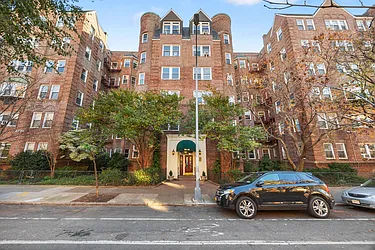
Manhattan Homes Under $1M on StreetEasy Article continues below






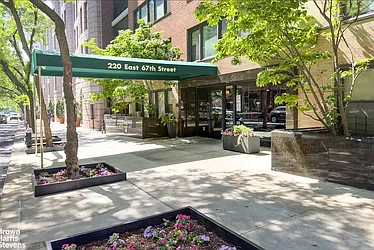

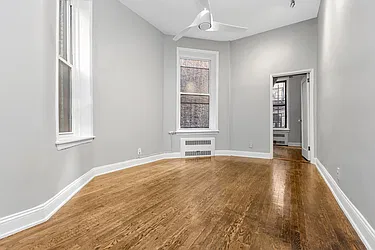



The fall market in NYC: What can buyers expect?
“Fall is a great time to be in New York,” says Provasnik. As the streets become a leaf-peeper’s fantasy, some owners who couldn’t sell their home over the summer decide to relist. Translation: you may find more urgency from sellers, who want to get the deal done before the year ends — making fall a great time to buy in NYC.
According to our data, sellers are more likely to become “highly motivated” and reduce asking prices in October (perhaps getting spooked, literally). Plus, you’ll see less competition as fewer buyers are likely to be pounding the pavement — which can give you more bargaining power. “Winter is coming,” Provasnik says. In short: the fall market is one in which smart buyers can negotiate, be selective, and enjoy less frenzied competition before the snow starts to swirl.

Prepare to act fast
It may not need to be said in a city that prides itself on speed, but we’re saying it anyway: in fall, when the calendar starts ticking toward December, it’s important to move quickly. The holidays can cause delays in the buying process — especially with co-ops — so you’ll want to make sure you’re prepared and ready to act fast.
A good buyer’s agent can help you identify all the things you’ll need, from tax returns to proof of assets to pre-approval letters from mortgage lenders. “We know the whole cycle,” says Provasnik. “And from start to finish, we’re always anticipating the next step to make everything smooth.” With all these things in place, when the right home comes along, you can push the deal forward quickly and seamlessly, before the holiday lag kicks in.

Know your must-haves
Desperate for a flickering fireplace or proximity to your favorite cruffin source? Refining your “deal-breaker” criteria will help you narrow down what may (or may not) be abundant autumnal choices. Just remember to stay open to feedback from your buyer’s agent, who’s likely had boots on these hallowed grounds for years.
Having toured and done deals in so many buildings around the city, Provasnik knows more than what you’re seeing at face value in a listing. A listing in a certain building may not appeal to you, but he may have insider intel from his own experience: “If you get on the ninth floor of that building and above, that’s a great apartment,” for example. That expert perspective can save you hours — and heartbreak. “It’s that other set of eyes and ears, and having seen so many buildings, it’s a time saver. It makes a difference.”
Plus, experienced buyer’s agents like Provasnik have robust networks and shared information to tap into. “When you’re working with a buyer’s agent, you’re working with a buyer’s brokerage, because I guarantee all of us, what we do every day is talk about what our buyers are looking for.” They can also help with intel on the building’s financials and inner workings, like minutes from board meetings, reserve fund status, upcoming assessments, lawsuits, and high arrears among other owners. Water cooler chitchat may just land you that coveted corner co-op overlooking Lincoln Center you can’t live without.
Brooklyn Homes Under $1M on StreetEasy Article continues below



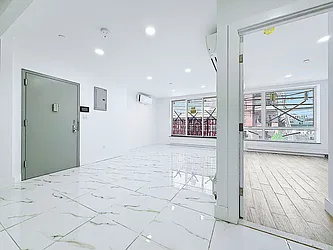


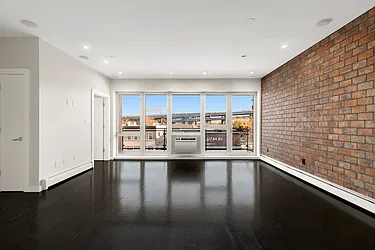
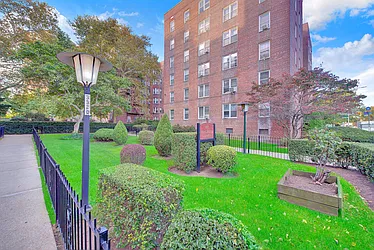
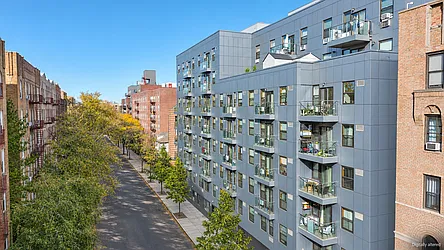
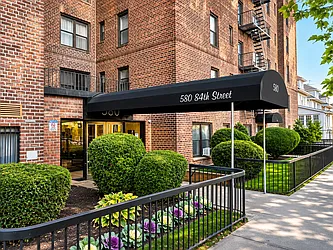


Understand what you’re actually buying
Your approach to the fall buying season in NYC largely depends on the type of home you’re thinking of buying. If you’re looking at a co-op, condo, or townhouse, understand the differences and how they affect the buying process — and how quickly you should move.
When buying a co-op, you’re actually purchasing shares in a cooperative (hence “co-op”) that owns the building. Condos are true real estate, and buying one means you own the unit outright. Co-ops make up the majority of NYC apartments, and are generally cheaper per square foot than condos — but they have stricter financial requirements, and necessitate deep financial disclosure (tax returns, bank statements, assets, post-closing liquidity). They also tend to have stricter rules around subletting and pied-à-terres, and require a formal interview with the board to assess your fit for the building. Condos are usually more expensive than co-ops, but they allow more flexibility on these matters, and the approval process and ownership structure is generally simpler. Buying a townhouse typically means you’re buying the whole structure, which gives you more privacy, space, and control, but also more responsibility for maintenance, repairs, insurance, and significant building expenses.
It’s important to understand these differences any time of year, but it should also factor into your timeline, which brings us to the next crucial tip.

Make your move by winter
In NYC, the clock between “offer accepted” and “move-in day” is not particularly short, given typical closing timelines and occasional hiccups like financing delays or inspection issues. For co-ops, the closing process can take longer this time of year, as you’re working around the board’s holiday schedule. It’s a good idea to get in before the holiday rush, if you can.
If your goal is to be moved in and cozy on the couch by early winter, you should aim to have your offer accepted by mid-to-late fall to give some buffer time for any surprises. Spilling into January isn’t ideal, as snowy moving days, icy sidewalks, and holiday schedules can make coordinating movers a logistical drag. So get in while the leaves are still crisp, not frozen over.
Be financially prepared
Financial preparedness to buy isn’t just about your ability to afford the home. You should also know what to expect, so you can avoid surprises and hidden costs at the closing table. Again, this varies depending on the type of home you’re buying.
Co-ops generally require a larger down payment — usually 20%, but sometimes up to 50% or even more, whereas condo down payments can be as low as 10–15%. Co-ops also have maintenance fees, or monthly costs that cover the building’s operating expenses: maintenance, paying the staff, the building’s underlying mortgage, amenity upkeep, insurance, etc. Maintenance fees also cover property taxes, and your unit’s share of the taxes are prorated. The condo equivalent are called common charges, which cover similar costs but don’t include taxes, which condo owners pay directly to the city. Co-op buyers have to pay board-specific costs, too, like application fees and possibly a move-in fee.
Another major difference is closing costs: additional expenses like taxes, fees, and attorney costs (essential in NYC) that buyers pay when closing on a home. They’re usually higher for condos, making up 3–6% of the purchase price; for co-ops, you’re looking at 2–4%. That’s because condos require extra costs like a mortgage recording tax (1.8–1.925% of mortgage amount) and title insurance. Any property type in NYC is subject to the mansion tax, which applies when a home is sold for $1 million or more, and ranges from 1–3.9% depending on the purchase price (don’t let that spook you too much; the upper range is for homes of $10+ million). Lastly, co-ops tend to require a certain amount of post-closing liquidity, aka liquid assets you have left in the bank after closing, to cover a number of months (or years) of housing expenses.
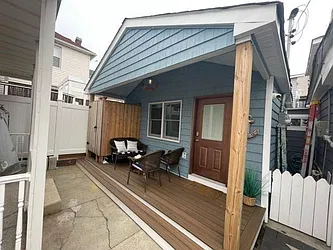
Queens Homes Under $800K on StreetEasy Article continues below
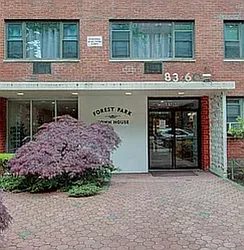







Negotiate a fall discount
Sellers whose homes have sat on the market through summer may be more open to price cuts, concessions, or flexible terms. “We can be very savvy, let’s say, about what a discount means,” Provasnik says. “We have a lot of options.” Whether you’re seeking a price adjustment or closing cost credits, there’s more than one way to bob for apples — and a skilled buyer’s agent will know how to help you make offers that sellers can’t resist.
Turn over a new leaf this fall — with a pro by your side
Buying a home in NYC during fall requires a mix of readiness, agility, and strategy. A buyer’s agent can serve as your market analyst, negotiator, operations coordinator, and emotional support. They’ll help you keep your eyes on the prize while staring down co-op board deadlines, holiday slowdowns, and unexpected surprises.
Want to get ahead of the fall rush with someone in your corner? Reach out to the StreetEasy Concierge and we’ll connect you with a buyer’s agent who knows this city — and the fall market — inside and out.
🍂 Get ready for fall home-shopping season. Our complimentary licensed Concierge will match you with a top buyer’s agent.
StreetEasy is an assumed name of Zillow, Inc. which has a real estate brokerage license in all 50 states and D.C. See real estate licenses. StreetEasy Concierge team members are real estate licensees, however they are not your agents or providing real estate brokerage services on your behalf. StreetEasy does not intend to interfere with any agency agreement you may have with a real estate professional or solicit your business if you are already under contract to purchase or sell property.