Key takeaways:
- Set a realistic budget that accounts for not just the purchase price, but also your assets, debt, and co-op requirements for post-closing liquidity and debt-to-income ratio.
- Plan for the full costs of ownership, including mortgage payments, maintenance fees or common charges, property taxes, closing costs, moving, and a post-purchase cushion.
- Know the financial tradeoffs: co-ops often require larger down payments and stricter financial review, while condos can offer more flexibility but may cost more upfront and at closing.
- Get mortgage pre-approval before you begin seriously shopping, and consider a financing contingency to help protect your deposit if financing falls through.
- Build a trusted team of an experienced buyer’s agent, mortgage lender, and attorney to navigate NYC’s changing rules, costs, and buying process.
Does the rapid approach of fall make you want to find a permanent home to nest in? We don’t blame you! But buying a home in NYC is not an endeavor to take lightly, especially when it comes to finances. There are many factors to consider and it’s easy to feel daunted, especially if you’re a first-time home buyer. Luckily for you, StreetEasy has your back this season (and year-round). Here are our top tips for financing a home this fall, with insights from local NYC real estate pros.
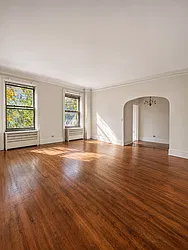
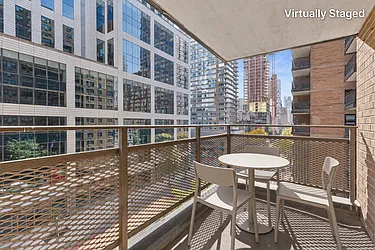
Manhattan Homes Under $1M on StreetEasy Article continues below










Determine your true budget (not just maximum price)
First thing’s first: to secure your dream digs, you need to figure out your true budget. Having this number in mind helps you narrow down and streamline your search, and manage expectations around what types of homes you can truly afford.
But your budget shouldn’t be determined solely by listing prices. “Don’t just look at the purchase price,” advises Khali Smith, licensed real estate salesperson at Corcoran and StreetEasy Expert. He explains that in NYC, “most co-ops require two years of post-closing liquidity and a less than 30% debt-to-income ratio, which can really shape what you can afford.” As such, it’s important to consider the holistic reality of all your finances and assets when coming up with your target budget.
Get clarity on all costs
Assessing your liquid cash, factoring in debt, and saving for a down payment are just the beginning. As Smith puts it, “One of the biggest surprises for new buyers tends to be the fees.” He’s referring to monthly fees, closing costs, and other post-purchase expenses.
Monthly fees or “monthlies” are the payments you’ll be responsible for making every month you live in your new home. These of course include your monthly mortgage payment, but also maintenance fees for co-ops, common charges for condos, and property taxes.

It’s also important to diligently save up for closing costs, because as Smith warns, “attorney fees, title insurance, and transfer taxes add up quickly.” These fees can sometimes total up to 10% of the purchase price.
And then there are the other expenses you may overlook. Smith recommends setting aside a good chunk of change to help with “moving costs, small renovations, or simply having a cushion so you’re not stretched too thin once you’re in your new home.”
Understand co-op vs. condo financing (they’re not the same!)
Co-op or condo? In NYC, it’s an age-old question. Beyond offering different types of buildings, amenities, ownership, and approval processes, there are significant financial differences to be aware of when choosing between these two types of homes.
As Smith points out, “Co-ops usually require a bigger down payment of 20-25% or more.” Co-op maintenance fees tend to be higher than condo common charges “since they bundle in property taxes,” and co-ops charge extra fees for the application and board package.
Speaking of co-op boards, it’s important to remember how much financial scrutiny they exercise in the approval process. “Boards can be strict about post-closing liquidity,” warns Smith, making it all the more crucial to be realistic about your true budget.
When it comes to condos, potential home buyers will typically experience more financial flexibility in the form of “lower down payments, separate common charges and property taxes, and more freedom in terms of ownership.” So what’s the catch? “Condos often come with a higher purchase price compared to co-ops, and higher closing costs thanks to the mortgage recording tax,” Smith says.
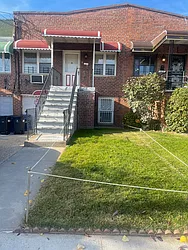
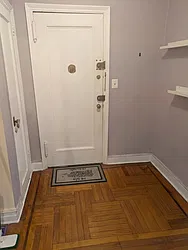
Brooklyn Homes Under $1M on StreetEasy Article continues below




Financing contingencies and pre-approval basics
Taking all the above costs into account, you may be balking at the amount of money needed to secure your very own piece of NYC real estate. We get it! Purchasing a home is a big deal (no pun intended). Luckily, there are a few things you can do to ensure your money is safe and secure throughout the process.
For example, Smith encourages home buyers to take advantage of mortgage contingencies, which are clauses written into a real estate transaction that allows buyers to cancel the contract should their financing fall through. He explains that contingencies act as “a safety net, protecting you so you don’t lose your deposit.”
Another helpful tool to take advantage of is securing an official mortgage pre-approval. It involves some paperwork, but getting pre-approved for a specific mortgage amount “shows sellers you’re serious and gives you clarity on your budget.” It can also help expedite the buying process once your perfect home hits the market. After all, as Smith points out, “in NYC, speed can make all the difference.”

Never DIY the buy
There’s no getting around it: the financial realities of buying a home are complicated and intense, especially for first-time buyers. If you’re feeling overwhelmed, Smith has some simple advice.
“Don’t rush. Take the time to understand your finances and lean on your team for guidance,” he advises. And for seasoned buyers, don’t make the mistake of thinking yesterday’s real estate market applies to your present circumstances. As Smith reminds: “Rules and requirements evolve, and NYC is constantly changing.”
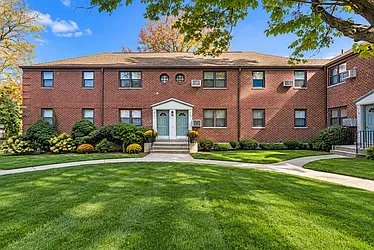
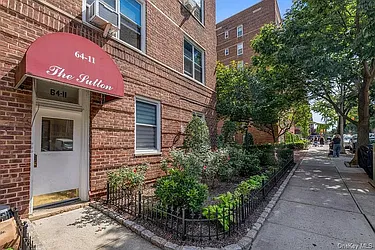
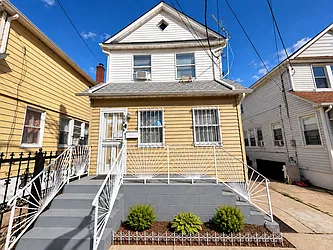
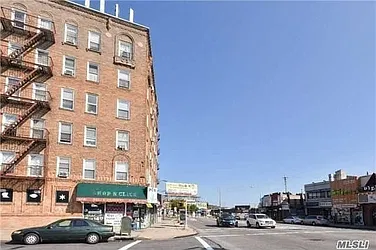
Queens Homes Under $800K on StreetEasy Article continues below





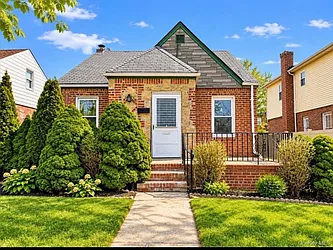
And there’s no shame in hiring professional help — in fact, we highly recommend it, as working with an experienced agent can significantly ease the stress associated with the home-buying process. As Smith puts it, “a good agent can break down each financial step, flag potential surprises before they happen, and connect you with trusted lenders and attorneys.” You don’t have to go it alone!
Visit our resource hub for buyers for more on how to unlock NYC with a buyer’s agent at your side. Our team of StreetEasy Experts includes plenty of buyer’s agents who are valuable sources of hyper-local knowledge, and reliable shoulders to lean on throughout the buying process. Contact the StreetEasy Concierge to be matched with an Expert agent whose experience and skill set matches your particular needs.
Get in touch with our complimentary, licensed StreetEasy Concierge to be matched with a top buyer’s agent.
StreetEasy is an assumed name of Zillow, Inc. which has a real estate brokerage license in all 50 states and D.C. See real estate licenses. StreetEasy Concierge team members are real estate licensees, however they are not your agents or providing real estate brokerage services on your behalf. StreetEasy does not intend to interfere with any agency agreement you may have with a real estate professional or solicit your business if you are already under contract to purchase or sell property.