

Buying Your First Home in NYC
Buying a home in NYC is complicated, but rewarding. If you're a first-time home buyer, or even a returning buyer who needs a refresher, this guide will provide you with tips and strategies for your home-buying journey.
A few of the topics covered in this guide include: how to find your dream home, how to find a buyer's agent, how to prepare for a co-op board interview (and what even is a co-op vs. a condo?), information about home inspections, home loans and mortgages, and much more! We hope these articles will help you make educated decisions and feel a little more confident as you begin this journey — whether you're a first-time home buyer or a real estate veteran. Happy home shopping!Key takeaways:
- Ownership structure is fundamentally different: Buying a co-op means purchasing shares in a cooperative that owns the building, while buying a condo means owning the unit outright.
- Co-ops are more common: NYC has roughly twice as many co-ops as condos, but home shoppers searching on StreetEasy will find a more even split between the two.
- Co-ops have stricter approval and financial requirements: Co-op buyers face detailed board applications, interviews, financial requirements, and typically at least 20% down, whereas condo approval is simpler and may allow as little as 10% down.
- Condos are newer with more amenities: Condos are more often new construction buildings with modern amenities, while co-ops tend to be older.
- Condos offer more flexibility: Subletting, pied-à-terre use, and resale are usually easier in condos, while co-ops often impose tighter restrictions on renting and secondary residences.
- Condos typically cost more overall: Condos command higher purchase prices (about 10% more on average when accounting for square footage) and closing costs, while co-ops tend to have lower purchase prices but higher monthly costs and fees.
Co-op or condo? That is the question. So you’ve decided to take the plunge and — gasp! — bid farewell to renting forever. Or maybe you’re a seasoned buyer looking to purchase your next place. Either way, buying is a big decision. And in your search, you’ll notice most NYC homes fit into two major types of properties: co-ops and condos.
As you balance the pros and cons of each, you might wonder: why are condos more expensive than co-ops? And what is a co-op, exactly? Before you go crazy figuring it all out, read our comprehensive explainer on co-ops vs. condos in NYC.
Manhattan Homes Under $1M on StreetEasy Article continues below








What’s the difference between a co-op and a condo?
Co-ops are a unique part of the New York City real estate landscape. In fact, when you buy a co-op, you’re not buying real estate in the traditional sense. You’re purchasing shares of a cooperative, or “co-op,” and that co-op owns the building. Typically, the bigger your unit, the more shares in the co-op you own. You’ll get what’s called a proprietary lease, which lays out the relationship between the co-op and you, the shareholder.
A condo is a private residence in which you own the unit itself, making it true real estate. You also jointly own the common areas that make up the rest of the building, like the hallways, elevators, and any other shared spaces. You’ll receive a deed, which is a record of ownership.
“You have a little bit more control and a little bit more flexibility as an owner of a condo than when you purchase a co-op,” explains agent Steven Irizarry of SERHANT.
Price points, approval processes, down payments, owner restrictions, and financial requirements make up the rest of the key differences. But none of these differences mean that one is inherently “better” than the other — that’s for you to decide, based on your needs.
If you’re still confused, you’re not alone. Watch our co-op vs. condo explainer from StreetEasy Home School, our educational video series. And for even more guidance, reach out to our Concierge who can answer all of your NYC buying questions and match you with a StreetEasy Expert buyer’s agent.

There are more co-ops than condos in NYC
The Big Apple contains far more co-ops than condos. In fact, city estimates suggest there are twice as many co-ops than condos in NYC. The discrepancy can largely be attributed to the so-called co-op conversion boom of the 1980s, when developers converted an enormous number of rental buildings into co-ops.
Among StreetEasy listings, however, you’ll likely notice a more even split between co-ops and condos at a given time. So while co-ops may be more abundant than condos in the city, condos are just as easy to find when home shopping on the StreetEasy site.
Condos tend to be newer developments with more amenities
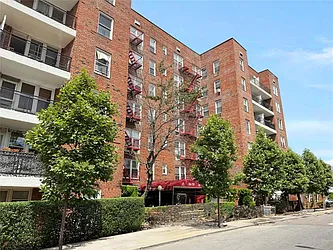
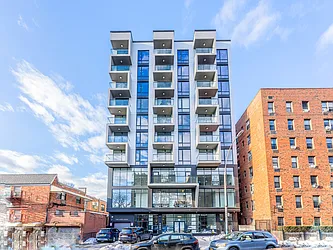
Another difference to note: condos are more likely to be newer construction, while co-ops tend to be older, more established buildings. This is a plus for buyers who value modern homes with fancy features, while those who prefer more classic digs with prewar touches may be better suited for a co-op.
With new construction also comes newer, more abundant amenities — think fitness centers, rooftop lounges, swimming pools, coworking spaces, etc. As such, condos typically have more amenities than co-ops. Some even have extravagant offerings like bowling alleys, private clubs, basketball courts, and more.

“The newer condominiums built in the past 10 years are focused on amenities,” says Billick. “The newer the building, the more extensive.”
Co-ops can certainly have the same “white glove” touch as condos — after all, Park Avenue is known for some of the most exclusive and luxurious co-op buildings in all of New York City. But they generally lag behind newer condo buildings on amenities. Billick explains that many co-ops, space permitting, have adapted to changing demands by adding amenities like gyms, private storage units, and roof decks. But many simply weren’t built with amenities in mind, so adding them is near impossible due to space restrictions.
Approval process for co-ops vs. condos
Let’s say you find the perfect apartment, figure out your finances, and decide to make an offer. If that dream home is a co-op, you might need to slow down. That’s because co-ops impose greater restrictions on buying, and potential purchasers have to be approved by the co-op board — a process that can be notoriously challenging.
Prospective buyers must submit an extensive application and be interviewed by the co-op board, which can reject a buyer for any reason. Financial requirements are strict and the board will carefully assess the buyer’s finances, from debts to liquid cash in the bank. The process has been historically criticized for its lack of transparency and can take several weeks, or in some cases several months. Co-op boards can also determine the amount of financing a buyer can use in their purchase.
Condos have a much more simple approval process. When you submit an application for purchase, the condo board typically has the right to purchase the unit from the seller at the same price instead of selling it to you. But in most instances, the board will waive this right and approve your purchase. All in all, it’s a lot simpler than a co-op transaction.
Brooklyn Homes Under $1M on StreetEasy Article continues below








Down payment requirements
Every building has different requirements, but a good rule of thumb is that co-ops generally require a down payment of at least 20%, and expect you to have a significant chunk of money left over after that. Some co-ops require more than 20%, often to weed out purchasers below a certain buying power. Though it’s rare, Billick notes that “there are certain buildings that don’t allow any financing.”
Condos usually require a 20% down payment, but it’s less of an industry standard than in the co-op market. In some cases, you can find condo buildings that accept as little as 10% down.
Beyond the actual cash you need to put down, you’ll also need to consider your debt-to-income ratio, or DTI, which is calculated when you apply for a loan. To get this figure, divide your monthly debt payments by your monthly gross income. Many co-ops boards won’t accept applicants past a certain threshold, with the average NYC requirement hovering around 28%.
Learn more about how much to put down on an NYC home.
Differences in flexibility
Co-ops generally have more restrictions not just for buying, but for owning. For starters, many have strict rules around subletting, including minimum amounts of time an owner must live in an apartment before they can rent out the unit. Some co-ops don’t allow subletting, period. When permitted, there are usually limits on how long you can rent out the apartment within a certain time frame.
Co-ops also tend to prohibit using the unit as a pied-à-terre, or secondary residence. Some do allow them, or require board approval. Why? Co-ops prefer to have residents who live in the building full-time and are active members of the community. The listing will usually note whether pied-à-terres are allowed; if you’re unsure, just ask your agent.

Condos, on the other hand, typically have more flexible policies that allow things like subletting and pied-à-terre usage. Selling a condo is generally easier, too, since potential buyers don’t have to go through co-op board approval.
“There’s more flexibility in a condominium,” explains broker Joan Billick of Douglas Elliman. Usually, condos have one-year minimum rental policies, but many have more flexible policies in place. Sometimes, investors purchase condos and quickly turn them around to put on the market as rentals.
Which is more expensive?
As you peruse your options, you’ll probably notice that condos tend to command higher prices than co-ops — even when they’re located on the very same block.
So why are condos more expensive than co-ops? It’s a combination of factors. Remember that condos are true real estate while co-ops are shares of a building. As mentioned, condos are generally newer construction and have more amenities, which comes with a higher price tag. They can be attractive to investors and overseas buyers, many of whom come with deep pockets. The added flexibility of condos also makes them more expensive, as does their relative scarcity compared to co-ops.
Pro tip: You can use the StreetEasy Data Dashboard and filter by Property Type to find the latest median asking prices for co-ops and condos in NYC.
All of this contributes to condos costing more than co-ops, but the price differential might not be as stark as the numbers suggest — on average, most condos are larger than most co-ops with the same bedroom count. So when you factor in that additional square footage, condos cost only about 10% more than their co-op counterparts.
That said, maintenance fees (known as common charges for condos) are another cost to be aware of as you decide between property types — and they tend to be higher in co-ops. In both condos and co-ops, these fees cover building upkeep, some utilities, and building staff salaries. But co-op maintenance fees also have to cover the building’s insurance, underlying mortgage, property taxes, and any other fees incurred by the cooperative, making them cost more. Condo owners pay property taxes separately; they’re not included in the monthly common charges.
Queens Homes Under $800K on StreetEasy Article continues below




What about closing costs?
If you’re purchasing a condo, you should expect higher closing costs than those for buying a co-op. Since a co-op is building shares while a condo is true real estate, there are several additional fees to consider, including title insurance and mortgage recording taxes.
Both condo and co-op buyers will have to pay attorney fees, and a mansion tax if the apartment is purchased for one million dollars or more. As a rule of thumb, be prepared to spend 4-6% of the purchase price on closing costs, with condos usually approaching the higher end of that range.
Co-op vs. condo comparison chart
To recap, here’s a handy comparison chart that highlights the key differences between co-ops and condos.
| Co-op | Condo | |
|---|---|---|
| Ownership structure | Residents own shares in a cooperative (co-op), which owns the building | Residents own their units outright |
| Supply | Constitute up to three-quarters of NYC’s residential real estate | Less abundant than co-ops |
| Age of building | Tend to be older buildings | More likely to be new construction |
| Amenities | Fewer amenities | More amenities |
| Approval process | Lengthy and extensive; strict financial requirements; involves co-op board interview and approval | Simpler and quicker |
| Down payment | At least 20%, sometimes more | May require as little as 10% down |
| Flexibility | Less flexibility for subletting and pied-à-terre usage; selling requires new buyer approval by the board | More flexibility for subletting, pied-à-terre use, and selling |
| Price | Less expensive | More expensive |
| Closing costs | Lower closing costs | Higher closing costs |
Co-op or condo: Which is best for you?
So, which is better: co-op or condo? It ultimately comes down to your personal preferences and needs. You’ll need to think about what you’re looking for and what’s most important to you, and take all of the aforementioned differences into consideration.
Co-ops are seen as a common entry point for first-time buyers. If your top priority is a lower price point and you can afford the higher down payment, a co-op might be the right choice for you. But if you want a newer building with more amenities; increased flexibility for renting, selling, and pied-à-terre use; or just a simpler buying process; you may want to consider a condo.
Need more help understanding or deciding? Contact the StreetEasy Concierge and get matched with a StreetEasy Expert buyer’s agent, who can help you determine which type of property is right for you.
Contact our complimentary StreetEasy Concierge to learn more about the NYC buying process and get connected with an Expert buyer’s agent.
StreetEasy is an assumed name of Zillow, Inc. which has a real estate brokerage license in all 50 states and D.C. See real estate licenses. StreetEasy Concierge team members are real estate licensees, however they are not your agents or providing real estate brokerage services on your behalf. StreetEasy does not intend to interfere with any agency agreement you may have with a real estate professional or solicit your business if you are already under contract to purchase or sell property.
This content is not intended to provide legal, financial, or real estate advice. It is for information purposes only, and any links provided are for the users’ convenience. Please seek the services of a legal, accounting, or real estate professional before any real estate transaction.